Theopolis Logo

Writing

Explore our collection of theological essays, biblical studies, and reflections on faith and culture.

See all
vantil-teaching
Deuteronomy

Torah as Testimony (Part 2)

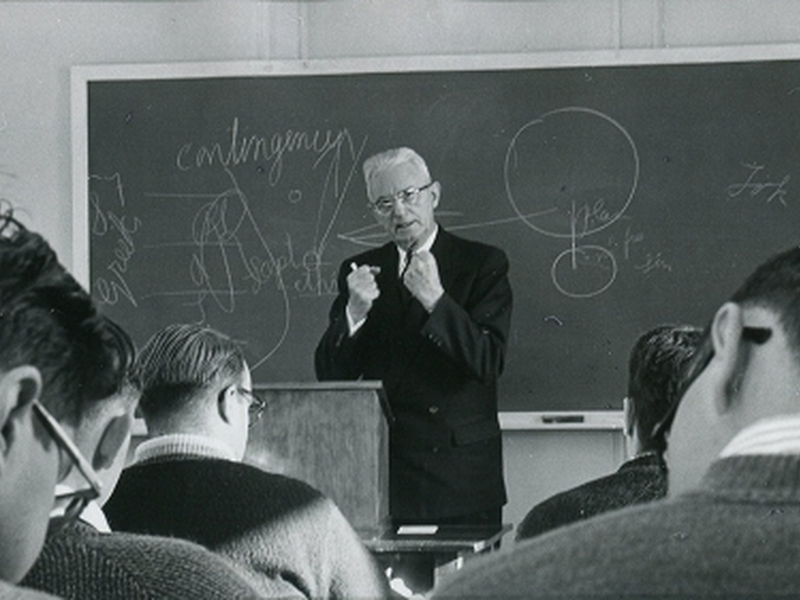
Cornelius Van Til offered a revolutionary exposition of the Christian worldview through the lens of Reformed theology. He argued and, I believe demonstrated, that Biblical metaphysics, epistemology, and ethics mutually presuppose and include one another. Every ethical statement of the Bible — commands about righteousness — presuppose the existence and…

by Ralph Allan SmithJune 21, 2022

tanner-mardis-xuxghzhibn4-unsplash-1-2
Deuteronomy

Torah as Testimony (Part 1)

In the introductory portion of Deuteronomy, Moses’ last sermons to the people of Israel — people that he regarded as his own beloved children — there is a statement that may seem paradoxical to a modern reader. It invites questions and maybe even creates problems in our understanding. Here are…

by Ralph Allan SmithJune 14, 2022
mtmoriahnv
Biblical Studies

The View from Gerar: Looking Back to Moriah (and Forward to Sinai)

In his discussion of the biblical type scene, Robert Alter speaks of the “patterns of repetition, symmetry, [and] contrast” which characterize the narratives of Scripture, patterns that give pleasure to the reader while also building up a web of meaningful connections between texts. 1 But if readers are to notice…

by Josh JensenJune 7, 2022
v4mkpbd70x7bkvc7mqvu
Genesis

Did Eve Ruin Female Ordination?

In 1 Timothy 2, Paul writes: “I do not permit a woman to teach or to have authority over a man, but to be in silence. For Adam was formed first, then Eve. And Adam was not deceived, but the woman being deceived, fell into transgression” (1 Timothy 2:12-14). This…

by Adam McIntoshMay 31, 2022
helena-lopes-rotyxo1m0wo-unsplash
Matthew

Warhorse Meek

Blessed are the meek: for they shall inherit the earth. Matthew 5:5 When the above verse is read during a Lord’s Day service, no doubt, every extrovert in the room thinks to himself, “Well, that rules out me.” After all, the meek folks in the room are the ones you…

by Garrett SoucyMay 24, 2022
nathan-dumlao-5bb_atdt4oa-unsplash-2
Biblical Studies

Earth and Fire

The flames of the altar tell a mysterious story beyond mere atonement. The altar was a place of union, glory, worship, love and forgiveness, laughter and tears, renewal and hope. The altar is where Israel would feast with God, sacrifice to God, worship God, confess, and receive forgiveness from God.…

by Kyle LammottMay 23, 2022

Showing page 43 of 309

See all
See all
Literature

Sympathy for Bertram

Coleridge, on the other hand, stood up for Bertram: “I cannot agree with the solemn abuse which the critics have poured out upon Bertram in All’s Well that ends Well . He was a young nobleman in feudal times, just bursting into manhood, with all the feelings of pride of…

February 6, 2008
Literature

All’s Well?

Samuel Johnson said of Bertram in Shakespeare’s All’s Well that Ends Well : “I cannot reconcile my heart to Bertram, a man noble without generosity, and young without truth, who marries Helena as a coward and leaves her as a profligate; when she is dead by his unkindness, sneaks home…

February 6, 2008
Literature

Shakespeare the Christian

Belated help for a friend: Pastor Ralph Smith of the Mitaka Evangelical Church in Tokyo has produced an course entitled “Shakespeare the Christian.” The lectures cover Shakespeare’s debts to Christianity and his use of the Bible, and then analyze 10 of the plays in detail. Ralph has done his homework,…

February 6, 2008

Universal choir

Augustine on Psalm 149: “Chorus Christi jam totus mundus est.” Christ’s choir is now the whole world.

February 5, 2008
Theology

Augustine, postmodern cynic

Behind Varro’s classification of Roman religion into mythical, natural, and civic, Augustine discerns an interest, and a political one. Varro speaks harshly about the mythic or fabulous religions, for violating the dignity of immortal gods. Yet, the classification system serves to protect civic religion from similar condemnation. On Augustine’s reading,…

February 5, 2008
Politics

Musical city

Augustine quotes Cicero saying, “quae harmonia a musicis dicitur in cantu, eam esse in civitate concordiam.” That is, somewhat loosely, “what musicians call harmony in singing is concord in the city.”

February 5, 2008

Showing page 1572 of 2212

Browse by Category

In Medias Res

Your weekly digest for all things Theopolis.

Donate

Theopolis is nearly 100% donor-supported. Consider joining us on our mission.