Theopolis Logo

Writing

Explore our collection of theological essays, biblical studies, and reflections on faith and culture.

See all
screenshot-2024-10-15-at-10-54-38-am
Romans

Robbing Temples

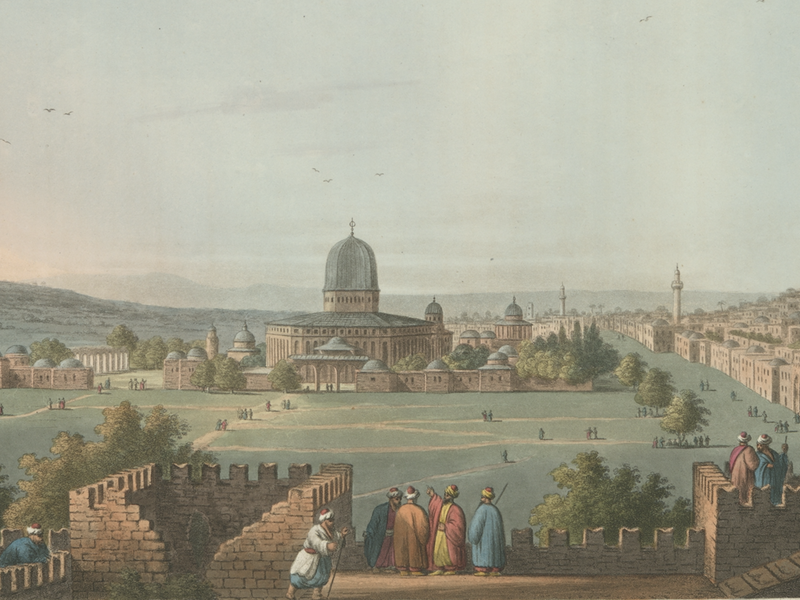
Paul writes to Jews, “You who abhor idols, do you rob temples?” (Romans 2:22b) The English translation “rob temples” makes readers think of pagan temples. There was only one Temple for Israel, so robbing more than one would indicate other temples are in view. And if the Jews wanted to…

by Mark HorneOctober 15, 2024
screenshot-2024-10-03-at-12-59-20-pm
Genesis

Regarding Abel’s Offering

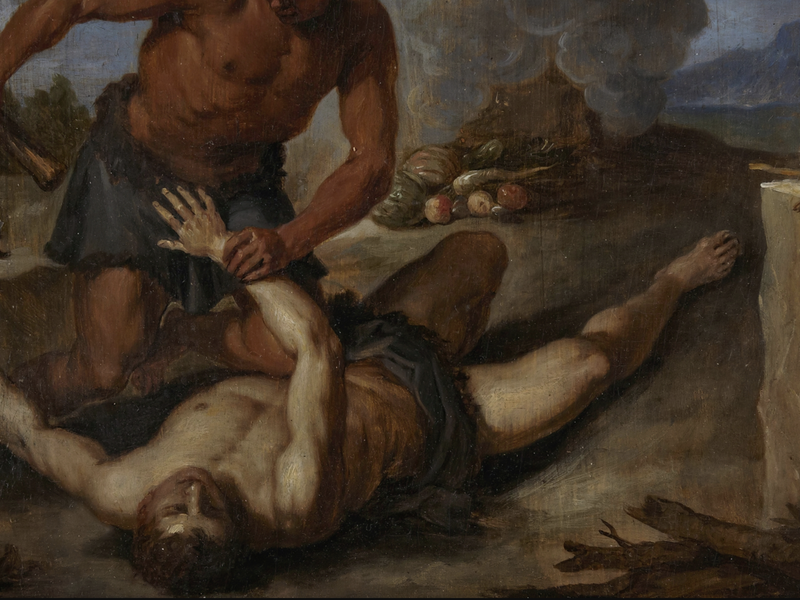
Two offerings Humanity’s first vocation involves guarding and serving the trees that emerge from the ground (Genesis 2:15). God provides these trees to humanity for food. A serpent appears and tempts the couple to eat from a special forbidden tree, the tree of the knowledge of good and evil. Humanity…

by Scott FairbanksOctober 3, 2024
jeremy-thomas-e0ahdsenmdg-unsplash
Hermeneutics

The Trinity and Cross in Creation

At the outset of the Torah (as Christians understand it), a triune God creates the heavens and earth over the course of a seven-day week. Why? What’s the connection between the three and the seven? Could a triune God have created the world over any period of time he chose?…

by James BejonOctober 1, 2024
dan-edwards-sid-lmfxsdu-unsplash
Deuteronomy

Axe Heads and Parapets: Legal Edge Cases?

How relevant to the modern reader are the flying axe head of Deuteronomy 19:5 and the roof parapet of Deuteronomy 22:8? Indeed, how relevant were they to the daily lives of Israelites thirty-five hundred years ago? Suppose that accidental falls from rooftops were exceedingly uncommon in ancient Israel, or that…

by Josh JensenSeptember 24, 2024
matt-cramblett-fbg4owazcd8-unsplash
Political Theology

The Church Builds the World

1 For most of my life, the standing of the American church as a source of national social and political order was measured by reports from the front of the so-called “culture wars.” 2 Memory brings to mind battles over feminism and the ERA, so-called gay rights, the breakdown of…

by Gary YoungSeptember 17, 2024
sixteen-miles-out-al48tflf4e8-unsplash
Matthew

That He would be called a Nazarene

But when Herod died, behold, an angel of the Lord appeared in a dream to Joseph in Egypt, saying, ‘Rise, take the child and his mother and go to the land of Israel…’ And he went and lived in a city called Nazareth, so that what was spoken by the…

by Lyndon JostSeptember 10, 2024

Showing page 17 of 309

See all
See all
Uncategorized

1 & 2 Kings

Uriah Y Kim reviews my Kings commentary in a recent issue of Reviews in Religion and Theology . He’s got some criticisms, but overall it’s a fair review. A couple of responses on specific points: 1) He thinks my contention that there is a “seventh-king” pattern is suspect; my counting…

October 22, 2007
History

Patronage

Richard Saller defines patronage by three features (summarized by Griffin): “(1) it involves the reciprocal exchange of goods and services; (2) that it is a personal relationship of some duration; (3) that it is asymmetrical, in the sense that the two parties are of unequal status and offer different kinds…

October 22, 2007

Gratitude in ancient thought

Griffin begins her essay: “The exchange of beneficia - gifts and services - was an important feature of Greek and Roman society at all periods. Its prominence was reflected in the number of philosophical works that analyzed the phenomenon. From the fourth century B.C. onwards, euergesia and charis became subjects…

October 22, 2007
History

Seneca and Roman Society

Miriam Griffin has a richly detailed discussion of Seneca’s de Beneficiis in a 2003 issue of The Journal of Roman Studies . The article discusses the appropriateness of “patronage system” as a description of Roman social relations, Seneca’s use of exaggeration for moral effect, the and similarities between Seneca and…

October 22, 2007
History

Pointy Greeks

Seneca found Chrysippus’s treatment of the Three Graces too subtle: He was a great man but “a Greek, whose intellect, too sharply pointed, is often bent and turned back upon itself; even when it seems to be in earnest it only pricks, but does not pierce.” Seneca himself found in…

October 22, 2007
Philosophy

Kant on Ingratitude

In his Lectures on Ethics, Kant says that ingratitude is among the vices that “are the essence of vileness and wickedness.” He adds, “It is inhuman to hate and persecute one from whom we have reaped a benefit, and if such conduct were the rule it would cause untold harm.…

October 22, 2007

Showing page 1617 of 2212

Browse by Category

In Medias Res

Your weekly digest for all things Theopolis.

Donate

Theopolis is nearly 100% donor-supported. Consider joining us on our mission.