Theopolis Logo

Writing

Explore our collection of theological essays, biblical studies, and reflections on faith and culture.

See all
trnava-university-beeyeib-am8-unsplash
Biblical Chronology

Meredith G. Kline Strikes Back, Part 2

In our first essay we looked at Kline’s flawed exegesis of Genesis 2:5 as it relates to Day 3 of creation. Now we turn to Kline’s new argument against a chronological reading of Genesis 1, as found, again, in "Space and Time in the Genesis Cosmogony," Perspectives on Science and…

by James B. JordanMarch 29, 1997
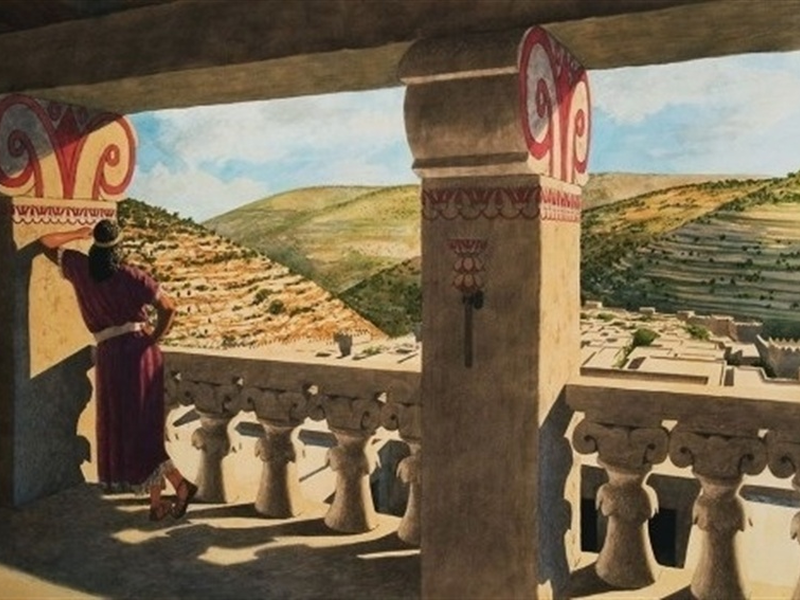
30211-bathsheba-800w-tn
Hermeneutics

Bathsheba: The Real Story

One of the advantages of paying very close attention to the details in the Bible, especially chronological and genealogical details, is that they can shed light on situations that don’t seem to make much sense apart from them. One such situation is that of Bathsheba. It appears that Bathsheba willingly…

by James B. JordanMarch 28, 1997
jonathan-cooper-ygxq7hfdjzq-unsplash
Church Calendar

Is the Church Year Biblical? | A Parking Lot Parable

Once upon a time, Jeff Meyers and Tony Rollins–old friends who had not seen each other for a few years–met in the parking lot of a neighborhood church. They were dropping off their pre-school children at the church for Mother’s Day Out. They were such conscientious and helpful fathers. As…

by Jeff MeyersMarch 20, 1997
annie-spratt-upxf6to3fea-unsplash
Daniel

The Allegory of Susanna

Years ago, when I was at the briefly-existing Geneva Divinity School, I taught a course in the Apocrypha. One thing that struck me at that time is that two of the stories are almost certainly religious allegories (as well as moral tales): Judith and Susanna. Since "Susanna" means "Lily," this…

by James B. JordanFebruary 28, 1997
serafima-lazarenko-_ivuwprfczi-unsplash
Biblical Horizons

A Blossom of Yahweh’s Field

Peter’s essay inspires me to write up some similar thoughts about the flower of the field. Rightly does Peter associate the almond with Yahweh’s garden, because the Garden of Eden is symbolically positioned as parallel to the Holy Place of the Tabernacle and Temple. To wit: Since Aaron’s rod blossomed…

by James B. JordanFebruary 28, 1997
trnava-university-beeyeib-am8-unsplash
Biblical Chronology

Meredith G. Kline Strikes Back, Part 1

We have had occasion to discuss the views of Meredith G. Kline previously in these newsletters, and now it is time to do so again. Kline teaches at Gordon-Conwell Theological Seminary and also at the Westminster Theological Seminaries (Philadelphia and San Diego). He is the author of some interesting insights…

by James B. JordanFebruary 28, 1997

Showing page 259 of 309

See all
See all

Hugeness

Jason Zengerle has an interesting piece in the TNR on evangelical conversions to Orthodoxy. At the end of the article, he quotes Jordan DeRenzo, who converted to Orthodoxy when her Baptist pastor, Wilbur Ellsworth, converted. She says: “Coming to the Orthodox Church means that I am in communion with that…

August 30, 2007
Theology

Faith and Reason

For centuries, Christians have posed the dilemma of Christian theology as a problem of faith v. reason. That’s a non-starter, a concession of defeat, for it assumes that there can be such a thing as a faith-free rationality. But there cannot be. What we have is not a conflict of…

August 30, 2007

Homoousios

We fondly look back at the Council of Nicea as a solution to the problem of Arianism, and see the homoousios as the key to this solution. Things are not nearly so tidy. Robert Letham neatly summarizes the problems associated with the term in his recent book on Orthodoxy: “As…

August 28, 2007

Liturgical footwear

Henry Chadwick notes, “Some Christians late in the fourth century, especially round Brescia, walked barefoot after the example of Moses at the burning bush or the prophet Isaiah who went barefoot for three years. Successive bishops deplored this, evidently in vain. Much ancient evidence records the axiom that for cultic…

August 28, 2007
History

Wordsworth and the Picturesque

According to a 1964 article in Modern Philology by John Nabholtz, Wordsworth intended his Guide to the Lakes (first published in 1810; fifth edition in 1835) as a corrective to picturesque writers like Gilpin. He intended his book to model how landscape writing should be done, and most critics have…

August 27, 2007
Literature

Pauline Wordsworth

In a 1993 article in the Review of English Studies , Colin Pedley points out the similarities between the cadences of this passage from “Tintern Abbey” and Paul’s triumphant conclusion to Romans 8: My dear, dear Sister! and this prayer I make, Knowing that Nature never did betray The heart…

August 27, 2007

Showing page 1639 of 2212

Browse by Category

In Medias Res

Your weekly digest for all things Theopolis.

Donate

Theopolis is nearly 100% donor-supported. Consider joining us on our mission.