Theopolis Logo

Writing

Explore our collection of theological essays, biblical studies, and reflections on faith and culture.

See all
hughes-auditorium-ryan-worthen-1024x576
American Culture

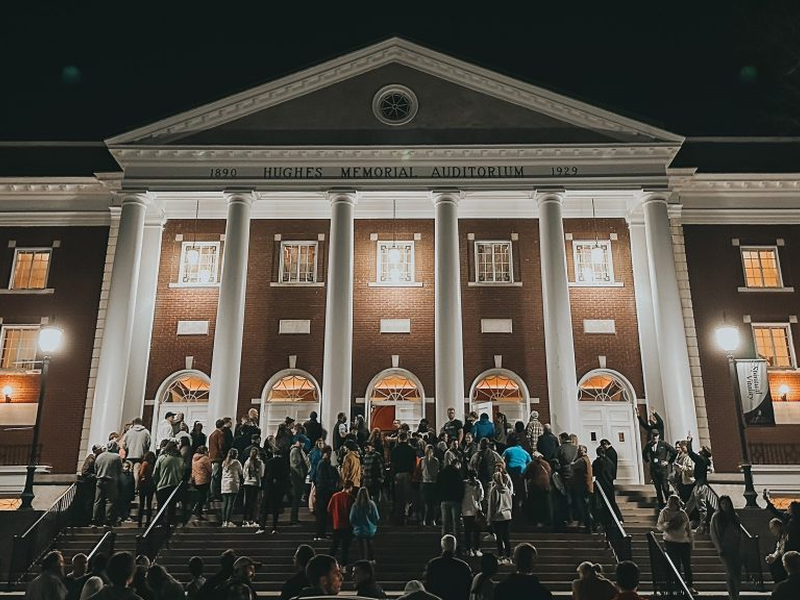
The Affections of Asbury

Over the past few days, quite the event has developed at Asbury University down in Wilmore, Kentucky. University students have appeared at the Hughes Auditorium to worship and sing praises to God, which has continued for over 90 hours at the time of this writing. There is recent reporting that…

by Charles JacobiFebruary 16, 2023
screen-shot-2023-02-14-at-1-15-58-pm
Apostle Paul

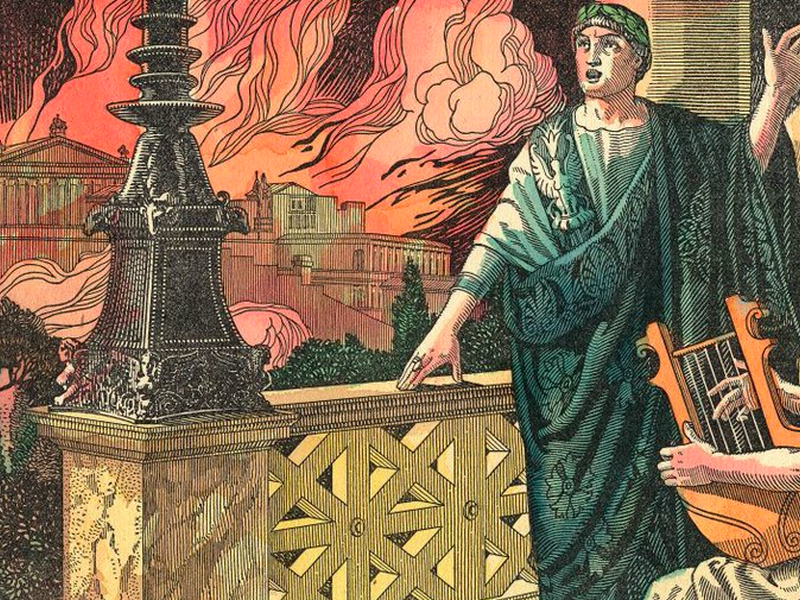
Paul and Nero

It is well-enough known that Nero was emperor from AD 54 when he was just 16 until his death as a young man of 30 in AD 68, just 14 years later. Paul ministered during most of those 14 years (we are not sure which year he died), accomplishing 3…

by Ralph Allan SmithFebruary 14, 2023
alexander-andrews-c91ls-jk7cw-unsplash
Apostle Paul

For Me to Live is Christ!

When the apostle Paul says, “For me to live is Christ!” (Philippians 1:21), we do not find it difficult to understand. Paul had been a faithful servant of Christ from the time that Christ confronted him on the road to Damascus (AD 30) and through Ananias told Paul that he…

by Ralph Allan SmithFebruary 9, 2023
vino-li-j4jjsfjkhpi-unsplash
Song of Songs

Bridal Song

I think there’s a layer to the Song of Songs which has been largely unexamined. The Song is about Christ and his church, Yahweh and Israel, the nature of the marriage covenant, and the marriage of the couple in the Song. But while the Song is “of Solomon” (or to…

by Daniel StanleyFebruary 8, 2023
screen-shot-2023-02-02-at-10-10-22-am
Biblical Studies

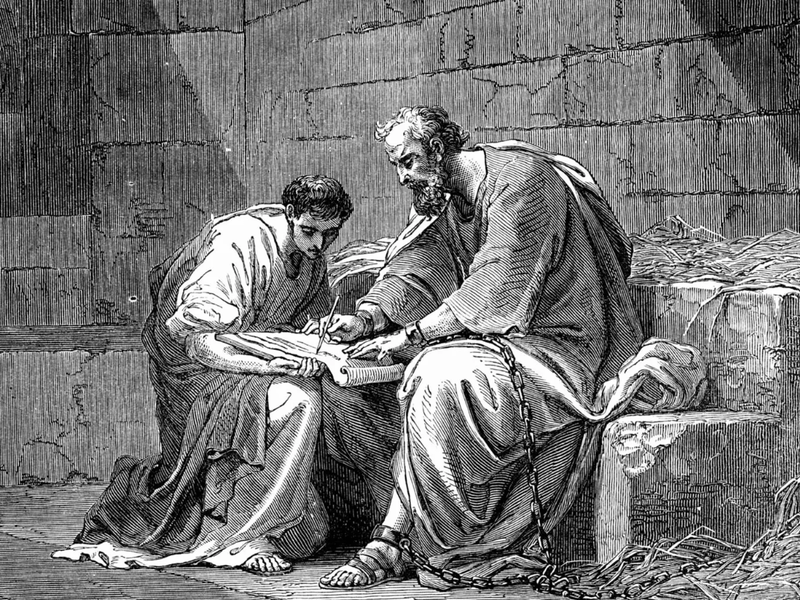
Paul and the Praetorian Guard

In Philippians 1:12-13, Paul informs his beloved brothers in Philippi that his Roman imprisonment — which one would naturally think hindered his ministry and the preaching of the Gospel — actually resulted in the surprising and wonderful progress of the Gospel. Of course, from our perspective 2000 years later and…

by Ralph Allan SmithFebruary 2, 2023
frank-mckenna-cseckew4tm0-unsplash
Biblical Theology

Abraham’s Seed: Heavens, Earth, and Sea Made New

In a recent post , I explored the threefold order of creation—heavens, earth, and sea—and suggested that in Genesis 1 God stamps heaven’s order, his own threefold nature, on the creation, giving earth a trinitarian shape. So what happens to the three-level architecture of creation after Genesis 1? We don’t…

by Josh JensenFebruary 1, 2023

Showing page 34 of 309

See all
See all
Philosophy

Mirrors, ancient and modern

In her recent book The Mirror of the Self , Shadi Bartsch argues that ancient notions of introspection and self-examination do not employ the image of the mirror in the way we do in post-Cartesian philosophy. In the words of the TLS reviewer, for the ancients “the mirror was the…

June 27, 2007

Enjoyment in God

Wilken summarizes Augustine’s social vision of perfection this way: “This peace for which the city of God yearns is a ‘perfectly ordered and harmonious fellowship in the enjoyment of God,’ a peace of ‘enjoying one another in God.’ Notice that Augustine’s language is social, not individualistic. He does not say,…

June 26, 2007

Ecclesiology of perfection

When Plato thought about politics, he thought about an ideal city (at least in the Republic ). Not Augustine. Augustine recognized that Plato had portrayed “what kind of city ought there to be.” But Augustine was after something different. He presented an actual human society, a city of God in…

June 26, 2007
Theology

Empty minds

Aquinas wrote: “If the teacher determines the question by appeal to authorities only, the student will be convinced that the thing is so, but will have acquired no knowledge or understanding, and he will go away with an empty mind.”

June 26, 2007

Cyril and the Bible

In his wonderful book, The Spirit of Early Christian Thought , Robert Louis Wilken criticizes the Formula of Chalcedon as “formulaic and abstract,” which described Jesus as “one person,” but “seemed to divide Christ into a divine nature that, for example, healed the sick and raised the dead and a…

June 26, 2007
History

No heavenly good

Alcinous, a pagan philosopher of the second century AD claimed that God is “eternal, ineffable, self-sufficient, without need . . . and perfect in every respect.” The only way to know such a God was to ascend from earthly things to higher realities: “First one contemplates the beauty found in…

June 26, 2007

Showing page 1663 of 2212

Browse by Category

In Medias Res

Your weekly digest for all things Theopolis.

Donate

Theopolis is nearly 100% donor-supported. Consider joining us on our mission.