Theopolis Logo

Writing

Explore our collection of theological essays, biblical studies, and reflections on faith and culture.

See all
e99a9334
Advent

Stretching Christmas

For many people Christmas comes on December 25 and is over December 26. The tree is taken down along with the lights and the other decorations, and everyone begins setting the house in order for the new year. No more Christmas hymns. No more celebrations (well, until New Year’s Eve).…

by Steve WilkinsDecember 24, 2016
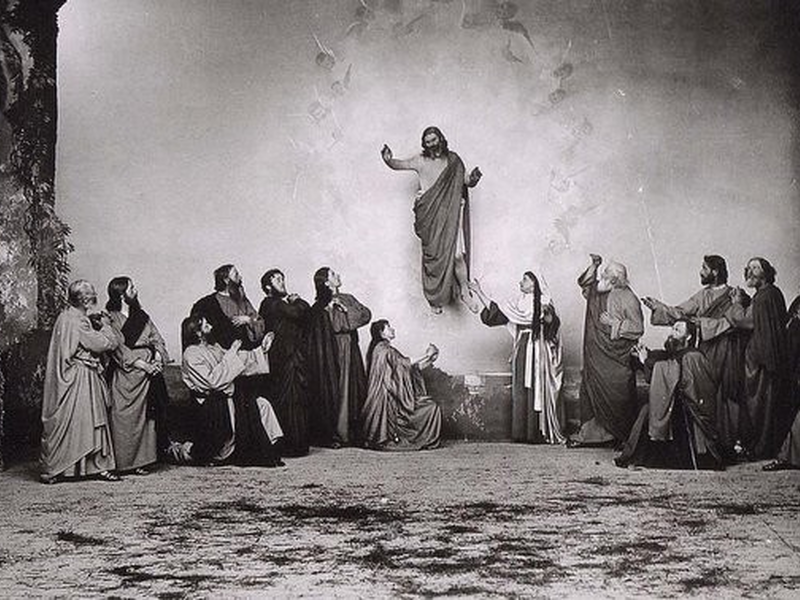
ascension
Advent

Ascension and Incarnation

The Ascension and the Incarnation should not be disconnected in our Christmas thinking or celebrations. As N.T. Wright notes, the ascension is "a central and vital feature without which all sorts of other things start to go demonstrably wrong. . . . where the ascension has been ignored or misunderstood,…

by Roy AtwoodDecember 23, 2016
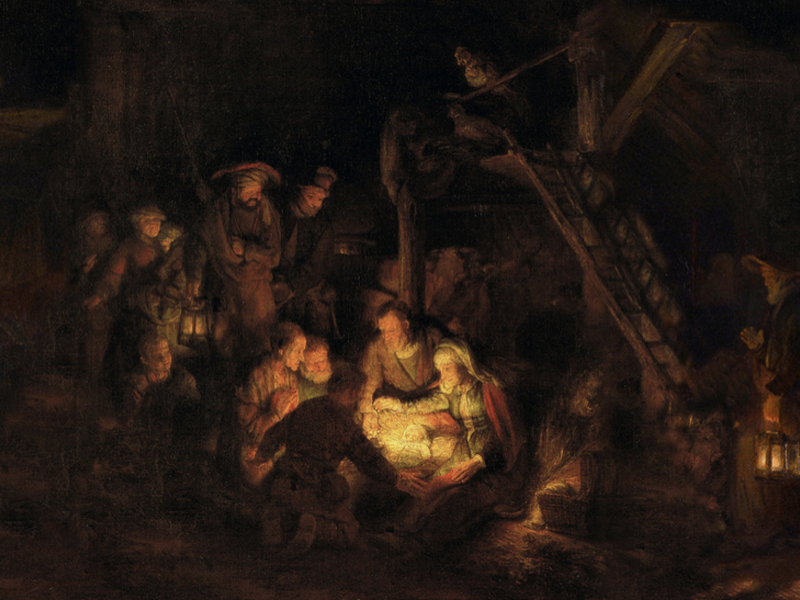
nativity-rembrandt
Advent

Christmas Light

“In the Word was life, and the life was the light of men. And the light shines in the darkness.” Thus John describes the incarnation of the Son. He comes as the living and life-giving light of the world. That’s good news. In the beginning, God spoke and light shone…

by Peter LeithartDecember 23, 2016
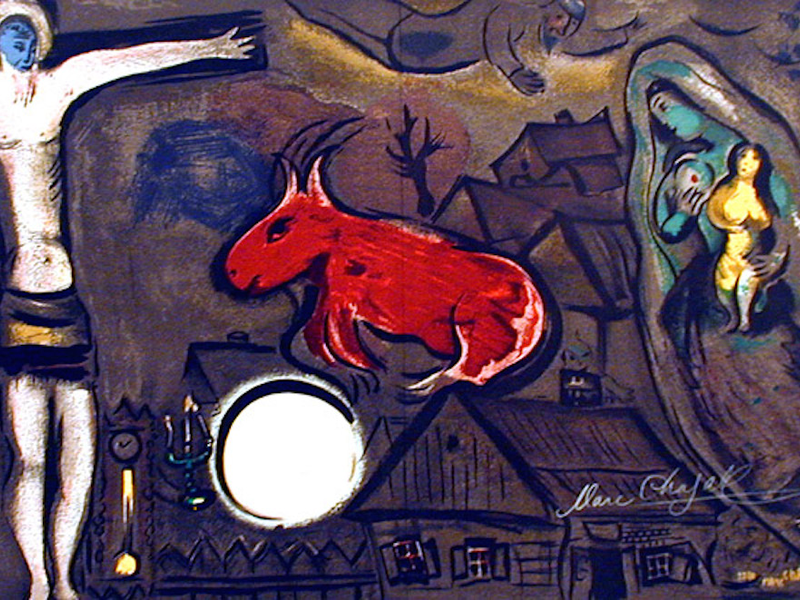
nativity-chagall
Advent

The Spirit of Christmas

Christmas is all about Jesus. The angels announce Jesus’ birth, shepherds and wise men come to see Jesus, Herod wants to kill Jesus. We occasionally think of the Father who sent the Son, but we keep returning to the Son made flesh in Bethlehem’s manger. Meanwhile, as always, the Spirit…

by Peter LeithartDecember 22, 2016
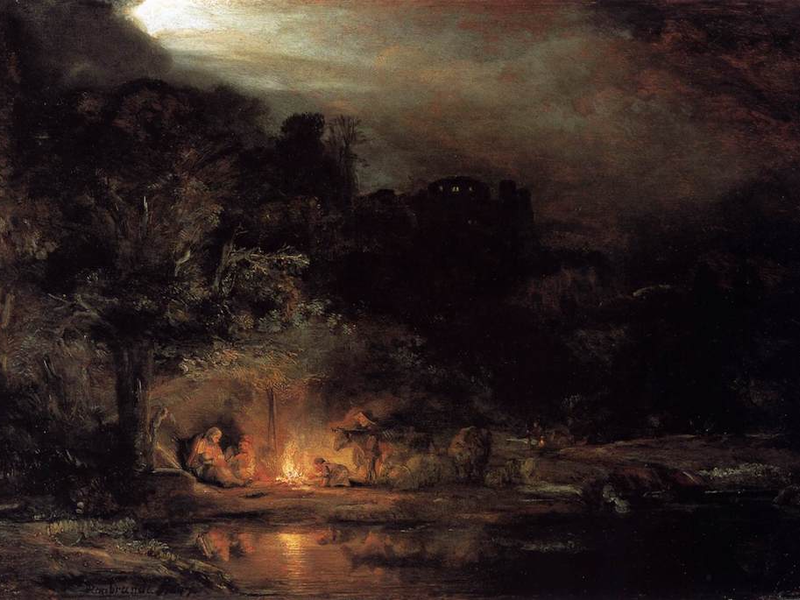
nativity
Advent

The Humility of God

Christmas is about many things, but one of the chief things revealed in the gospel of Christmas is the humility of God. We don't often think of humility as an attribute of God. If God is glorious and exalted, we think, He must be haughty and proud and self-centered. We…

by Peter LeithartDecember 21, 2016
screenshot-2025-12-15-at-8-35-45-am
Advent

Advent of Unity

John famously begins his Gospel with a piece of theology: “In the beginning was the Word, and the Word was with God, and the Word was God.” Matthew starts with a genealogy. John celebrates Advent with a hymn, Matthew with a list. For John, Jesus is the Word of creation…

by Peter LeithartDecember 20, 2016

Showing page 120 of 309

See all
See all
Literature

Cruel imagination

JS Lawry says that Emma insults Miss Bates in an effort to liven up a dull party: “Like a virtuoso, she takes care that her art be equal to its occasions – but no more. Later, when a party seems dull, she will be brought to insult Miss Bates precisely…

April 18, 2007
Uncategorized

Emma’s embarrassment

David Southward suggests in a fascinating study of embarrassment in Austen’s novels, Emma “seems more concerned about ‘being looked at’ than she is about ‘doing wrong.’” When she holds a dinner party for the Eltons, it’s intended to avoid being “exposed to odious suspicions” that she is full of “pitiful…

April 18, 2007
Literature

Rousseau and Austen

Rousseau is not the only source of sentimentality in novels, the literature of sensibility. There are English resources, such as the free prayer tradition, which made spontaneity the test of sincerity. But Rousseau is one of the sources of this stylistic strategy, and a source that Austen would likely have…

April 18, 2007
Literature

Emma’s paradise

Like Elizabeth Bennet, Emma Woodhouse’s desires for her man are awakened while exploring his property, Donwell Abbey with “all its appendages of prosperity and beauty, its rich pastures, spreading flocks, orchard in blossom, and light column of smoke ascending.” That this scene presents itself in Midsummer has been cause for…

April 17, 2007

Showing page 1692 of 2212

Browse by Category

In Medias Res

Your weekly digest for all things Theopolis.

Donate

Theopolis is nearly 100% donor-supported. Consider joining us on our mission.