Theopolis Logo

Writing

Explore our collection of theological essays, biblical studies, and reflections on faith and culture.

See all
308750rgsdl
Biblical Theology

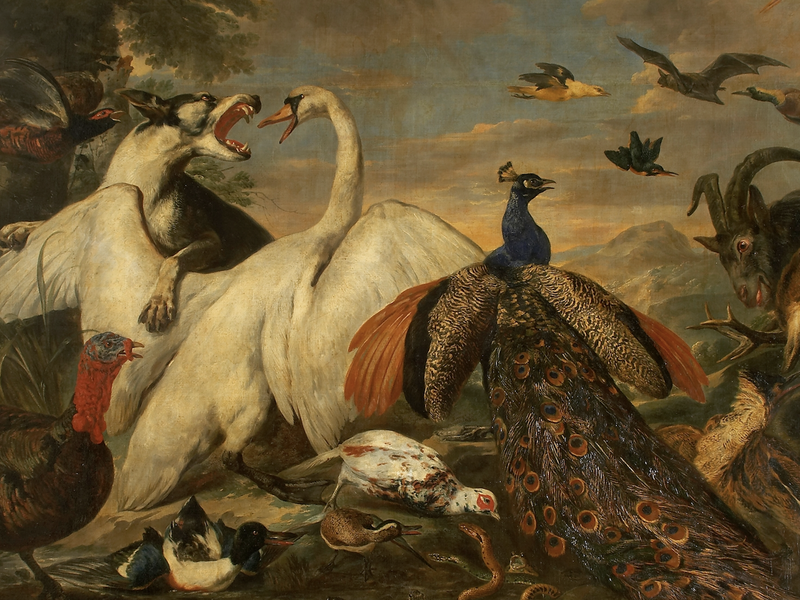
Biblical Bestiary and Covenant Creatures, Part 3: Reunion of Man and Beast in Christ

Abbreviated Introduction to the Series Scripture is absolutely dripping with animal metaphors. Animal traits, characteristics, and appearances are attributed to God, Man, Angels, Nations, Armies. Since animals are the lowest creature in the three-tiered hierarchy, they are useful to metaphorically focus on a single aspect of God (bold like a…

by Jonathan WhiteOctober 27, 2025
screenshot-2025-10-21-at-2-22-31-pm
Matthew

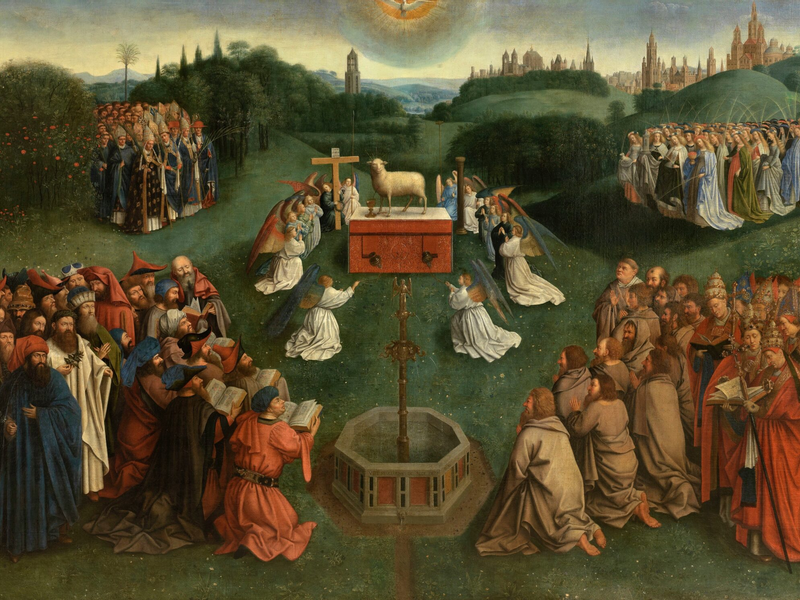
Authority that Heals: Unpacking Matthew 4:18 – 10:4

Many years ago, while perusing Janice Anderson’s revised doctoral dissertation, Matthew’s Narrative Web: Over, and Over, and Over again , I was impressed by her attention to literary structures of repetition within and across Matthew’s Gospel. 1 Her research, in part, nudged me closer toward my present conviction that Matthew…

by Jonathan SedlakOctober 21, 2025
screenshot-2025-10-20-at-4-47-19-pm
Biblical Theology

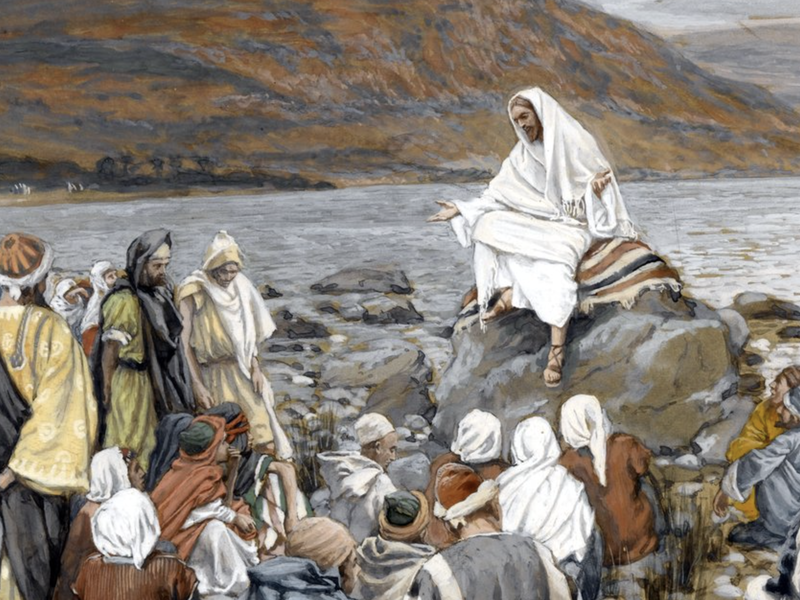
Biblical Bestiary and Covenant Creatures, Part 2: The Animalistic Dehumanization of Sin

Abbreviated Introduction to the Series Scripture is absolutely dripping with animal metaphors. Animal traits, characteristics, and appearances are attributed to God, Man, Angels, Nations, Armies. Since animals are the lowest creature in the three-tiered hierarchy, they are useful to metaphorically focus on a single aspect of God (bold like a…

by Jonathan WhiteOctober 20, 2025
screen-shot-2025-10-14-at-7-34-36-am
Song of Songs

Like a Lily Among Thorns: Hailing the Suffering Christ in Canticles

“Like a lily among the thorns, so is my love among the maidens… My beloved is mine and I am his; he pastures among the lilies.” Song 2:2, 16 In chapter two of the Song of Solomon, the Beloved compares his Love to a lily among thorns. The language of…

by Mark BriansOctober 14, 2025
eric-welch-xuch5jnrfig-unsplash
Biblical Theology

Biblical Bestiary and Covenant Creatures, Part 1: The Shared Spirit of Men and Beasts

Introduction From the very beginning, angels and animals have played mediating roles between God and Man. Just as the World was made three-tiered (Heaven, Earth, Deep), so the creatures were made (Angels, Men, Animals). Before Christ came to build the permanent bridge across the chasm between God and Man, various…

by Jonathan WhiteOctober 13, 2025
getty-images-nim1o1t51qq-unsplash
Matthew

Parables of Land and Sea in Matthew 13

Matthew 13, the third major discourse of the apostle’s gospel, is comprised almost entirely of parables. While it may seem that all the parables serve the same purpose in fulfilling the prophet Isaiah (Matthew 13:14), the parables found in verses 44–52, at the very least, function outside that purpose. This…

by David TownsendOctober 9, 2025
See all
See all
History

Converted Jerusalem

In his fascinating Rise of Christianity , Rodney Stark cites estimates that there were between 10,000 and 20,000 inhabitants of Jerusalem in the first century. Stark uses this to falsify Luke’s claims that there were 5000 Christians in Jerusalem (Acts 4:4) and “many thousands” of Jews (Acts 21:20): “Had there…

March 30, 2007

Hebraic hermeneutics

One Rhonda Wauhkonen discusses Nicholas of Lyra’s “Hebraic” semiotics and hermeneutics in a 1992 article on Chaucer. She begins by contrasting Augustine’s signum/res distinction to Lyra’s Hebraic viewpoint: “In the Hebrew system as evidenced in Scripture and as adapted by Nicholas, such stratification of signification did not exist, for the…

March 29, 2007

Last and first

Nicholas of Lyra is known for his notion of a “double literal” sense to Scripture. For him, interpretation ad litteram includes both the historical and the doctrinal/christological senses, and he suggests that the ancient Hebrews could well have seen the Messianic sense as the literal sense. He also suggests that…

March 29, 2007

Nicholas of Lyra’s afterlife

In Book 3 of Gargantua and Pantagruel, Rabelais attributes an odd opinion to the 14th-century exegete, Nicholas of Lyra: “Pantagruel, having wholly subdued the land of Dipsody, transported thereunto a colony of Utopians, to the number of 9,876,543,210 men, besides the women and little children, artificers of all trades, and…

March 29, 2007

Thomas on the Parable of the Workers

Steinmetz summarizes Thomas’s remarkably “NTWrightian” commentary on Matthew 20:1-16. While acknowledging an Origenist tradition that sees the hours as moments of an individual life, Thomas is more interested in the Irenaean tradition that interprets the parable in terms of redemptive history: “The hours mentioned in the parable are not stages…

March 29, 2007

Showing page 1699 of 2212

Browse by Category

In Medias Res

Your weekly digest for all things Theopolis.

Donate

Theopolis is nearly 100% donor-supported. Consider joining us on our mission.