Theopolis Logo

Writing

Explore our collection of theological essays, biblical studies, and reflections on faith and culture.

See all
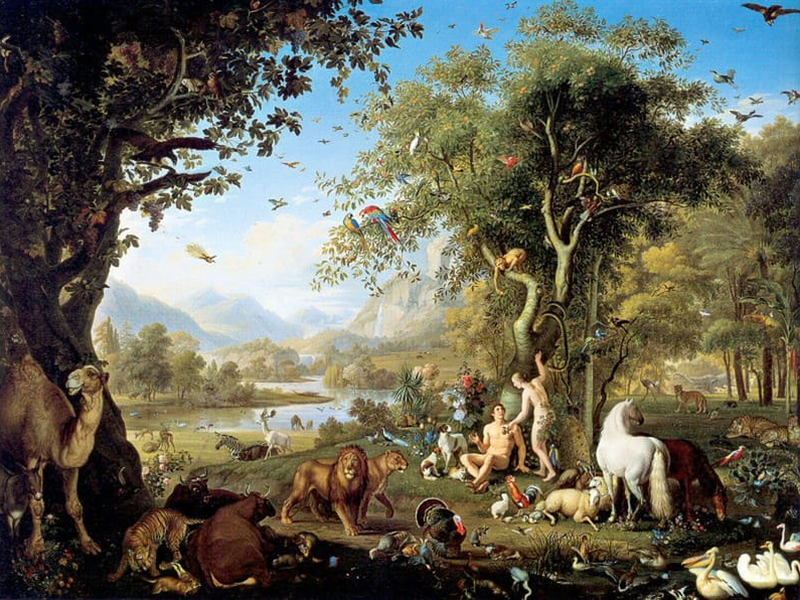
29994-adam-and-eve-in-the-garden-of-eden-800w-tn
Biblical Theology

Jesus in the Garden

Figure: Literary structure of the Garden narrative The Garden narrative describes God forming the adam , resting him in his presence, then provisioning for his appetites of food, vocation, and mate. It continues to describe a snake, the introduction of death, and humanity's expulsion from the garden. The pages of…

by Scott FairbanksJune 25, 2019
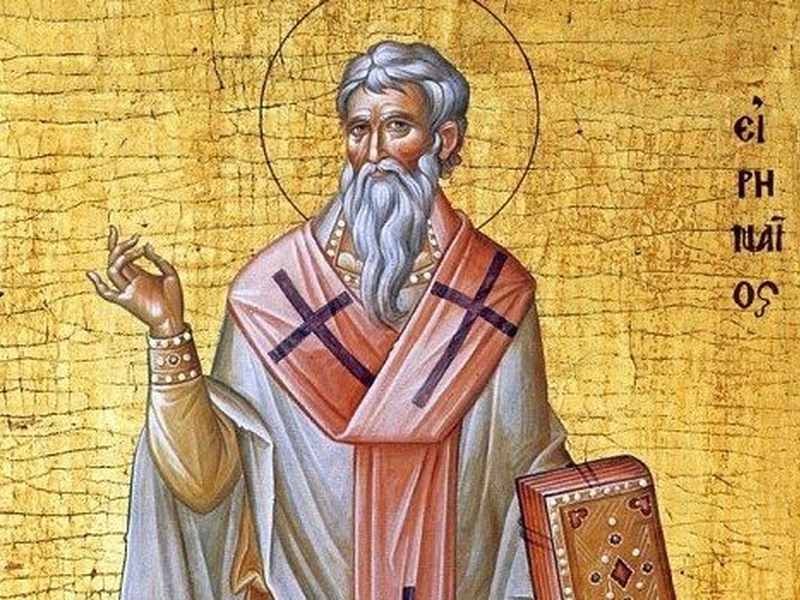
irenaeus-of-lyons-620x350
Christology

St. Irenaeus, the Beatific Vision, and the Instrumentalization of Creation

I’ve spent the last few years studying the theology of St. Irenaeus (d. circ. 200ad). In particular, I’ve been gripped by the way that Irenaeus consistently resisted the anti-body emphasis that emerged in later Christian theology. His eschatology is remarkably focused on the resurrection of the body, and the renewal…

by Gerald HiestandJune 18, 2019
aaron-burden-1ebsmyrau-s-unsplash
Exodus

The Light Before the Switch

Details of Jesus in Exodus 1:22-2:25 Although there are a great many Christ-types in the Old Testament, it is hard to overplay the obviousness of some that seem to necessarily rise to the top before others. One of these is Isaac, with his near sacrifice by his own father after…

by Eric RobinsonJune 11, 2019
thomas-habr-185321-unsplash
Biblical Theology

Characteristics of the Wicked City

What can we say about Cain's wicked sanctuary-city of Enoch? First that it was built with a brother's blood as its cornerstone. The Church is also built such, for Jesus was the younger brother of the whole Adamic race, slain by that company of older brothers because they hated Him.…

by James B. JordanJune 4, 2019
simon-caminada-107680-unsplash
Biblical Theology

Trees and Thorns

In Genesis 2:9 the ground brought forth trees good for food, delightful to view, and in two cases, life-giving or rule-bestowing. Adam, made of the ground (2:7), would by implication bring forth new trees, and thus trees and plants are among the symbols for human beings throughout the Bible. The…

by James B. JordanMay 28, 2019
annie-spratt-44241-unsplash
Biblical Theology

Trees for Food

One of the must fundamental teachings of the Bible and of the Christian religion is that man does not have life in himself. Man must get life from outside of himself, in order to maintain his life. The way this is done is through eating and drinking. Apart from life,…

by James B. JordanMay 21, 2019

Showing page 78 of 309

See all
See all
History

Converted Jerusalem

In his fascinating Rise of Christianity , Rodney Stark cites estimates that there were between 10,000 and 20,000 inhabitants of Jerusalem in the first century. Stark uses this to falsify Luke’s claims that there were 5000 Christians in Jerusalem (Acts 4:4) and “many thousands” of Jews (Acts 21:20): “Had there…

March 30, 2007

Hebraic hermeneutics

One Rhonda Wauhkonen discusses Nicholas of Lyra’s “Hebraic” semiotics and hermeneutics in a 1992 article on Chaucer. She begins by contrasting Augustine’s signum/res distinction to Lyra’s Hebraic viewpoint: “In the Hebrew system as evidenced in Scripture and as adapted by Nicholas, such stratification of signification did not exist, for the…

March 29, 2007

Last and first

Nicholas of Lyra is known for his notion of a “double literal” sense to Scripture. For him, interpretation ad litteram includes both the historical and the doctrinal/christological senses, and he suggests that the ancient Hebrews could well have seen the Messianic sense as the literal sense. He also suggests that…

March 29, 2007

Nicholas of Lyra’s afterlife

In Book 3 of Gargantua and Pantagruel, Rabelais attributes an odd opinion to the 14th-century exegete, Nicholas of Lyra: “Pantagruel, having wholly subdued the land of Dipsody, transported thereunto a colony of Utopians, to the number of 9,876,543,210 men, besides the women and little children, artificers of all trades, and…

March 29, 2007

Nicholas of Lyra’s afterlife

In Book 3 of Gargantua and Pantagruel, Rabelais attributes an odd opinion to the 14th-century exegete, Nicholas of Lyra: “Pantagruel, having wholly subdued the land of Dipsody, transported thereunto a colony of Utopians, to the number of 9,876,543,210 men, besides the women and little children, artificers of all trades, and…

March 29, 2007

Thomas on the Parable of the Workers

Steinmetz summarizes Thomas’s remarkably “NTWrightian” commentary on Matthew 20:1-16. While acknowledging an Origenist tradition that sees the hours as moments of an individual life, Thomas is more interested in the Irenaean tradition that interprets the parable in terms of redemptive history: “The hours mentioned in the parable are not stages…

March 29, 2007

Showing page 1699 of 2212

Browse by Category

In Medias Res

Your weekly digest for all things Theopolis.

Donate

Theopolis is nearly 100% donor-supported. Consider joining us on our mission.