Theopolis Logo

Writing

Explore our collection of theological essays, biblical studies, and reflections on faith and culture.

See all
paul-2
Romans

Notes on Scary Stuff in Romans 9

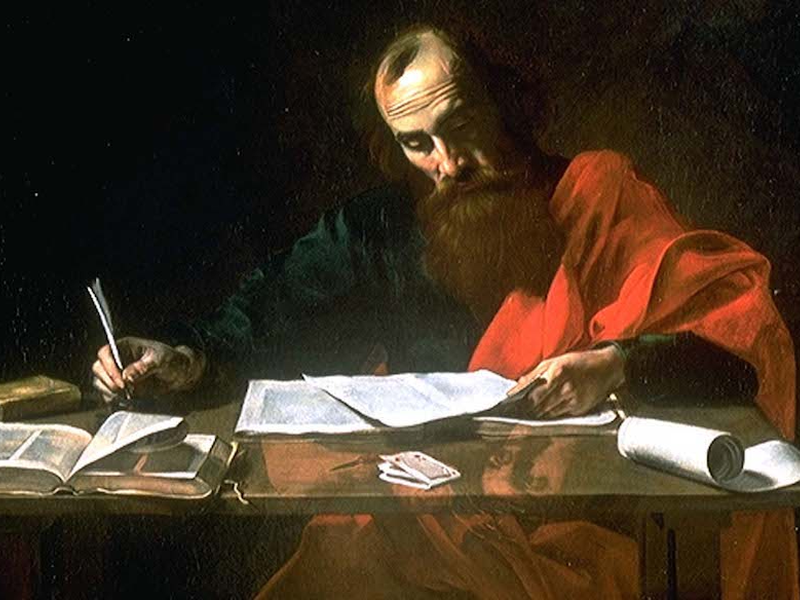
What shall we say then? Is there injustice on God’s part? By no means! For he says to Moses, “I will have mercy on whom I have mercy, and I will have compassion on whom I have compassion.” So then it depends not on human will or exertion, but on…

by Mark HorneFebruary 5, 2015

lunch-counter
American Politics

Covenants of Exclusion

A hundred years ago, William Warley signed a contract to buy a house in Louisville, Kentucky from Charles Buchanan, a white man. Before closing the sale, Warley, who was black, learned that the lot was subject to a city ordinance barring blacks from occupying the premises if most of the…

by Brendan O'DonnellFebruary 3, 2015
shakespeare-2
Literature

The Bard and the Book

I concluded the first essay on this topic by saying that I would introduce three books about Shakespeare and the Bible, but I decided to introduce four instead. The three books become four are: Naseeb Shaheen, Biblical References in Shakespeare’s Plays (London: Associated University Presses, 1999) ; Hannibal Hamlin, The…

by Ralph Allan SmithJanuary 29, 2015
augustine-2
Augustine

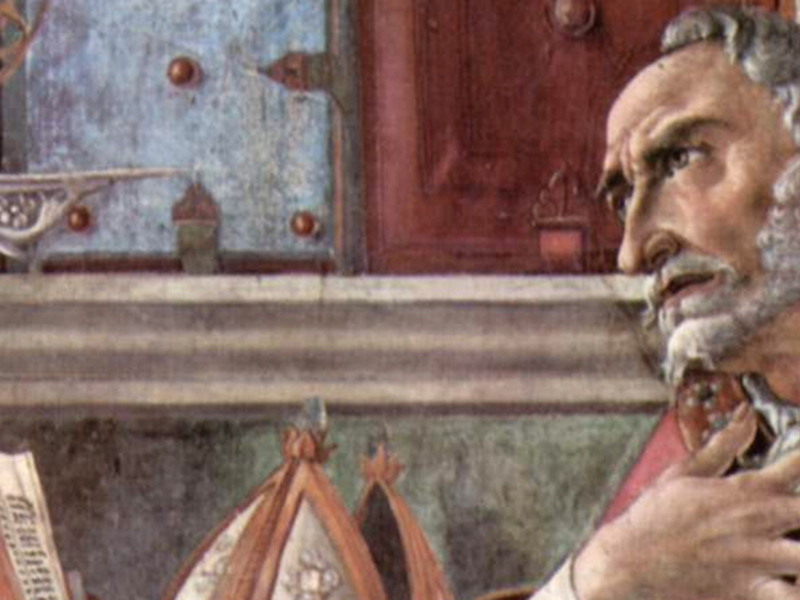
Augustine on Pagan Virtue

My children attend a classical Christian school, situated in the independent “free church” evangelical tradition. Over the past few years they have been growing in their acquaintance with the world of Homer, Plato, Virgil, and Livy. They enjoy it, and I envy it. The school is a great school. My…

by Gerald HiestandJanuary 27, 2015
prodigal-son
Atonement

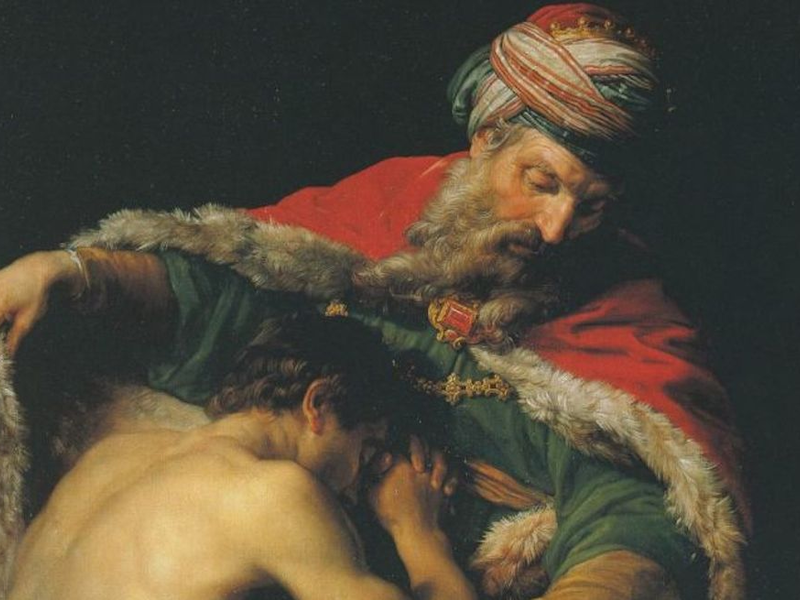
The Prodigal and the Cross

The Prodigal Son parable (Luke 15) has been a favorite of liberal theologians for a couple of centuries. It seems to be a parable designed for liberal sensibilities: An indulgent, accepting Father; forgiveness extended without a cross; a surly older brother who might represent the "conservative" face of religion who…

by Peter LeithartJanuary 22, 2015
sky-from-bridge
Ascension

Underground Man, Ascended Man

“I want now to tell you, gentlemen, whether you care to hear it or not, why I could not even become an insect. I tell you solemnly, that I have many times tried to become an insect. But I was not equal even to that. I swear, gentlemen, that to…

by Richard BledsoeJanuary 20, 2015

Showing page 161 of 309

See all
See all
History

Revolutionary timing

Are we living in a time of world-revolutionary change? Impossible to say, of course, but there might be some hints contained in the developments of the last millennium. Rosenstock-Huessy notes that Western man has been formed by periodic world-historical revolutions since the 11th century: Gregorian (11th), the Reformation (16th), Puritan…

December 29, 2006
History

One world

William Cavanaugh suggests that globalization represents a false catholicity, a unification of the human race organized around consumption and Hollywood blockbusters. That’s certainly one legitimate angle. On the other hand: The wealth of the wicked is stored up for the righteous, and Cain and Nimrod built cities long before David…

December 29, 2006
History

Fallen Soldiers

George L. Mosse’s Fallen Soldiers (Oxford 1990) is a fascinating study of the “Myth of War Experience” that developed between the French Revolution and came to a climax in World War I and its aftermath. Mosse develops a number of intertwined themes: the rise of volunteer armies after the French…

December 29, 2006

Childbirth

Rosenstock-Huessy notes the difference between animal birth and human childbirth, the main difference being that human parents remain with children after the birth: “marriage means to go from the blind act of the moment, through the whole life cycle to its most opposite point the childbirth,” and this shows “that…

December 29, 2006
History

Naming and nationalism

With nationalism at its height in the nineteenth century, the common practice of giving children biblical names was a check on nationalist idolatry, a reminder that the child was part of Christendom, not merely of France, Germany, England, etc. Rosenstock-Huessy puts the point dramatically: “When biblical names disappeared in Europe…

December 29, 2006
Science

Scientific law

In their Science & Grace (Crossway 2006), Tim Morris and Don Petcher helpfully define a law of nature as “God’s sustaining of, or man’s description of, that pattern of regularity that we observe in nature as God works out His purposes towards His own ends in HIs covenant faithfulness, through…

December 28, 2006

Showing page 1746 of 2212

Browse by Category

In Medias Res

Your weekly digest for all things Theopolis.

Donate

Theopolis is nearly 100% donor-supported. Consider joining us on our mission.