Theopolis Logo

Writing

Explore our collection of theological essays, biblical studies, and reflections on faith and culture.

See all
e99a1994
Theopolis News

Water, Bread, and Wine

"The faithful use of sacraments, and indeed a fully sacramental view of creation, is vital to the life of the Church. Baptism and the Lord's Supper are rites that directly shape the community and the Body, because they were given by God for that express purpose. A deficient practice of…

by Brian MoatsMay 27, 2016
astronauts
Culture

Detached People Can Only Float

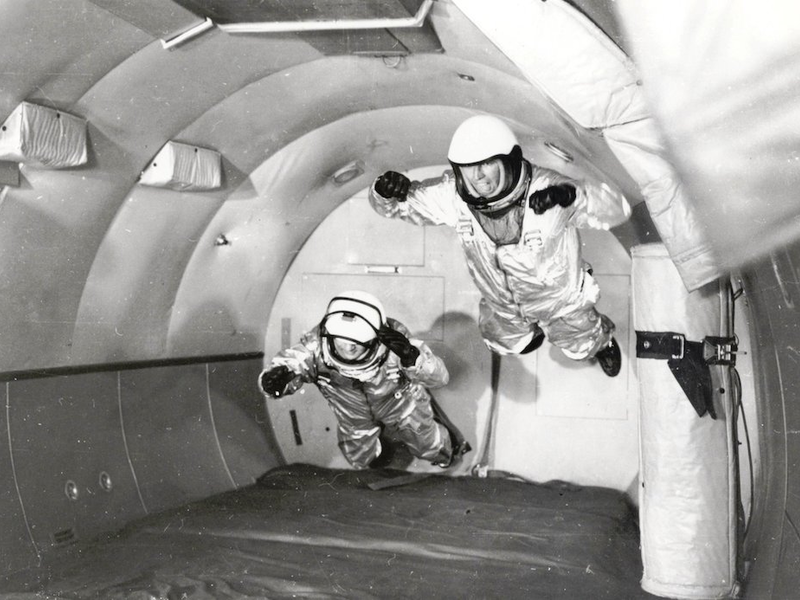
Weightlessness is fun. At the beginning of Gravity (2013) , we can see one astronaut dancing the Macarena and another one playing with his jetpack. They like it out there in the space. Apart from zero-gravity they can enjoy beautiful views, and even the silence is likable, although Matt Kowalski…

by Bogumil JarmulakMay 26, 2016
trump
American Culture

A Very Good Joke?

I recently went to a lunch that is more or less quarterly. About a dozen of us go. It is a lunch held in honor of a retired professor of religion and philosophy. I have been one of his acquaintances for more than 40 years. In his tenure as professor,…

by Richard BledsoeMay 24, 2016
img_0864
Theological Education

Why Theopolis?

Why Theopolis? Don't we already have seminaries and Bible colleges and other institutions for theological education? Why do we need another one? I get this question now and again. I ask myself this question even more often. What follows is a partial answer. Back in the 1990s, seminaries seemed to…

by Peter LeithartMay 19, 2016
portrait_of_martin_luther_as_an_augustinian_monk-800x500
Good Works

The Logic of Luther

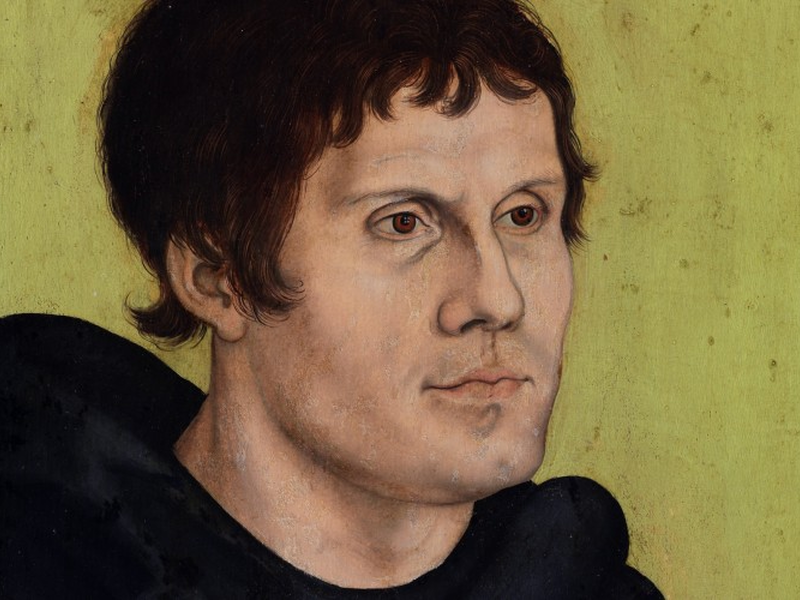
I think the logic of the Lutheran Reformation can be summarized in one sentence, attributed to Luther himself: "God does not need your good works, but your neighbor does." The first half of that statement is justification by faith . God doesn't need our works to satisfy his justice or…

by Rich LuskMay 17, 2016
prince
Art

Appreciating the Camera Work in Pornography

If you are looking to start a fight with Christians, there is hardly a better subject to do so than the arts. Music, movies, paintings, and literature have provided no small battlegrounds for Christians to war. We are emotionally invested in the arts. A song, a book, or a film…

by Bill SmithMay 10, 2016

Showing page 131 of 309

See all
See all
Philosophy

Heidegger in his woods

Latour is tired of being accused of having forgotten Being, and offers this clever brush-off of Heidegger: “If, scorning empiricism, you opt out of the exact sciences, then the human sciences,, then traditional philosophy, then the sciences of language, and you hunker down in your forest - then you will…

November 15, 2006
History

Semi-modernism

Postmoderns, Latour suggests, think they are still modern, but in fact they have greatly oversimplified the modern Constitution. Postmoderns might emphasize the separation of subject and world, and stretch that opposition to a breaking point (Latour vividly describes them as doing the splits to keep subject and world apart); but…

November 15, 2006
History

Modern temporality

In his very good section on modern temporality, Latour argues that modernity assumes that everything in the present, modern moment, is purely modern, novel. Anything that appears that is not up-to-date is a “archaism,” and moderns worry constantly that this or that event or trend might “turn back the clock.”…

November 15, 2006
History

Representation

One of the key moves made since the 17th century, Latour argues, is a distinction between modes of “representation.” In the laboratory Boyle is representing things before selected witnesses through scientific experiments, giving mute nature a voice through the scientist, while in politics Hobbes suggests that the Sovereign speaks for…

November 15, 2006
History

We Have Never Been Modern

Bruno Latour’s We Have Never Been Modern (Harvard 1993) is a rich study. He describes modernity in terms of a dual process of “purification” and “hybridization.” Purification involves the clean construction of a nature (and science) separated off from society and the self, while hybridization involves mixtures of nature and…

November 15, 2006

Tears of things

And/Or: Virgil is aware that the furor of civil war can be curbed only by an opposing, and more intense, furor. That, as Milbank says, is the way of paganism - peace established only by superior violence against violence. But in those tears Virgil expresses the the painful recognition -…

November 13, 2006

Showing page 1763 of 2212

Browse by Category

In Medias Res

Your weekly digest for all things Theopolis.

Donate

Theopolis is nearly 100% donor-supported. Consider joining us on our mission.