Theopolis Logo

Writing

Explore our collection of theological essays, biblical studies, and reflections on faith and culture.

See all
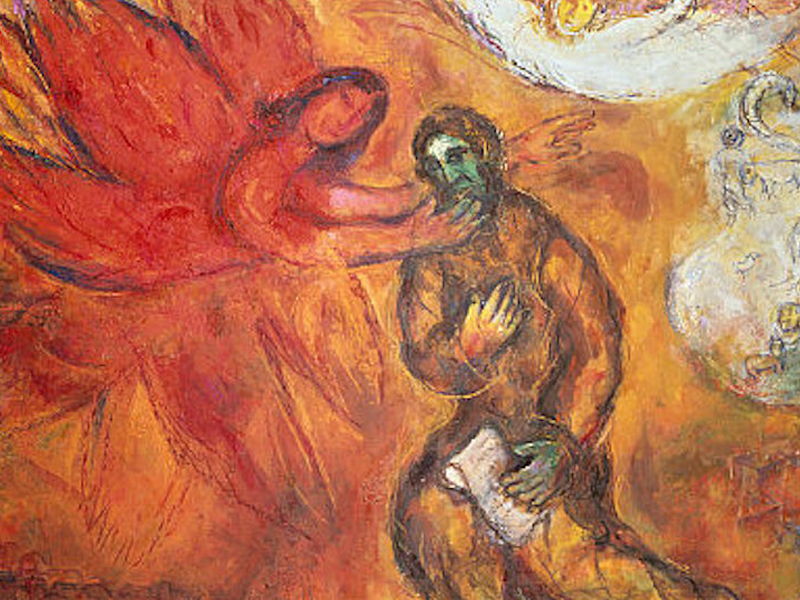
isaiah-commission
Isaiah

To An Unclean People

The book of Isaiah has a very brief introduction, one verse, and then plunges into a searing indictment of the people of Judah and Jerusalem. They are sons who do not honor their father, worse than donkeys and oxen who at least know their master. They are a bruised and…

by Peter LeithartSeptember 1, 2015

sixteen-miles-out-al48tflf4e8-unsplash
Biblical Studies

Apologia on Reading the Bible, (Part 3)

This is the third of a three-part essay. The Literary Reader As a conclusion to this essay, I want to make some observations that grow out of C. S. Lewis’s remarkable Experiment in Criticism , mentioned in an earlier installment. What Lewis is interested in doing is coming up with…

by James B. JordanAugust 27, 2015
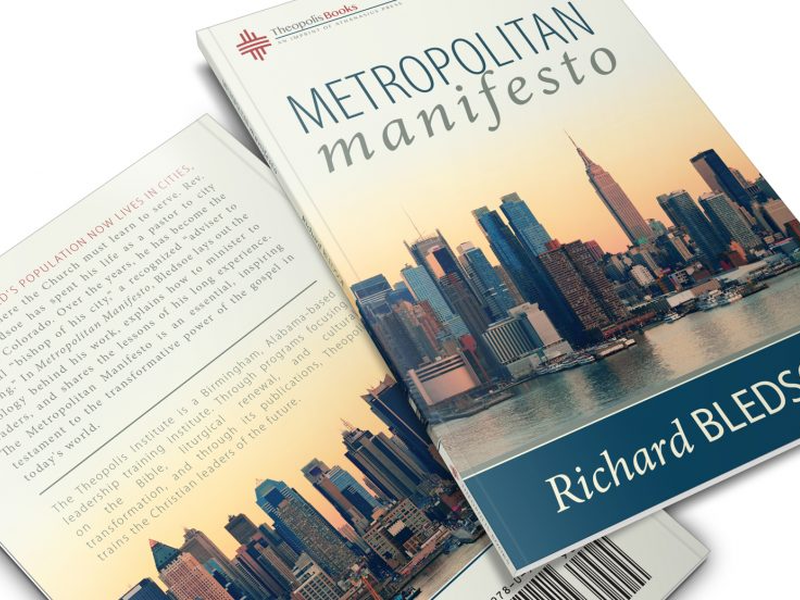
metropolitanmanifesto-3dfrontback-promo-3
Theopolis News

Metropolitan Manifesto: Available Now!

Metropolitan Manifesto, the new work from Theopolis fellow Richard Bledsoe, and first "Theopolis Books" release, is out today! Head over to the Athanasius Press website to get a copy. Half the world's population now lives in cities, and that is where the Church must learn to serve. Rev. Richard Bledsoe…

by Brian MoatsAugust 25, 2015
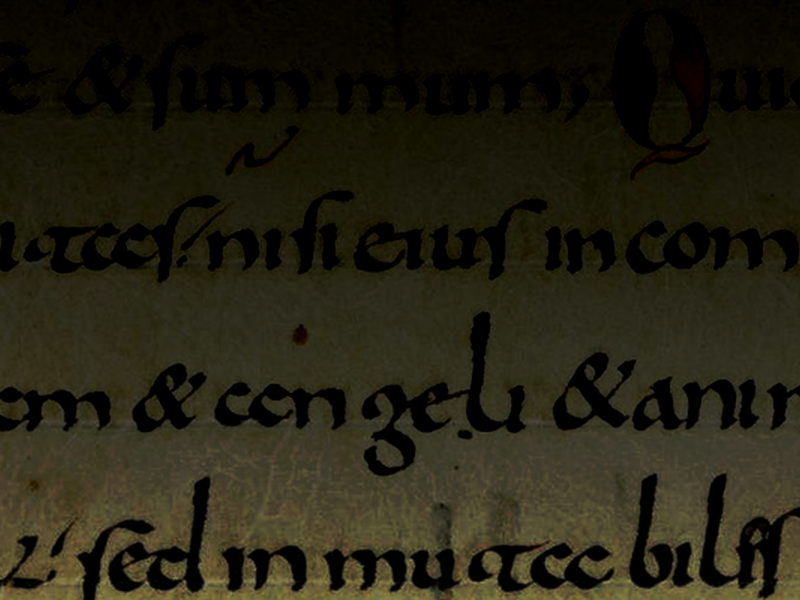
medievalilluminatedmanuscript
Biblical Studies

Apologia on Reading the Bible, (Part 2)

This is the second portion of a three-part essay. Learning to Read Learning to read the Bible is easier said than done, of course. There are several reasons for this, and they all have to do with the art of reading. Reading is an art and not a science, and…

by James B. JordanAugust 25, 2015
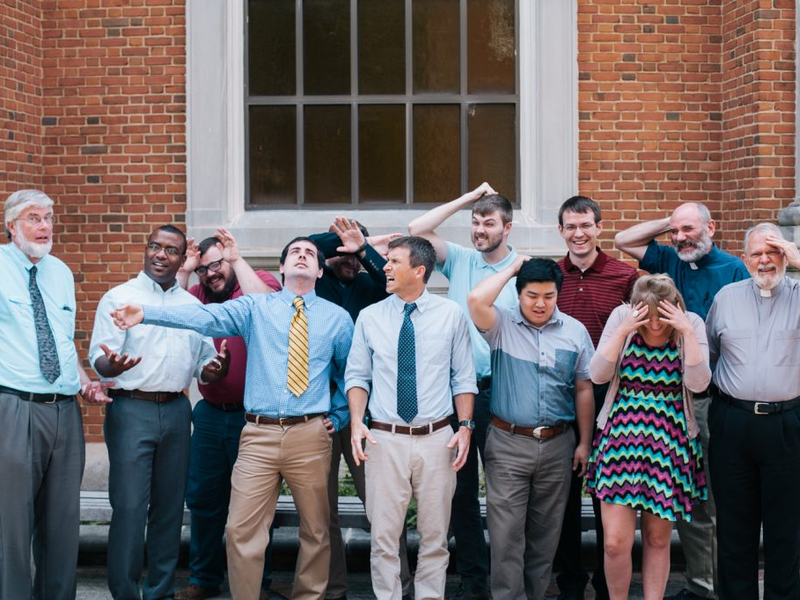
img_1069
Theopolis News

Mission to the City

“It instilled a real and abiding change in the way I understand my life as a disciple of Jesus Christ,” said Clint Hail, a Community Development Coordinator out of Dallas who attended Theopolis’ course on Mission to the City . “The course renovated the way I understand the challenges facing,…

by Brian MoatsAugust 21, 2015
hebrew-manuscript
Hermeneutics

Apologia on Reading the Bible, (Part 1)

What does it mean to read the Bible as inspired literature? The method is not new nor is it uncommon in Dutch Reformed circles. Exegesis must be Christocentric, plenary (all the text serves a theological purpose), respect the context in God’s redemptive plan, and plumb the full literary depth of…

by James B. JordanAugust 20, 2015

Showing page 145 of 309

See all
See all
Philosophy

Heidegger in his woods

Latour is tired of being accused of having forgotten Being, and offers this clever brush-off of Heidegger: “If, scorning empiricism, you opt out of the exact sciences, then the human sciences,, then traditional philosophy, then the sciences of language, and you hunker down in your forest - then you will…

November 15, 2006
History

Semi-modernism

Postmoderns, Latour suggests, think they are still modern, but in fact they have greatly oversimplified the modern Constitution. Postmoderns might emphasize the separation of subject and world, and stretch that opposition to a breaking point (Latour vividly describes them as doing the splits to keep subject and world apart); but…

November 15, 2006
History

Modern temporality

In his very good section on modern temporality, Latour argues that modernity assumes that everything in the present, modern moment, is purely modern, novel. Anything that appears that is not up-to-date is a “archaism,” and moderns worry constantly that this or that event or trend might “turn back the clock.”…

November 15, 2006
History

Representation

One of the key moves made since the 17th century, Latour argues, is a distinction between modes of “representation.” In the laboratory Boyle is representing things before selected witnesses through scientific experiments, giving mute nature a voice through the scientist, while in politics Hobbes suggests that the Sovereign speaks for…

November 15, 2006
History

We Have Never Been Modern

Bruno Latour’s We Have Never Been Modern (Harvard 1993) is a rich study. He describes modernity in terms of a dual process of “purification” and “hybridization.” Purification involves the clean construction of a nature (and science) separated off from society and the self, while hybridization involves mixtures of nature and…

November 15, 2006

Tears of things

And/Or: Virgil is aware that the furor of civil war can be curbed only by an opposing, and more intense, furor. That, as Milbank says, is the way of paganism - peace established only by superior violence against violence. But in those tears Virgil expresses the the painful recognition -…

November 13, 2006

Showing page 1763 of 2212

Browse by Category

In Medias Res

Your weekly digest for all things Theopolis.

Donate

Theopolis is nearly 100% donor-supported. Consider joining us on our mission.