Theopolis Logo

Writing

Explore our collection of theological essays, biblical studies, and reflections on faith and culture.

See all
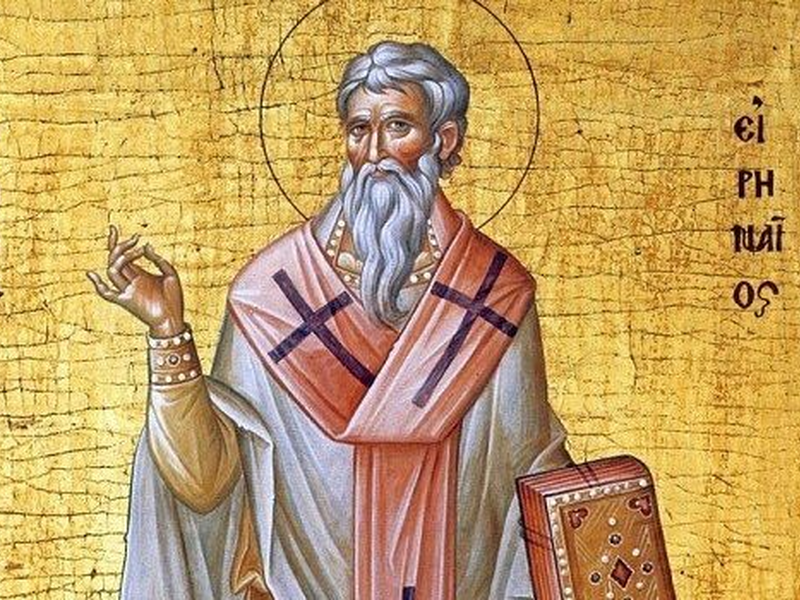
irenaeus-of-lyons-620x350
Anthropology

What Irenaeus’ Christology Teaches Us about the Goodness of our Bodies

The Christian tradition has always had an uneasy relationship with the materiality of creation. Dirt, liquid, sex, blood, and bodies—the world and the flesh stand in company with the Devil as two of the three great enemies of the saints. Mundus, caro, et diabolus , as the old Latin saying…

by Gerald HiestandSeptember 13, 2018

masada-aerial-crop
Biblical Studies

The Second Death in Liturgy and History

Since the destruction of Jerusalem was an event of earth-shattering covenantal significance, what might be the meaning of the subsequent tragic events at the desert fortress of Masada? In Hebrew, the name Masada means “strong foundation or support,” from a root meaning “to hunt, lie in wait for prey.” Located…

by Mike BullSeptember 11, 2018
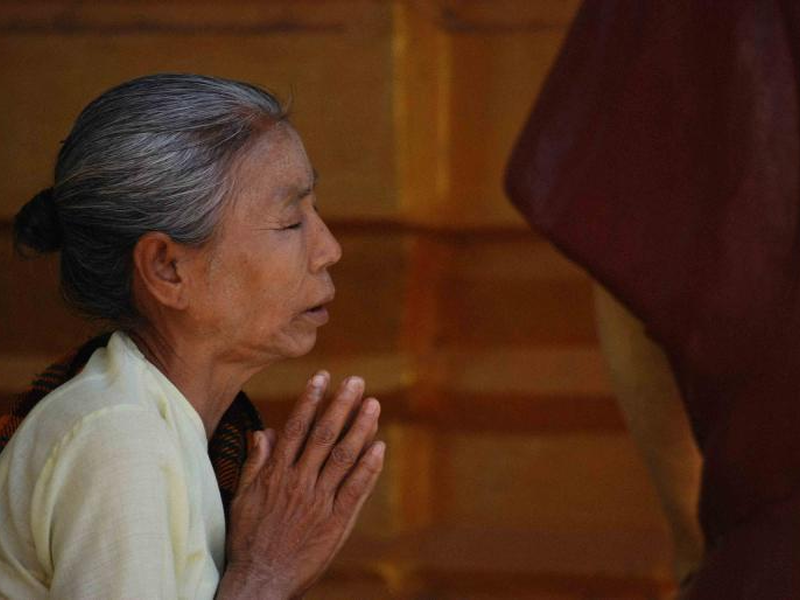
pray-442560_1920
How to Worship

Cross My Heart

Take a long look at the photo above. To whom is this woman praying? It is hard to tell, isn’t it? Suppose we watch her for a while. We may see her bow low to the floor. Her lips may move, though perhaps it is too low for us to…

by Christopher KouSeptember 6, 2018
img_7664
Biblical Theology

The Problem of Psalm 137

Psalm 137 is widely regarded as one of the meanest of the imprecatory psalms. Certainly as we read it it is seems to be a song of pure vengeance. The exiles in Babylon, in grief over the judgment that Babylon has brought upon them, pray for the destruction of that…

by James B. JordanSeptember 4, 2018
covenant-epistemology
Course Recap

A Week with Esther Meek: Course Recap

Forty men and women came from all over the United States to attend the 2018 Trinity Term course at Theopolis. Pastors, students, teachers, an electrician, a city planner, and others from a variety of denominations spent five days at Beeson Divinity School studying covenant epistemology under the tutelage of philosopher…

by TheopolisAugust 31, 2018
last-supper
Matthew

Galilee of the Gentiles

Matthew records that Jesus "withdrew" to Galilee to begin His public ministry there after He "heard that John had been delivered up" (Mt. 4:12). Matthew’s typically matter-of-fact style veils the truly remarkable character of Jesus’ withdrawal. Matthew has been presenting Jesus as the Messiah, the Seed of Abraham and Son…

by Peter LeithartAugust 31, 2018

Showing page 88 of 309

See all
See all
History

Tensions of Modernity

Whitney (the book is Francis Bacon and Modernity , Yale, 1986) offers some additional meditations on the meaning of “modern” particularly as it relates to Bacon. He defines modernity in terms of the tension between innovation and tradition, the frustration that arises from the revolutionary’s effort to start afresh and…

August 29, 2006
History

Revolutionary Reform

Whitney on Bacon again: “Reform invites analogy and multiple levels of meaning as it variously connects old and new; it exposes the poverty of brute facts by, for one thing, fixing knowledge in a hierarchy of literary kinds or genres. Reformative visions in history grow in part out of biblical…

August 29, 2006
History

Bacon the Prophet

In his defense of the legitimacy of the modern age, Hans Blumenberg attempts to pry apart the legitimate kernel ideas of modernity from the illegitimate, mostly medieval and superstitious, husks by which the kernel ideas were often expressed. Whether this works for any early modern thinker, it does not work,…

August 29, 2006
History

Honor in Therapeutic culture

Bowman examines a scene from The Sopranos where John “Johnny Sack” Sacramoni seeks permission, from Tony Soprano among others to “clip” Ralph Cifaretto for jokingly insulting his wife’s weight, which has done damage to her “body image, self esteem.” None of his superiors will bite, and Bowman notes that the…

August 28, 2006
History

Honor and the Right

There’s a scene in Malory where Launcelot has been caught in Guenevere’s bedroom by his enemies, Aggravayne and Mordred, and in the ensuing altercation Launcelot kills 14 knights, all but Mordred, who is wounded. Summoned to appear before Arthur, Launcelot still protests his innocence: “Those who told you such tales…

August 28, 2006
Philosophy

Virtue and Violence

Mandeville made explicit the connection between violence and ancient virtue that Milbank and others have commented on: “The Word Moral, without Doubt, comes from Mos, and signifies every Thing that relates to Manners: The Word Ethick is synonimous with Moral, and is derived from [Greek: ithik], which is exactly the…

August 28, 2006

Showing page 1802 of 2212

Browse by Category

In Medias Res

Your weekly digest for all things Theopolis.

Donate

Theopolis is nearly 100% donor-supported. Consider joining us on our mission.