Theopolis Logo

Writing

Explore our collection of theological essays, biblical studies, and reflections on faith and culture.

See all
hughes-auditorium-ryan-worthen-1024x576
American Culture

The Affections of Asbury

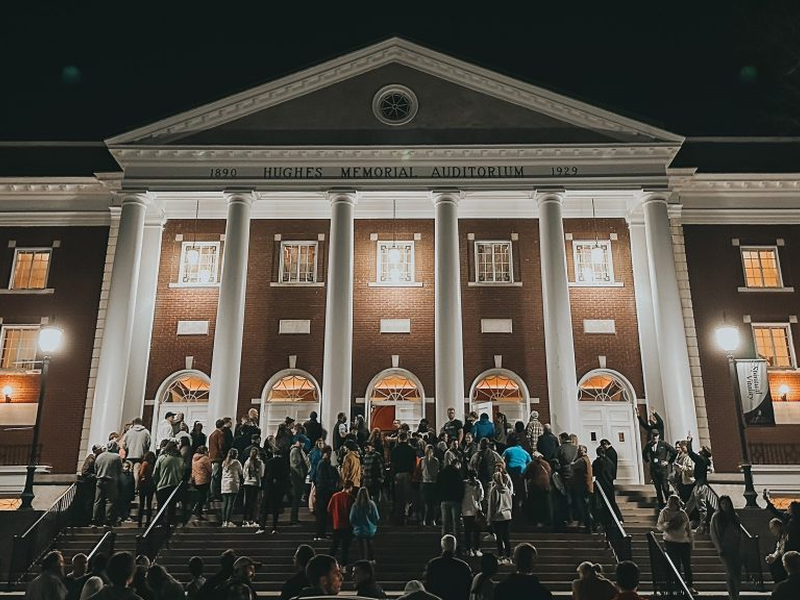
Over the past few days, quite the event has developed at Asbury University down in Wilmore, Kentucky. University students have appeared at the Hughes Auditorium to worship and sing praises to God, which has continued for over 90 hours at the time of this writing. There is recent reporting that…

by Charles JacobiFebruary 16, 2023
screen-shot-2023-02-14-at-1-15-58-pm
Apostle Paul

Paul and Nero

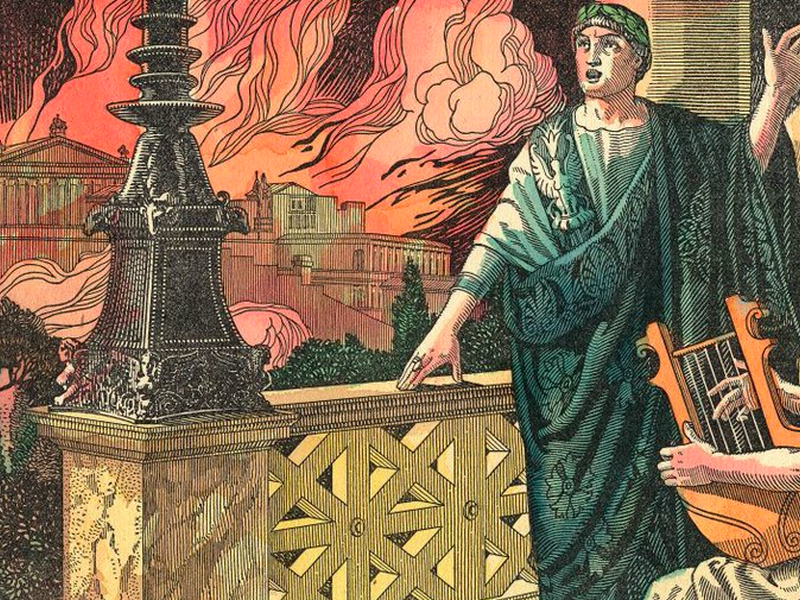
It is well-enough known that Nero was emperor from AD 54 when he was just 16 until his death as a young man of 30 in AD 68, just 14 years later. Paul ministered during most of those 14 years (we are not sure which year he died), accomplishing 3…

by Ralph Allan SmithFebruary 14, 2023
alexander-andrews-c91ls-jk7cw-unsplash
Apostle Paul

For Me to Live is Christ!

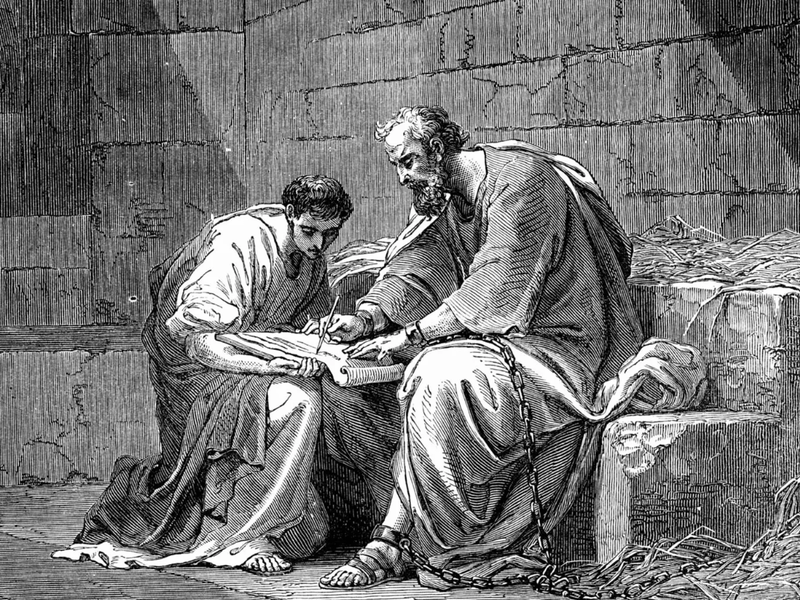
When the apostle Paul says, “For me to live is Christ!” (Philippians 1:21), we do not find it difficult to understand. Paul had been a faithful servant of Christ from the time that Christ confronted him on the road to Damascus (AD 30) and through Ananias told Paul that he…

by Ralph Allan SmithFebruary 9, 2023
vino-li-j4jjsfjkhpi-unsplash
Song of Songs

Bridal Song

I think there’s a layer to the Song of Songs which has been largely unexamined. The Song is about Christ and his church, Yahweh and Israel, the nature of the marriage covenant, and the marriage of the couple in the Song. But while the Song is “of Solomon” (or to…

by Daniel StanleyFebruary 8, 2023
screen-shot-2023-02-02-at-10-10-22-am
Biblical Studies

Paul and the Praetorian Guard

In Philippians 1:12-13, Paul informs his beloved brothers in Philippi that his Roman imprisonment — which one would naturally think hindered his ministry and the preaching of the Gospel — actually resulted in the surprising and wonderful progress of the Gospel. Of course, from our perspective 2000 years later and…

by Ralph Allan SmithFebruary 2, 2023
frank-mckenna-cseckew4tm0-unsplash
Biblical Theology

Abraham’s Seed: Heavens, Earth, and Sea Made New

In a recent post , I explored the threefold order of creation—heavens, earth, and sea—and suggested that in Genesis 1 God stamps heaven’s order, his own threefold nature, on the creation, giving earth a trinitarian shape. So what happens to the three-level architecture of creation after Genesis 1? We don’t…

by Josh JensenFebruary 1, 2023

Showing page 34 of 309

See all
See all
History

Modernity and antiquity

Kumar suggests that “some of the principal hall-marks of modernity” are already evident in the Christian notions of time and history. Both Christianity and modernity separate time from nature, and humanize time; time is seen by both as “linear and irreversible”; both see history as an Aristotelian drama with beginning,…

February 24, 2006
History

First Modernity

The Latin modernus was coined in the late fifth century, as an antonym to antiquus , and variations of modernus became particularly common after the 10th century. Thus, Krishan Kumar writes, “Modernity is . . . an invention of the Christian Middle Ages,” and was used to emphasize the radical…

February 24, 2006
Philosophy

Computer Communications and the Self

Poster lists four effects that computer communications (email, chat groups, etc) have on the self: “1 they introduce new possibilities for playing with identities; 2 they degender communications by removing gender cues; 3 they destabilize existing hierarchies in relationships and re-hierarchize communications according to criterio that were previously irrelevant; and…

February 24, 2006
Philosophy

Computers, subjects and objects

Descartes famously contrasted the mind (res cogitans) with the external world (res extensa), but Mark Poster suggests that computer writing fudges that distinction: “the computer dematerializes the written trace. As inputs are made to the computer through the keyboard, pixels of phosphor are illuminated on the screen, pixels that are…

February 24, 2006
Media

Community and New Communications

Mark Poster points to a tension between the modern institutions of production and the postmodern technologies of communication, particularly as they impact the formation of the self: “If modernity or the mode of production signifies patterned practices that elicit identities as autonomous and (instrumentally) rational, postmodernity or the mode of…

February 24, 2006
Media

Telephone

Prior to World War I, Telefon Hirmondo, the telephone system of Budapest, was used as a broadcast system, with a published schedule of programs that were restricted to certain classes of people in Hungary. Only later did it develop into a communications system in which everyone could pass information to…

February 24, 2006

Showing page 1878 of 2212

Browse by Category

In Medias Res

Your weekly digest for all things Theopolis.

Donate

Theopolis is nearly 100% donor-supported. Consider joining us on our mission.