Theopolis Logo

Writing

Explore our collection of theological essays, biblical studies, and reflections on faith and culture.

See all
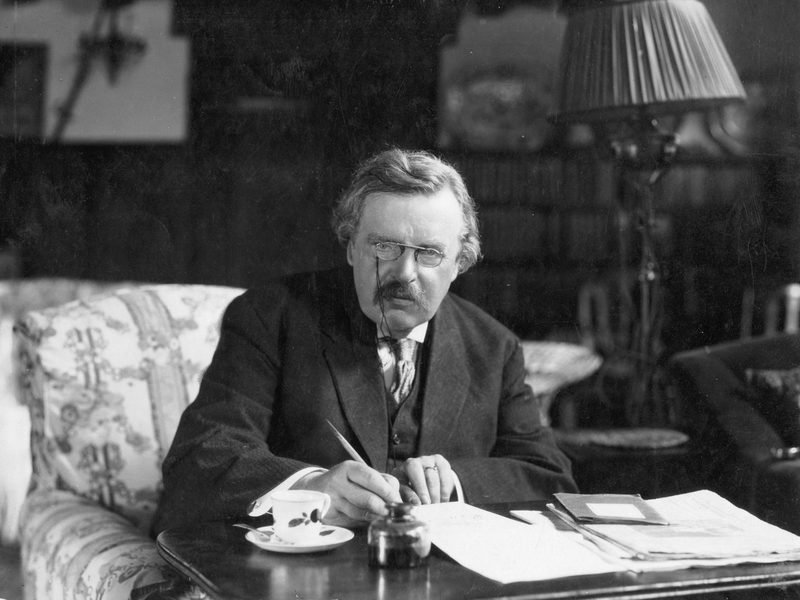
g-_k-_chesterton_at_work
Books

Interpreting "The Man Who Was Thursday"

I just finished re-reading G. K. Chesterton’s The Man Who Was Thursday . I have in the past had the temerity to say that I believe it to be the best novel of the 20th century. Be that as it may, I still maintain that it is at least one…

by Richard BledsoeJanuary 7, 2022
10779-istockgetty-images-plusredletterw
Hebrews

The Universality of Mary’s Wound

And Simeon blessed them and said to Mary his mother, “Behold, this child is set for the fall and rising of many in Israel, and for a sign that is spoken against and a sword will pierce through your own soul also, that thoughts out of many hearts may be…

by Garrett SoucyJanuary 4, 2022
heartierhymnals-stockimage
Music

An Argument for Heartier Hymnals

I was inspired to write this article after reading John Ahern’s The Case for Shorter Hymnals first published on Theopolis Institute’s website on November 16, 2021. Mr. Ahern and I are writing with different audiences and emphases in mind. I am thankful we both share a mutual desire to see…

by Jarrod RicheyDecember 30, 2021
tim-marshall-k2u71wv2ei4-unsplash-1
Biblical Studies

Image of God

If you’ve spent any time in the social-media galaxy of Christian cultural commentators, you have almost definitely run across the Latin phrase Imago Dei . It means image of God . Why they usually say it in Latin, I couldn’t tell you. We saw it in the wake of the…

by Daniel HoffmanDecember 28, 2021
annunciation
Advent

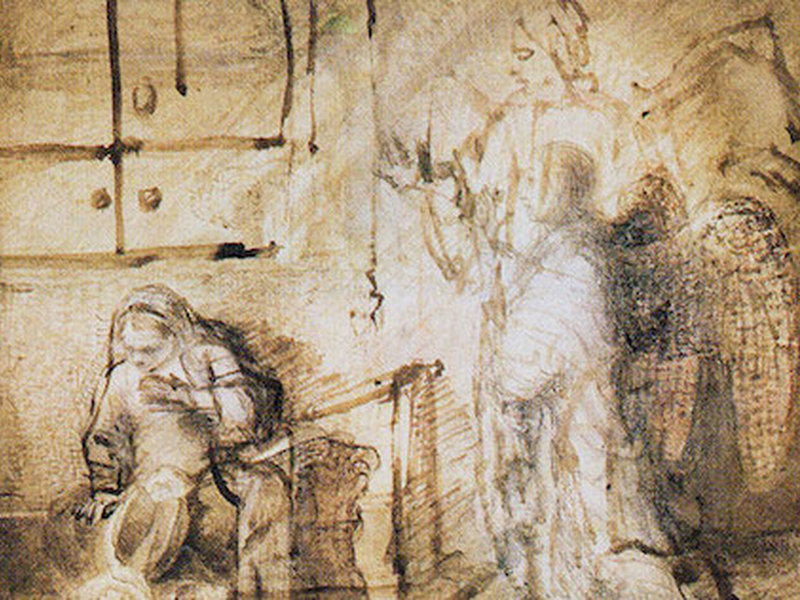
He Comes to Make His Blessings Known: "Son of David" and "Son of Abraham" in Matthew 1:1

The Gospel of Matthew—indeed, the New Testament—begins with a list of names, and that list of names is introduced by this heading: “The book of the generations of Jesus Christ, the son of David, the son of Abraham.” Why start like this? Why “the son of David” and “the son…

by Josh JensenDecember 23, 2021
49980-nicolas_poussin_-_the_judgment_of_solomon_-_wga18330-800w-tn
Biblical Studies

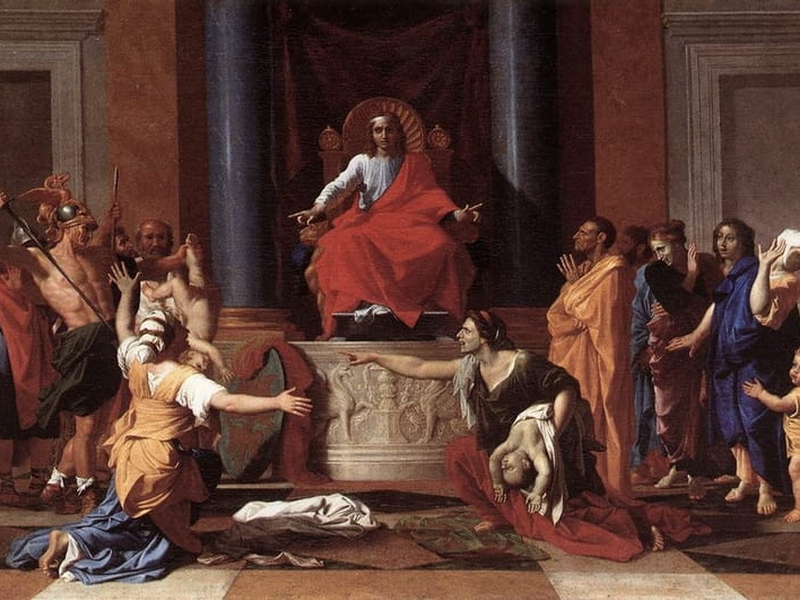
On Not Needing to Cut the Baby in Half

A blade is raised. A child wails. But the brow under the crown is untroubled. Solomon knows that the raising of the sword will reveal the true parent and the identity of the son. But how did he know this? Abraham’s willingness to sacrifice Isaac certainly bears some of the…

by Jonathan WhiteDecember 21, 2021

Showing page 48 of 309

See all
See all

Sermon Outline

INTRODUCTION Joash’s story is an ironic tragedy of Shakespearean dimensions. His reign begins well, with a dramatic and surprising renewal of the Davidic line, and he pays his dues by repairing the temple. Before the end of his life, he loots the very temple he has repaired. THE TEXT “In…

February 13, 2006

Eucharistic meditation, Sixth Epiphany

2 Kings 11:1: When Athaliah the mother of Ahaziah saw that her son was dead, she rose and destroyed all the royal seed. At the beginning, the story of Athaliah appears to be the story of the destruction of the house of David. Athaliah kills all the royal seed, and…

February 12, 2006

Baptism Meditation, Sixth After Epiphany

2 Kings 11:3: So Joash was hidden with her in the house of Yahweh six years, while Athaliah was reigning over the land. The story in the sermon today is the story of two kingdoms, two rulers, two reigns. One is open, public, evident to everyone who reads the newspapers.…

February 12, 2006

Exhortation, Sixth After Epiphany

Athaliah, daughter of Ahab and Jezebel, knew she had to protect herself. She was related to the Davidic line only by marriage, and knew that many in Judah would be suspicious of her. A live Davidic prince could become the focal point for a revolt that would topple her from…

February 12, 2006
Literature

Shakespeare and Puritans

Jeffrey Knapp suggests that, though Shakespeare was probably raised a Catholic, he chose to conform to the established religion but without taking a high profile at church. In a comment that rings true, Knapp suggests that above all Shakespeare “deplored sectarianism. Shakespeare’s puritanical characters are typically divisive figures, longing for…

February 11, 2006

Eye for Eye

Athaliah the murderous mother is undone by Jehosheba the protective mother. To be specific: Athaliah renounces her blood ties with her grandchildren and slaughters the royal seed (2 Kings 11). Jehosheba renounces her blood ties with her own mother, Athaliah, and saves the royal seed. Wicked family disloyalty is undone…

February 11, 2006

Showing page 1886 of 2212

Browse by Category

In Medias Res

Your weekly digest for all things Theopolis.

Donate

Theopolis is nearly 100% donor-supported. Consider joining us on our mission.