Theopolis Logo

Writing

Explore our collection of theological essays, biblical studies, and reflections on faith and culture.

See all
cloister

Gatekeepers

1 Chronicles 9:1 seems to bring the genealogies of 1 Chronicles to an end. The Chronicler has recorded the genealogy of the human race from Adam, focusing on the descendants of Abraham through Jacob. Summing it all up, he says, “So all Israel was enrolled by genealogies; and behold, they…

by Peter LeithartJune 21, 2016
trinity-1-2
Trinity

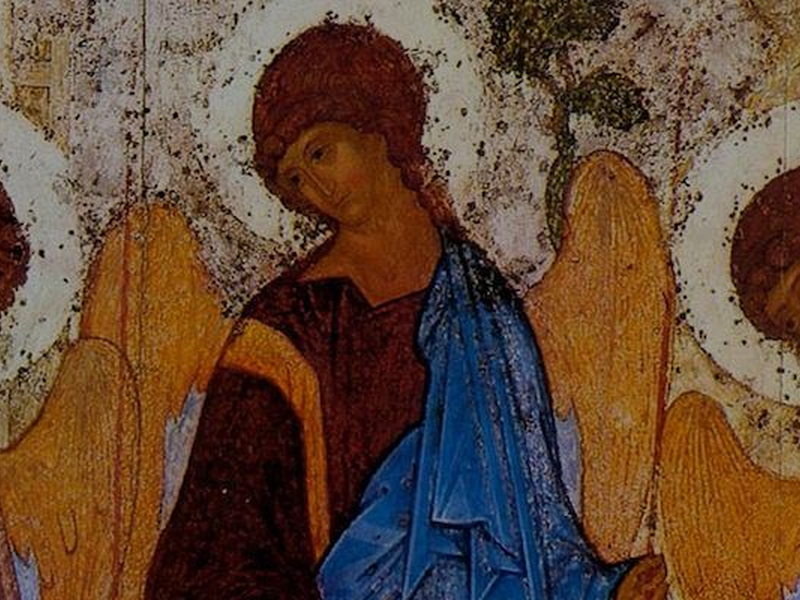
Are the Divine Persons Persons?

The “personalist” understanding of the Trinity, articulated most influentially in the work of John Zizioulas, has fallen on hard times. Recent scholars have attacked Zizioulas’s idea that Cappadocian Trinitarianism represented an ontological revolution, hammering on the distinction between divine and human personhood. Michel Barnes’s conclusion is the most drastic of…

by Peter LeithartJune 16, 2016
img_4660-2
Architecture

On Biblical Theology

Biblical Theology is often defined as the historical unfolding of God’s revelation, or of God’s revelation and of the history of his covenantal redemption and transformation of humanity and the world. In practice, Biblical Theology is usually broader than this, and also includes the study of literary structure and of…

by James B. JordanJune 14, 2016
laughing_statue_by_xxbobbiie-d5f0meh-2
Humor

Wise Laughter

We are made to be happy. Created to enter into the eternal joy of God, our whole being inclines to that end, but the fallen world has put forth barriers and by our own sin we bar ourselves from that endless delight, and death blinds us to that reality. Yet…

by Remy WilkinsJune 7, 2016
img_7664
Liturgy

Why Theopolis? Take Two

At the end of Revelation, John sees the heavenly city descending to earth. The city shines with the brilliance of God's glory, which lightens the nations, so that kings bring their glory to the city. This is not a vision of the final new heaven and new earth. It's a…

by Peter LeithartJune 2, 2016
trinity-1-2
Attributes of God

How Can We Talk About God?

“No one has ever seen God,” writes John (John 1:18). If this is the case, then how can we speak about God? Some people say we actually cannot. Or at least we cannot speak about God positively, i.e. who He is. We can only say who or what God is…

by Bogumil JarmulakMay 31, 2016

Showing page 130 of 309

See all
See all

Protestant Sacred Space

S acred Space in Early Modern Europe , edited by Will Coster and Andrew Spicer, aims to fill a gap in accounts of early modern Europe. Despite intense attention to sacred space among anthropologists, scholars of comparative religion, historians, and sociologists, few studies of early modern Europe have paid attention…

April 4, 2017

Disenchanting Protestantism?

S cott Hendrix argues that the Reformation was united by an agenda of Christianization. By “Christianization,” he means, first, the effort “to reform the rituals of late-medieval piety in conformity with sound doctrine” and, second, the goal “to create more sincere and intentional believers by transforming people's minds and hearts”…

April 3, 2017

Pew Wars

Margo Todd's The Culture of Protestantism in Early Modern Scotland is an extraordinarily rich study. One brief note will serve to illustrate. “A visitor to an early seventeenth-century Scottish church had no difficulty seeing the social structure of the community in the arrangement of seats.” The principle was simple: The…

March 31, 2017
American Politics

Blue State Secession

It's time for “Bluexit,” argues Kevin Baker at The New Republic , a blue-state secession. Here's the thesis: Blues fund most of the federal government, and are responsible for most of the economic output of the country. Red states receive vastly more federal aid than they pay in, and then…

March 31, 2017

Stating the Obvious

M ona Charen states the obvious : “There are good and bad arguments against immigration.” In today's overheated political climate, though, the obvious gets drowned by sensational horrors. The horrors are truly horrific, but they aren't typical. Charen writes, “I am sympathetic to some restrictionist points, but smearing immigrants as…

March 31, 2017

Power in Weakness

I n an essay on Alexander Schmemann (in Ordering Love , 301-2), David L. Schindler observes that “Creaturely power begins in wonder and gratitude before the inherent beauty of the other. The power of creaturely being originates and consists primarily in the beauty of the Other: it is the attractiveness…

March 31, 2017

Showing page 190 of 2212

Browse by Category

In Medias Res

Your weekly digest for all things Theopolis.

Donate

Theopolis is nearly 100% donor-supported. Consider joining us on our mission.