Theopolis Logo

Writing

Explore our collection of theological essays, biblical studies, and reflections on faith and culture.

See all
cloister

Gatekeepers

1 Chronicles 9:1 seems to bring the genealogies of 1 Chronicles to an end. The Chronicler has recorded the genealogy of the human race from Adam, focusing on the descendants of Abraham through Jacob. Summing it all up, he says, “So all Israel was enrolled by genealogies; and behold, they…

by Peter LeithartJune 21, 2016
trinity-1-2
Trinity

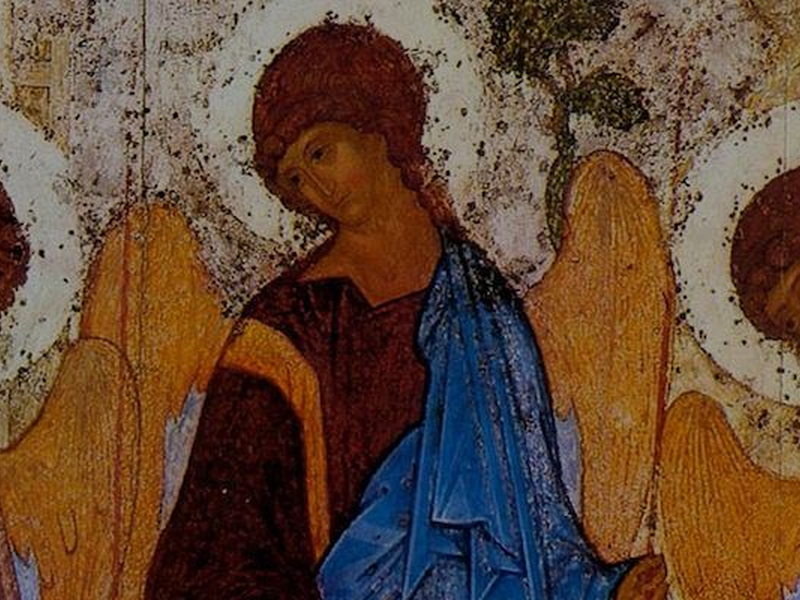
Are the Divine Persons Persons?

The “personalist” understanding of the Trinity, articulated most influentially in the work of John Zizioulas, has fallen on hard times. Recent scholars have attacked Zizioulas’s idea that Cappadocian Trinitarianism represented an ontological revolution, hammering on the distinction between divine and human personhood. Michel Barnes’s conclusion is the most drastic of…

by Peter LeithartJune 16, 2016
img_4660-2
Architecture

On Biblical Theology

Biblical Theology is often defined as the historical unfolding of God’s revelation, or of God’s revelation and of the history of his covenantal redemption and transformation of humanity and the world. In practice, Biblical Theology is usually broader than this, and also includes the study of literary structure and of…

by James B. JordanJune 14, 2016
laughing_statue_by_xxbobbiie-d5f0meh-2
Humor

Wise Laughter

We are made to be happy. Created to enter into the eternal joy of God, our whole being inclines to that end, but the fallen world has put forth barriers and by our own sin we bar ourselves from that endless delight, and death blinds us to that reality. Yet…

by Remy WilkinsJune 7, 2016
img_7664
Liturgy

Why Theopolis? Take Two

At the end of Revelation, John sees the heavenly city descending to earth. The city shines with the brilliance of God's glory, which lightens the nations, so that kings bring their glory to the city. This is not a vision of the final new heaven and new earth. It's a…

by Peter LeithartJune 2, 2016
trinity-1-2
Attributes of God

How Can We Talk About God?

“No one has ever seen God,” writes John (John 1:18). If this is the case, then how can we speak about God? Some people say we actually cannot. Or at least we cannot speak about God positively, i.e. who He is. We can only say who or what God is…

by Bogumil JarmulakMay 31, 2016

Showing page 130 of 309

See all
See all

Architectural Justice

J ames Jordan has often called attention to Ezekiel 43:10-11, where the Lord explains the purpose of the elaborate temple vision that He has shown the prophet. When Israel hears the design and plans of the temple, its entrances and exits, it straight lines and its corners, they will “be…

March 17, 2017

Protestantism and Nature

L awrence Feingold doesn't much like de Lubac's work on the natural desire to see God . He doesn't think the neo-Thomist distinction of natural and supernatural is responsible for the rise of atheism and naturalism. On the contrary, the distinction is necessary to combat naturalism. Feingold writes, “the Thomistic…

March 17, 2017

Odysseus and Dialectics of Environment

N ear the beginning of their Dialectic of Enlightenment , Max Horkheimer and Theodore Adorno “allegorize” on an episode in the Odyssey , in which Odysseus takes his ship past the Sirens who entice mariners toward the dangerous shoals of their island with their sweet singing. Odysseus wants to hear…

March 17, 2017

Talking Trees

T rees are slow, like Ents. The electrical impulses that pass through trees travel at a rate of one-third of an inch per second. Why do trees need electricity? According to Peter Wollheben ( The Hidden Life of Trees ), they need electricity to talk to each other. He's not…

March 17, 2017

Indirect Subject

S lavoj Zizek ( Mythology, Madness, and Laughter ) explains Hegel's sublation of Kantian transcendentalism by noting that Hegel accepts Kant's root insight, the “the subjective constitution of reality, the split that separates the subject from the in-itself.” Yet Hegel doesn't stop with this acceptance: “this very split is transposed…

March 17, 2017

God the Temple

T he Bible is a narrative of architecture and city planning. The Creator is a divine architect and builder. On earth, He is first a landscape architect, designing and planning a garden, then a designer of tents and temples, finally an architect of people who builds a church of living…

March 17, 2017

Showing page 195 of 2212

Browse by Category

In Medias Res

Your weekly digest for all things Theopolis.

Donate

Theopolis is nearly 100% donor-supported. Consider joining us on our mission.