Theopolis Logo

Writing

Explore our collection of theological essays, biblical studies, and reflections on faith and culture.

See all
sinitta-leunen-dvibhmzsy8e-unsplash
Epistemology

A Cheer for the Mystics

Mystical theologians are often unguarded, extreme, un-nuanced, pressing to the edges of heresy, sometimes beyond. Still, the mystics are worthy of study. Why? Many reasons. Unlike some late medieval and post-Reformation dogmaticians, mystical theologians are often instinctively and richly Trinitarian. Historical-critical approaches to Scripture left mystical theologians virtually untouched; mystics…

by Peter LeithartSeptember 2, 2013
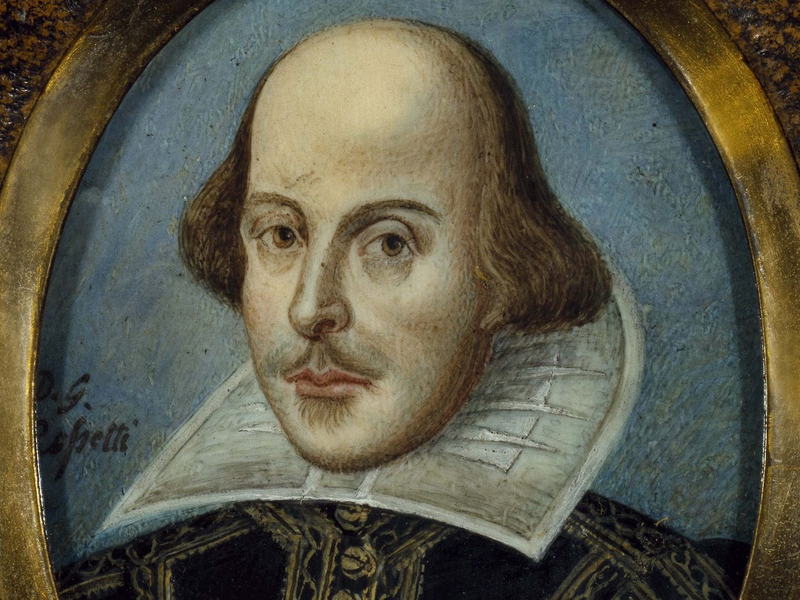
portrait-of-william-shakespeare-1564-1616-ca-1865
Literature

Shadow and Substance in Shakespeare's Venice

Portia of Belmont is a “lady richly left,” as Bassanio says of her in the first Act of The Merchant of Venice . Plus, she’s beautiful and wise. Suitors clamber to Belmont in hope. Her father knew it would be so, and in his will set up a fairy-tale test…

by Peter LeithartAugust 28, 2013
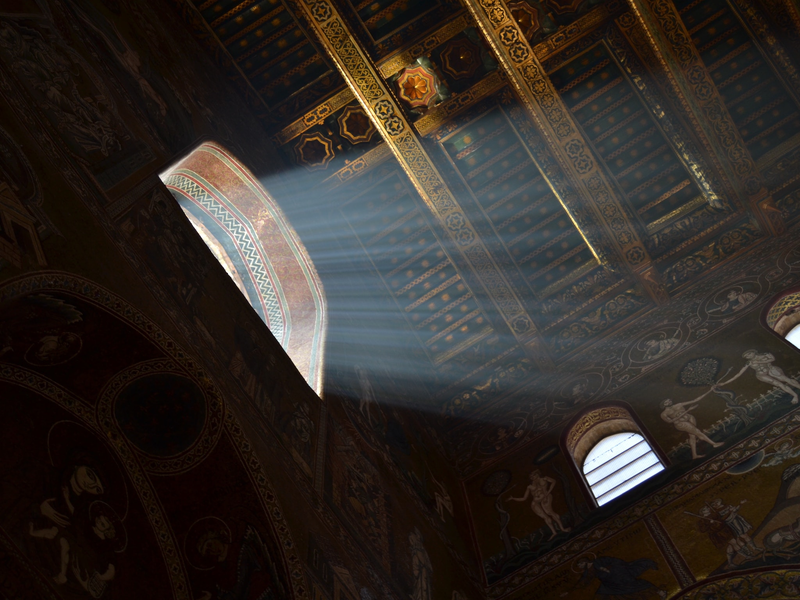
carlo-alberto-burato-smdx3gleu_m-unsplash
Liturgy

Liturgy Traps

[fve]http://vimeo.com/72195198[/fve]

by James B. JordanAugust 26, 2013
screen-shot-2022-05-12-at-12-07-23-pm
Deuteronomy

Victory Food

In the nature of the case, “the” Christian meditation on Deuteronomy 14:1-21 cannot be written. Meditation offers too many possibilities, opens too many doors. There is not one and only one correct set of associations for a Christian to consider when thinking of Deuteronomy 14:1-21. We could, for example, consider…

by Ralph Allan SmithAugust 21, 2013
aaron-burden-1ebsmyrau-s-unsplash
Romans

David's Sin and Israel's Salvation, Part I

Having retold the story of the cumulative sin of Israel leading to the great atonement on the cross, Paul then reemphasizes that, just as both Jew and Gentiles were locked into sin and judgment, now they are both justified by faith: Then what becomes of our boasting? It is excluded.…

by Mark HorneAugust 20, 2013
ben-white-w8qqn1pmqh0-unsplash
Deuteronomy

You are what you eat

Deuteronomy 14 is full of allusions to events of Israel’s history and other portions of Scripture. What would an Israelite learn by mediation on these allusions? The answer, I believe, is at least fourfold. Faith, Worship, War For the ancient Israelite first hearing Moses’ sermon, or perhaps hearing it read…

by Ralph Allan SmithAugust 15, 2013

Showing page 189 of 309

See all
See all
Philosophy

On the Idea of a “Word”

During his studies of Serbo-Croatian oral poets that contributed so much to the contemporary understanding of Homer, Albert Lord discovered that the Yugoslavian poets could not grasp the notion of “word.” They thought of language as a stream of sound, and the “units” of language were not distinct words but…

July 12, 2004
Philosophy

On the Idea of a “Word”

During his studies of Serbo-Croatian oral poets that contributed so much to the contemporary understanding of Homer, Albert Lord discovered that the Yugoslavian poets could not grasp the notion of “word.” They thought of language as a stream of sound, and the “units” of language were not distinct words but…

July 12, 2004

Eucharistic Meditation, July 11

Leviticus 21 There are many ways to describe the offerings of Israel. One of the most striking is that the offerings are God?s bread. This sounds very odd, but it would make perfect sense if we watched an Israelite offering sacrifice, or if we were in Jerusalem for one of…

July 11, 2004

Baptismal Exhortation, July 11

In the sermon this morning, we looked at the connections between Old Covenant sacrifice and New Covenant worship. The Levitical system sets the pattern for worship in the New Covenant. The sacrifice of animals is a figure, a picture of the true sacrifice, the sacrifice of praise that we offer…

July 11, 2004

Exhortation, July 11

In the sermon this morning, we will be looking at one particular kind of animal offering from the Old Testament, and looking at the system of offerings in general. As we will see, these offerings recapitulated in ritual form the major events of Israel?s history, particularly the Passover, exodus, and…

July 11, 2004

Continue in Sin?

Rom 6:1 is often described as an “antinomian” objection, but it is really a legalist’s objection. Paul does not perceive an antinomian opponent; he expects that HE will be perceived as an antinomian. One can imagine it coming from the Pharisees: You overturn Torah, and the world is thrown into…

July 10, 2004

Showing page 2074 of 2212

Browse by Category

In Medias Res

Your weekly digest for all things Theopolis.

Donate

Theopolis is nearly 100% donor-supported. Consider joining us on our mission.