Theopolis Logo

Writing

Explore our collection of theological essays, biblical studies, and reflections on faith and culture.

See all
isaiah-commission
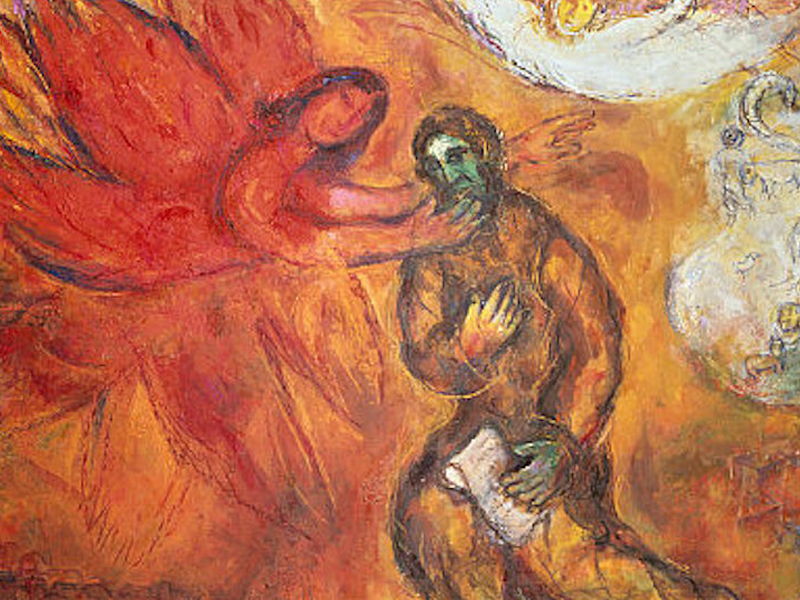
Isaiah

To An Unclean People

The book of Isaiah has a very brief introduction, one verse, and then plunges into a searing indictment of the people of Judah and Jerusalem. They are sons who do not honor their father, worse than donkeys and oxen who at least know their master. They are a bruised and…

by Peter LeithartSeptember 1, 2015

sixteen-miles-out-al48tflf4e8-unsplash
Biblical Studies

Apologia on Reading the Bible, (Part 3)

This is the third of a three-part essay. The Literary Reader As a conclusion to this essay, I want to make some observations that grow out of C. S. Lewis’s remarkable Experiment in Criticism , mentioned in an earlier installment. What Lewis is interested in doing is coming up with…

by James B. JordanAugust 27, 2015
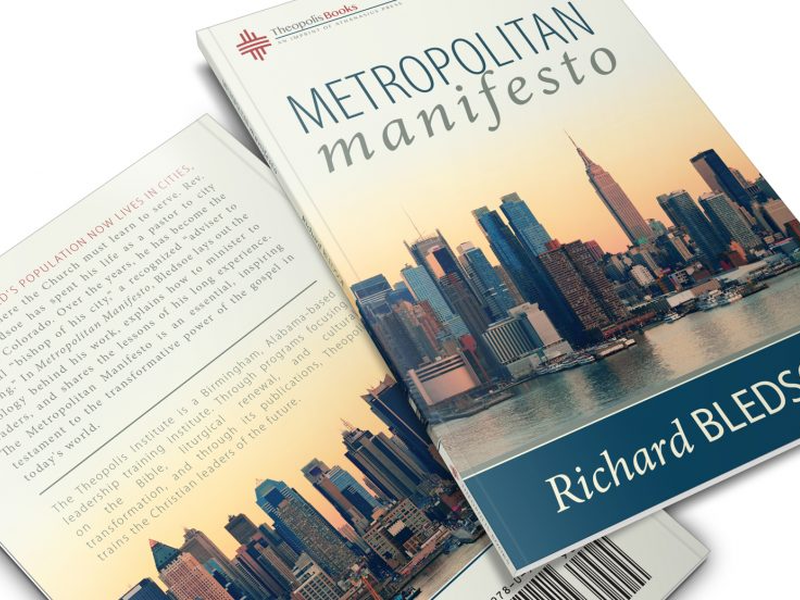
metropolitanmanifesto-3dfrontback-promo-3
Theopolis News

Metropolitan Manifesto: Available Now!

Metropolitan Manifesto, the new work from Theopolis fellow Richard Bledsoe, and first "Theopolis Books" release, is out today! Head over to the Athanasius Press website to get a copy. Half the world's population now lives in cities, and that is where the Church must learn to serve. Rev. Richard Bledsoe…

by Brian MoatsAugust 25, 2015
medievalilluminatedmanuscript
Biblical Studies

Apologia on Reading the Bible, (Part 2)

This is the second portion of a three-part essay. Learning to Read Learning to read the Bible is easier said than done, of course. There are several reasons for this, and they all have to do with the art of reading. Reading is an art and not a science, and…

by James B. JordanAugust 25, 2015
img_1069
Theopolis News

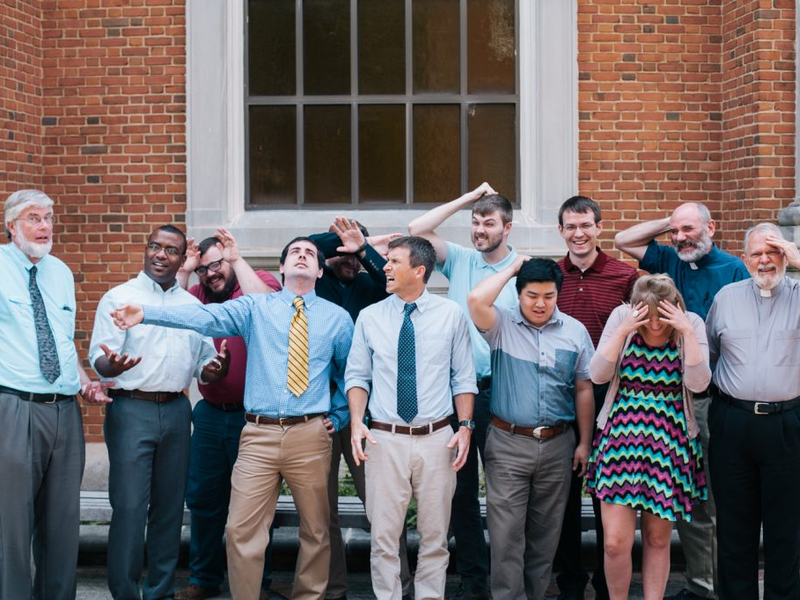
Mission to the City

“It instilled a real and abiding change in the way I understand my life as a disciple of Jesus Christ,” said Clint Hail, a Community Development Coordinator out of Dallas who attended Theopolis’ course on Mission to the City . “The course renovated the way I understand the challenges facing,…

by Brian MoatsAugust 21, 2015
hebrew-manuscript
Hermeneutics

Apologia on Reading the Bible, (Part 1)

What does it mean to read the Bible as inspired literature? The method is not new nor is it uncommon in Dutch Reformed circles. Exegesis must be Christocentric, plenary (all the text serves a theological purpose), respect the context in God’s redemptive plan, and plumb the full literary depth of…

by James B. JordanAugust 20, 2015

Showing page 145 of 309

See all
See all

Augustinian Optimism and Modern Science

P eter Harrison points out in his The Fall of Man and the Foundations of Science (10–11) that the Reformation coincided with the rediscovery of ancient skepticism. While the Reformers were undermining traditional Catholic sources of authority from one side, Montaigne and others were corroding certainty from the other. Descartes…

December 12, 2016

Apocalypse Preserved

Karl Shuve's contribution to Apocalypses in Context traces the Christian use of Jewish apocalyptic, especially of the Book of the Watchers from 1 Enoch, which even makes it into the universal canon of the New Testament (Jude). The Watcher story appears in Justin, who “blames ‘every evil' on the Watcher…

December 9, 2016

Constructing Modernity

Thomas Fabisiak wonders, What does the New Jerusalem have to do with modernity? ( Apocalypses in Context ). Ask most modern philosophers, and the answer will be, Not much. Fabisiak speaks of the “'rhetorical construction' of modernity” that takes the form of a dismissal or expulsion of apocalyptic and all…

December 9, 2016

Chess and Soviet Man

In a 2011 New Yorker profile of Norwegian chess champion Magnus Carlsen, D.T. Max digresses to explain the logic behind the Soviet interest in chess: “Lenin, an enthusiastic player, made the game a priority for the new nation. In 1920, Alexander Ilyin-Zhenevsky, a commissar of Soviet chess, wrote that chess,…

December 9, 2016

Erotics of Reading

In the middle stanzas of “Erotikos Logos,” watching someone else reading, Scott Cairns ( Slow Pilgrim , 278) writes, “So much, of course, depends upon your own willingness to find something worthy here, even as you bring - as you must - something worthy to the effort. So much of…

December 9, 2016

From Polemic to Propaganda

Andrew Pettegree ( Reformation and the Culture of Persuasion ) observes a shift in rhetorical tone in Protestant-Catholic debates between the early and mid sixteenth century: “While much of the polemical writing of Luther’s day was rumbustious in tone, making liberal use of ridicule and ad hominem attacks, it still…

December 9, 2016

Showing page 224 of 2212

Browse by Category

In Medias Res

Your weekly digest for all things Theopolis.

Donate

Theopolis is nearly 100% donor-supported. Consider joining us on our mission.