Theopolis Logo

Writing

Explore our collection of theological essays, biblical studies, and reflections on faith and culture.

See all
e99a9334
Advent

Stretching Christmas

For many people Christmas comes on December 25 and is over December 26. The tree is taken down along with the lights and the other decorations, and everyone begins setting the house in order for the new year. No more Christmas hymns. No more celebrations (well, until New Year’s Eve).…

by Steve WilkinsDecember 24, 2016
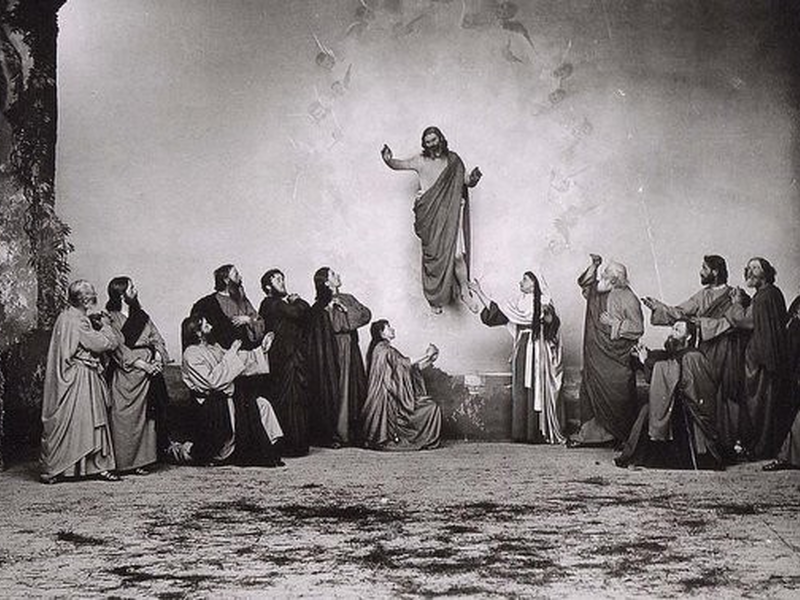
ascension
Advent

Ascension and Incarnation

The Ascension and the Incarnation should not be disconnected in our Christmas thinking or celebrations. As N.T. Wright notes, the ascension is "a central and vital feature without which all sorts of other things start to go demonstrably wrong. . . . where the ascension has been ignored or misunderstood,…

by Roy AtwoodDecember 23, 2016
nativity-rembrandt
Advent

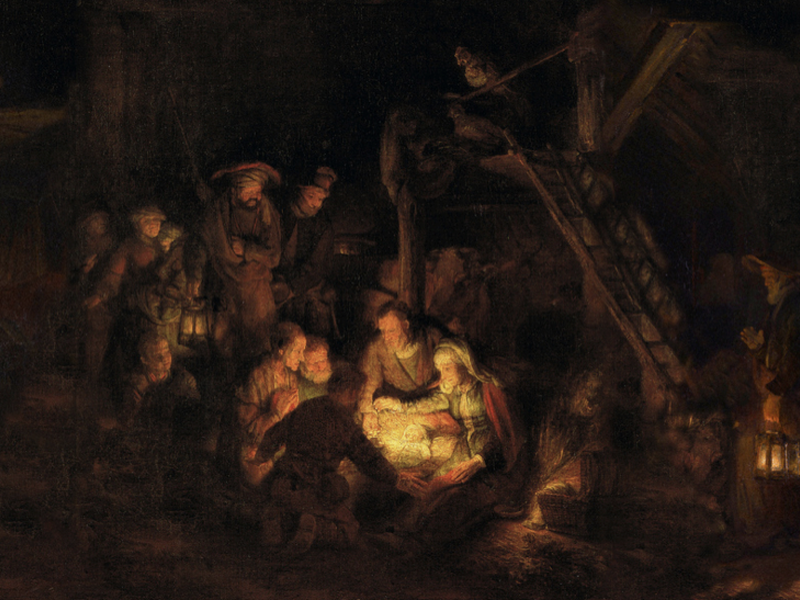
Christmas Light

“In the Word was life, and the life was the light of men. And the light shines in the darkness.” Thus John describes the incarnation of the Son. He comes as the living and life-giving light of the world. That’s good news. In the beginning, God spoke and light shone…

by Peter LeithartDecember 23, 2016
nativity-chagall
Advent

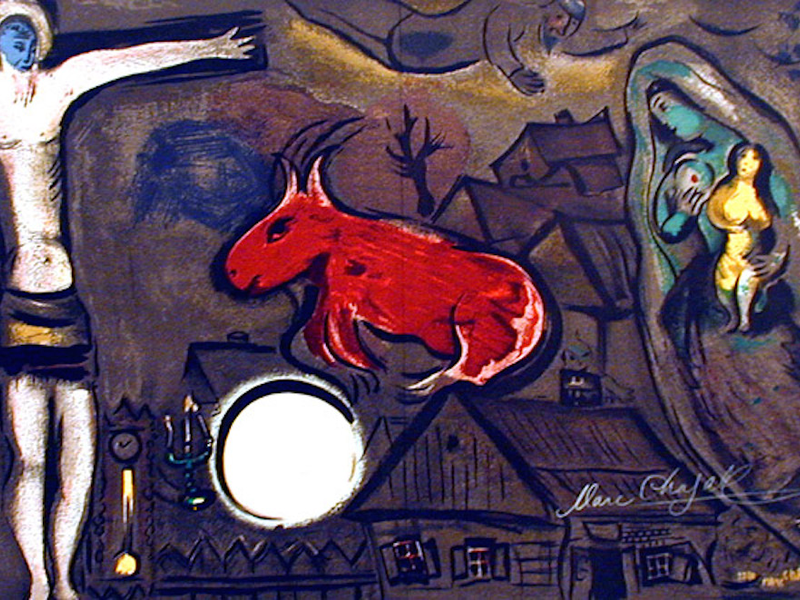
The Spirit of Christmas

Christmas is all about Jesus. The angels announce Jesus’ birth, shepherds and wise men come to see Jesus, Herod wants to kill Jesus. We occasionally think of the Father who sent the Son, but we keep returning to the Son made flesh in Bethlehem’s manger. Meanwhile, as always, the Spirit…

by Peter LeithartDecember 22, 2016
nativity
Advent

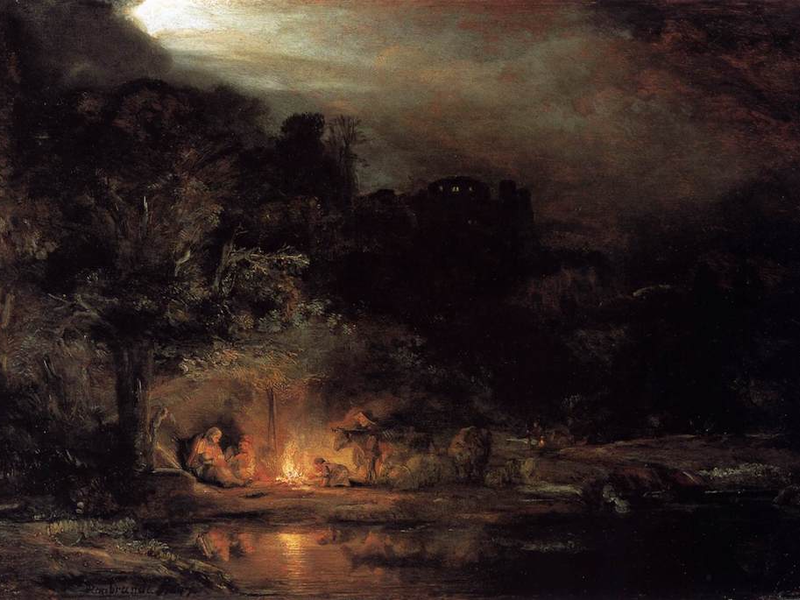
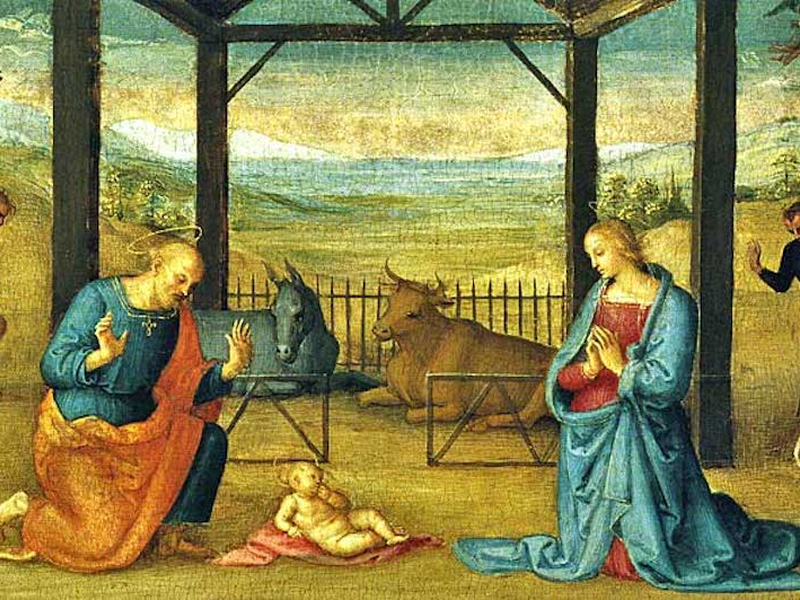
The Humility of God

Christmas is about many things, but one of the chief things revealed in the gospel of Christmas is the humility of God. We don't often think of humility as an attribute of God. If God is glorious and exalted, we think, He must be haughty and proud and self-centered. We…

by Peter LeithartDecember 21, 2016
screenshot-2025-12-15-at-8-35-45-am
Advent

Advent of Unity

John famously begins his Gospel with a piece of theology: “In the beginning was the Word, and the Word was with God, and the Word was God.” Matthew starts with a genealogy. John celebrates Advent with a hymn, Matthew with a list. For John, Jesus is the Word of creation…

by Peter LeithartDecember 20, 2016

Showing page 120 of 309

See all
See all

Sacrilege or Exaltation

T he Hebrew word ma’al is a key term in Chronicles. It means “act of unfaithfulness” or “sacrilege,” and is the sin that leads to Saul's fall (he ma’aled a ma’al , 1 Chronicles 10:13) and to the exile of Judah, whose officials and priests ma’aled a ma’al (2 Chronicles…

November 7, 2016
Reformational Catholicism

End of Protestantism

M y End of Protestantism (the book) deals with a number of the questions Doug Wilson raises in his brief review . Here I correct several of Doug’s misrepresentations and clarify some points, but mainly point to fuller discussions in the book. First, on John 17: Doug says that I’m…

November 7, 2016
American Politics

American Prestige in Freefall

W riting in The Australian , Paul Kelly views the state of American politics from Down Under. He gets some things wrong, I think, but he also nails some of the cultural and political toxins of which the 2016 Presidential debate is symptomatic. He lays much of the blame on…

November 4, 2016

Pain and Negation

I n her The Body in Pain , Elaine Scarry describes the “aversiveness” of our experience of pain. By that, she means that pain is sheerly negative, experienced as something set against us. Even though it is in us, it’s not us. Scarry writes: The first, the most essential, aspect…

November 4, 2016

Aging and the Unmaking of the World

A ge obliterates and collapses our world, writes Elaine Scarry in The Body in Pain (32-3): “the body works to obliterate the world and self of the old person. Something of this world dissolution is already at work even in the tendency of those in late middle age, no longer…

November 4, 2016

Divine Sentience

I n several places in Scripture, idols are characterized by their sensory deprivation (Psalms 115; 135). They have eyes but cannot see, ears but cannot hear prayer, noses but cannot smell incense of sacrifice. By implication, Yahweh the living God can do all these things. Elaine Scarry points out (…

November 4, 2016

Showing page 235 of 2212

Browse by Category

In Medias Res

Your weekly digest for all things Theopolis.

Donate

Theopolis is nearly 100% donor-supported. Consider joining us on our mission.