Theopolis Logo

Writing

Explore our collection of theological essays, biblical studies, and reflections on faith and culture.

See all
evangelists
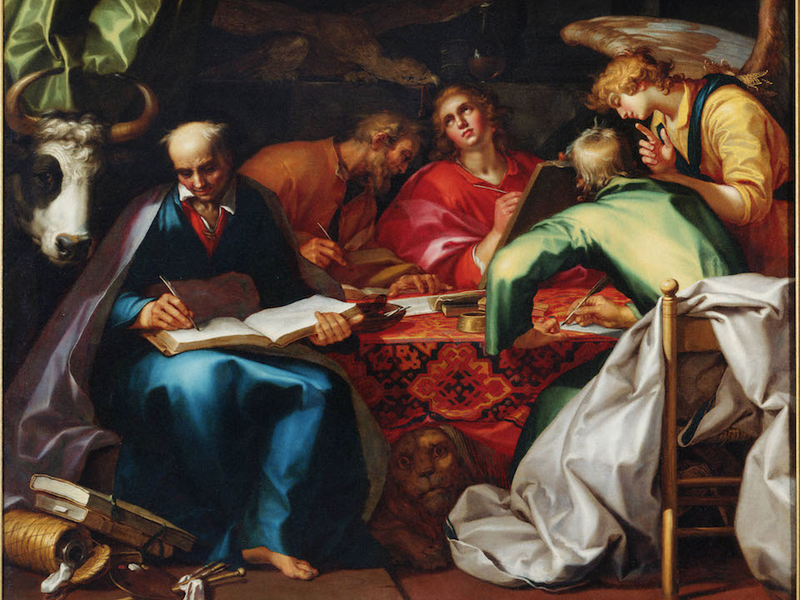
Matthew

Dating Matthew, (Part 1)

When might the Gospel according to Matthew have been written? Of course, any answer can only be speculation, but that does not mean we are reduced to groundless opinion. In this series of articles I point the way to an approach different from the general consensus among scholars today which…

by Ralph Allan SmithNovember 22, 2016
hebrew-manuscript-3
Hermeneutics

Synopticity, (Part 2)

In my first essay on “synopticity” I offered a rather rough definition of the phenomenon and important, though not exhaustive examples. In this essay, I want to introduce broader aspects of the phenomenon of “synopticity.” The first example that I have in mind is conventional stories, stories of different historical…

by Ralph Allan SmithNovember 17, 2016
screen-shot-2016-03-31-at-9-32-11-am
Ascension

Brexit and the Binding of Satan, Part 4

Since the judgment of Babel was followed by the initiation of the circumcision, the impending end of the circumcision in AD70 explains the significance of the first century miracle of foreign tongues. Except for a few Aramaic “teasers” in the book of Daniel, the Word of God was monolingual and…

by Mike BullNovember 15, 2016
four-evangelists
Hermeneutics

Synopticity, (Part 1)

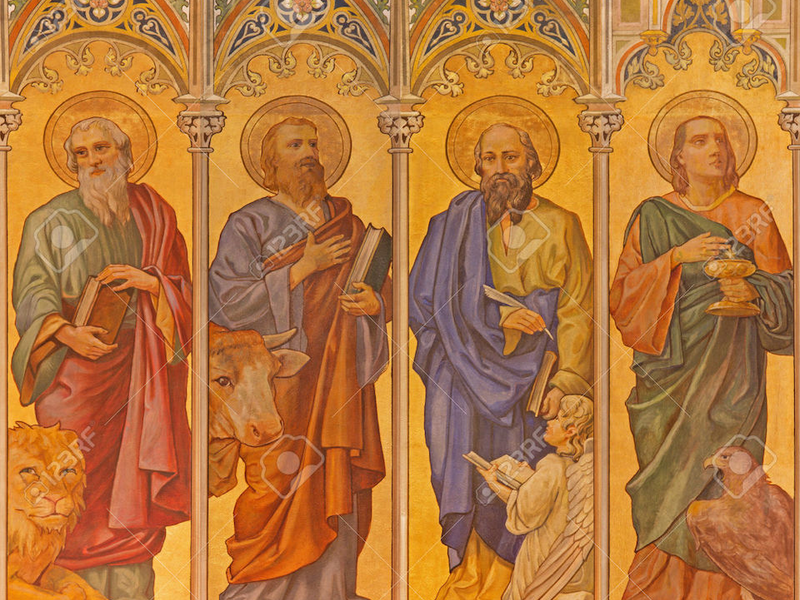
To the best of my knowledge “synopticity” is not a word used in theology or Biblical studies, but it seems an appropriate word to describe the kind of phenomena associated with the Synoptic Gospels, Matthew, Mark, and Luke. These three Gospels tell essentially the same story with significant — sometimes…

by Ralph Allan SmithNovember 10, 2016
laughing_statue_by_xxbobbiie-d5f0meh-2
Humor

Learning to Laugh

Humor is a funny thing. It is altogether familiar yet also mysterious. What makes us laugh? Why do we find things funny? There are academic fields of study dedicated to discovering what makes things humorous. These academicians even have a journal entitled International Journal of Humor Research . No joke.…

by Bill SmithNovember 8, 2016
chaucer
Literature

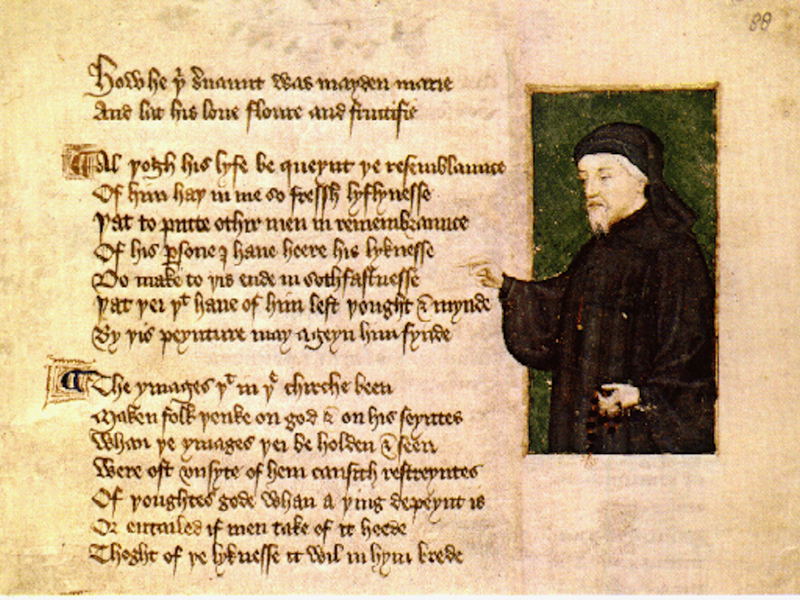
Flawed Means of Grace: Liturgy in The Pardoner's Tale

Out of all the characters in Geoffrey Chaucer’s The Canterbury Tales , the Pardoner has been called the “one lost soul.” The pious Parson, who closes out the collection of tales with a sermon on the seven deadly sins and how a sinner can absolve himself of them, connects the…

by Christian LeithartNovember 3, 2016

Showing page 122 of 309

See all
See all

Voice of Lord

I've noted before that the word “voice” appears seven times in Psalm 29. That suggests a link with creation, and we can see a general creation sequence in the Psalm: Days 1-2: In Genesis, the Spirit hovers over the waters, and then the Lord divides the waters above and below…

June 8, 2015

Ten Plagues

The Greek word “plague” ( plege ) is used 16 times in the book of Revelation, but twice we get a count of plagues. The hyacinth army of Revelation 9 breathes out the “ three plagues” of fire, smoke, brimstone (9:18). Those plagues show up later (14:10-11 [all three]; 19:20;…

June 8, 2015

A Brief Brief for Books

Derrida revived the ancient myth of Thoth, told in the Phaedrus , according to which the invention of writing was like a fall of man. Writing things down destroyed the personalism and in-placedness of speech, and eventually would destroy memory. Being a book, the Bible is understandably pro-book, and the…

June 8, 2015

Prooftext for Hell?

In a 2001 article in Evangelical Quarterly , Ralph Bowles argues that Revelation 14:10-11 does not teach that the wicked are eternally punished in hell, as many have thought. The text says that beast-worshipers will be tormented in fire and brimstone and “the smoke of their torment goes up forever…

June 5, 2015

After Denominations, What?

Suppose denominations are declining in importance. Suppose other patterns and groupings are taking their place. What form will those other patterns and groupings have? The short answer is: We don't know. No patriarch could have imagined the Mosaic system, and no priest serving the tabernacle could have anticipated all the…

June 5, 2015

Reformation and Statism

Princes didn't start the Reformation, but Mark Greengrass ( Christendom Destroyed ) says that they benefited most from it: “The empire's evolution allowed them to present themselves as its primary law-makers and keepers of the peace” (314). It was beginning already before the Reformation: “Princes and imperial cities attempted to…

June 5, 2015

Showing page 416 of 2212

Browse by Category

In Medias Res

Your weekly digest for all things Theopolis.

Donate

Theopolis is nearly 100% donor-supported. Consider joining us on our mission.