Theopolis Logo

Writing

Explore our collection of theological essays, biblical studies, and reflections on faith and culture.

See all
paul-2
Romans

Notes on Scary Stuff in Romans 9

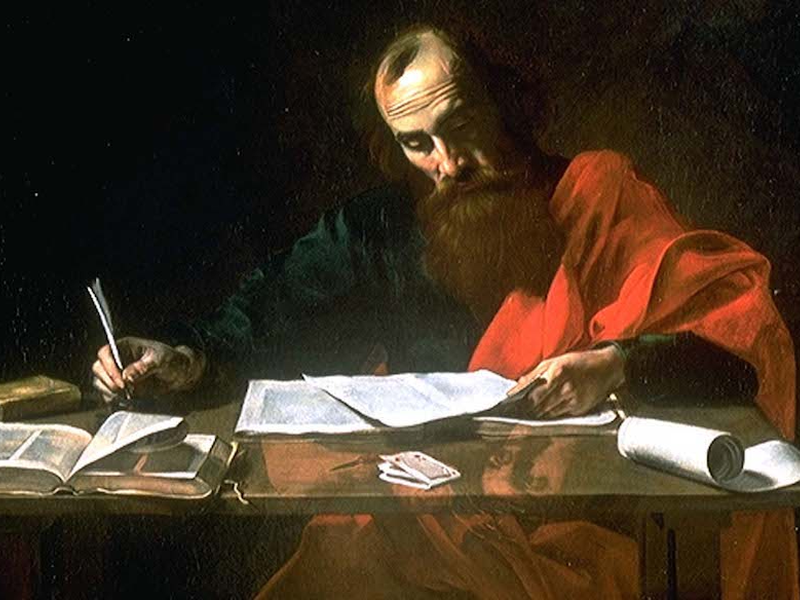
What shall we say then? Is there injustice on God’s part? By no means! For he says to Moses, “I will have mercy on whom I have mercy, and I will have compassion on whom I have compassion.” So then it depends not on human will or exertion, but on…

by Mark HorneFebruary 5, 2015
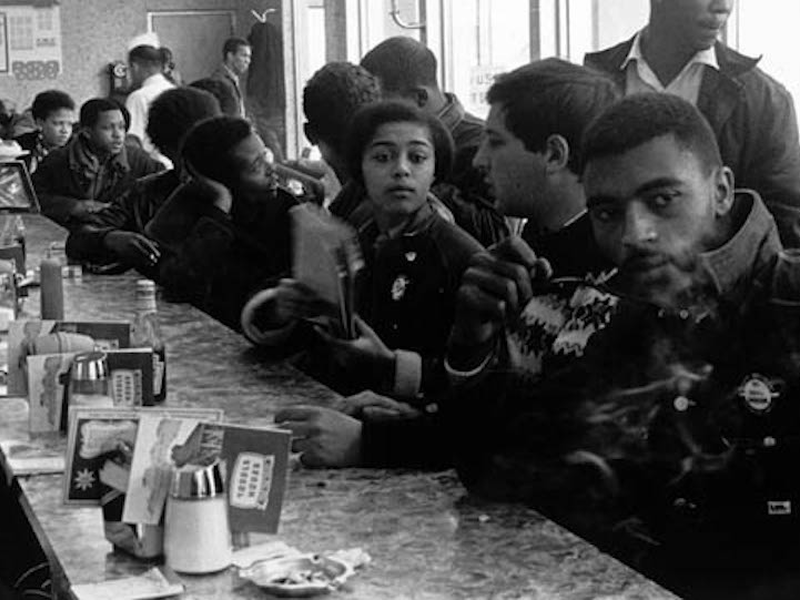
lunch-counter
American Politics

Covenants of Exclusion

A hundred years ago, William Warley signed a contract to buy a house in Louisville, Kentucky from Charles Buchanan, a white man. Before closing the sale, Warley, who was black, learned that the lot was subject to a city ordinance barring blacks from occupying the premises if most of the…

by Brendan O'DonnellFebruary 3, 2015
shakespeare-2
Literature

The Bard and the Book

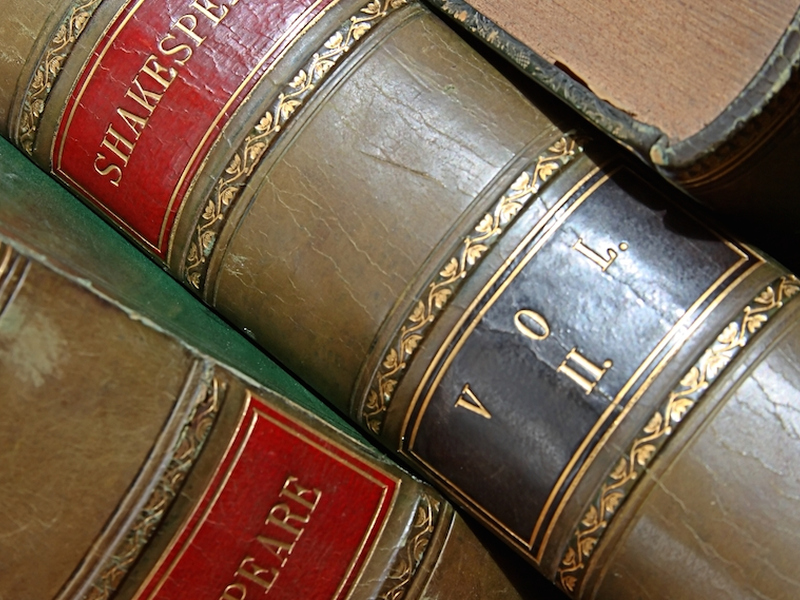
I concluded the first essay on this topic by saying that I would introduce three books about Shakespeare and the Bible, but I decided to introduce four instead. The three books become four are: Naseeb Shaheen, Biblical References in Shakespeare’s Plays (London: Associated University Presses, 1999) ; Hannibal Hamlin, The…

by Ralph Allan SmithJanuary 29, 2015
augustine-2
Augustine

Augustine on Pagan Virtue

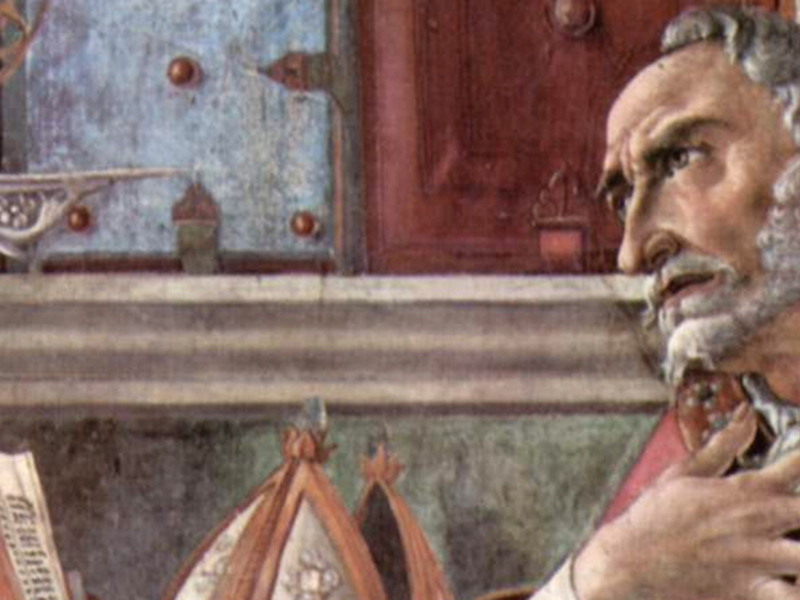
My children attend a classical Christian school, situated in the independent “free church” evangelical tradition. Over the past few years they have been growing in their acquaintance with the world of Homer, Plato, Virgil, and Livy. They enjoy it, and I envy it. The school is a great school. My…

by Gerald HiestandJanuary 27, 2015
prodigal-son
Atonement

The Prodigal and the Cross

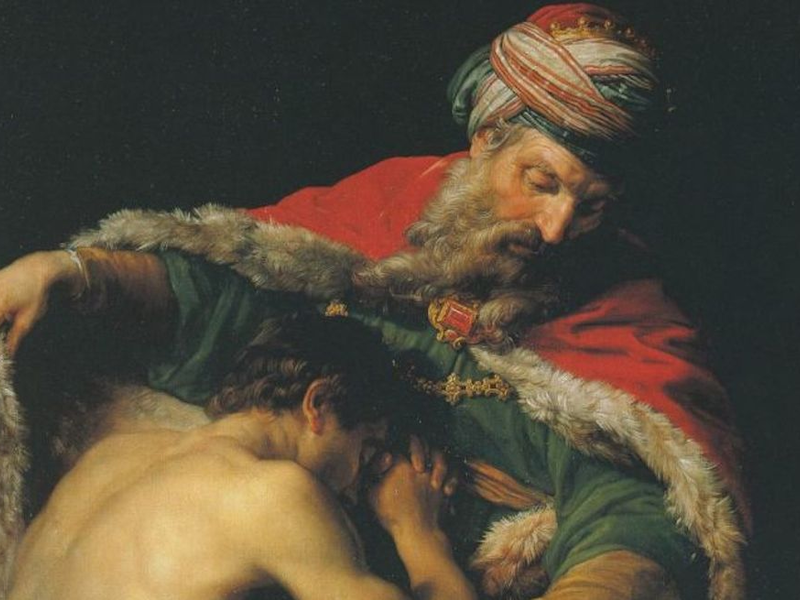
The Prodigal Son parable (Luke 15) has been a favorite of liberal theologians for a couple of centuries. It seems to be a parable designed for liberal sensibilities: An indulgent, accepting Father; forgiveness extended without a cross; a surly older brother who might represent the "conservative" face of religion who…

by Peter LeithartJanuary 22, 2015
sky-from-bridge
Ascension

Underground Man, Ascended Man

“I want now to tell you, gentlemen, whether you care to hear it or not, why I could not even become an insect. I tell you solemnly, that I have many times tried to become an insect. But I was not equal even to that. I swear, gentlemen, that to…

by Richard BledsoeJanuary 20, 2015

Showing page 161 of 309

See all
See all

Structure in Revelation 11

The account of the two witnesses (Revelation 11:3-13) is arranged in a chiastic order: A. Two witnesses, olive trees, lampstands, vv 3-4 B. Devouring enemies with fire from mouth, v 5 C. Authority to shut up heaven, turn waters, smite earth, v 6 D. Beast from abyss makes war, overcomes,…

February 18, 2015

Who's Afraid of Modern Art?

“ W ho’s afraid of modern art? ” asks Daniel Siedell. He answers, “I am.” As critic and curator, Siedell is passionately devoted to modern art. It frightens him because that is what it’s supposed to do. Munch’s The Scream , for instance, doesn’t just express the painters own anxieties.…

February 17, 2015

Rejoicing in Lament

I n the terrible trial scene in Till We Have Faces , the gods strip away layer after layer of Queen Orual’s self-justification, and when she has been laid bare, she finally has something to say to them: “Lightly men talk of saying what they mean. Often when he was…

February 17, 2015

On Missing the Main Thing

In his 1959 Luther the Expositor , Jaroslav Pelikan remarked on the tendency of church historians to neglect the main thing in theologians of the past: “Entire histories have been written - histories of a whole section of the church, of an era in church history or of a major…

February 17, 2015

God and Constantine

According to Augustine, all of Constantine’s achievements were gifts of God ( City of God , 5.25): He “gave to the Emperor Constantine, who was not a worshipper of demons, but of the true God Himself, such fulness of earthly gifts as no one would even dare wish for. To…

February 17, 2015

Reforming Council

Donald Norwood reminds us in Reforming Rome that the Reformers were eager for a ecumenical council to resolve the conflicts sparked by the Reformation. In 1560, Calvin writes, “In order to put an end to the divisions which exist in Christianity, there is need to have a free and universal…

February 16, 2015

Showing page 462 of 2212

Browse by Category

In Medias Res

Your weekly digest for all things Theopolis.

Donate

Theopolis is nearly 100% donor-supported. Consider joining us on our mission.