
Theopolis Logo

Writing

Explore our collection of theological essays, biblical studies, and reflections on faith and culture.

See all
sinitta-leunen-dvibhmzsy8e-unsplash
Epistemology

A Cheer for the Mystics

Mystical theologians are often unguarded, extreme, un-nuanced, pressing to the edges of heresy, sometimes beyond. Still, the mystics are worthy of study. Why? Many reasons. Unlike some late medieval and post-Reformation dogmaticians, mystical theologians are often instinctively and richly Trinitarian. Historical-critical approaches to Scripture left mystical theologians virtually untouched; mystics…

by Peter LeithartSeptember 2, 2013
portrait-of-william-shakespeare-1564-1616-ca-1865
Literature

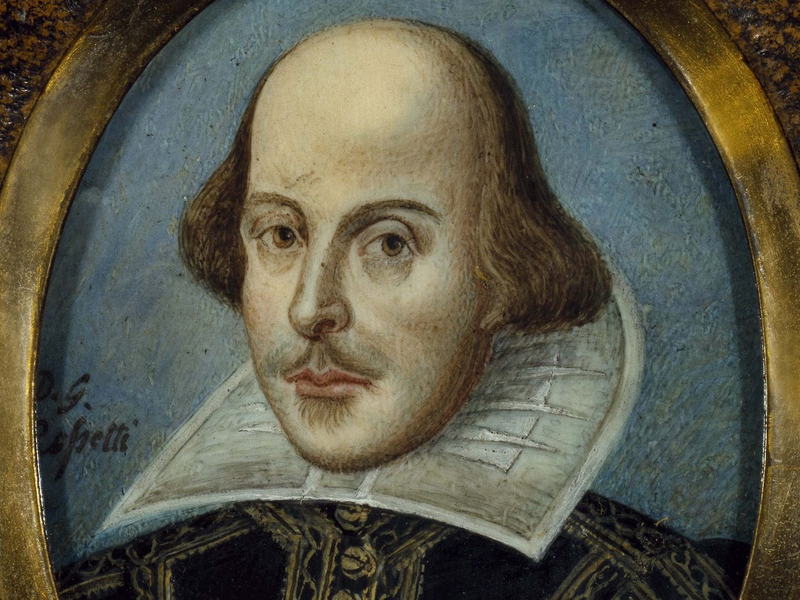
Shadow and Substance in Shakespeare's Venice

Portia of Belmont is a “lady richly left,” as Bassanio says of her in the first Act of The Merchant of Venice . Plus, she’s beautiful and wise. Suitors clamber to Belmont in hope. Her father knew it would be so, and in his will set up a fairy-tale test…

by Peter LeithartAugust 28, 2013
carlo-alberto-burato-smdx3gleu_m-unsplash
Liturgy

Liturgy Traps

[fve]http://vimeo.com/72195198[/fve]

by James B. JordanAugust 26, 2013
screen-shot-2022-05-12-at-12-07-23-pm
Deuteronomy

Victory Food

In the nature of the case, “the” Christian meditation on Deuteronomy 14:1-21 cannot be written. Meditation offers too many possibilities, opens too many doors. There is not one and only one correct set of associations for a Christian to consider when thinking of Deuteronomy 14:1-21. We could, for example, consider…

by Ralph Allan SmithAugust 21, 2013
aaron-burden-1ebsmyrau-s-unsplash
Romans

David's Sin and Israel's Salvation, Part I

Having retold the story of the cumulative sin of Israel leading to the great atonement on the cross, Paul then reemphasizes that, just as both Jew and Gentiles were locked into sin and judgment, now they are both justified by faith: Then what becomes of our boasting? It is excluded.…

by Mark HorneAugust 20, 2013
ben-white-w8qqn1pmqh0-unsplash
Deuteronomy

You are what you eat

Deuteronomy 14 is full of allusions to events of Israel’s history and other portions of Scripture. What would an Israelite learn by mediation on these allusions? The answer, I believe, is at least fourfold. Faith, Worship, War For the ancient Israelite first hearing Moses’ sermon, or perhaps hearing it read…

by Ralph Allan SmithAugust 15, 2013

Showing page 189 of 309

See all
See all

Rape and Consolatio

I n a 2013 article in Augustinian Studies , Melanie Webb argues that Augustine challenged a deeply entrenched Roman and North African “heritage of valorized suicides” in his treatment of rape, shame, and suicide in the first book of City of God . That heritage included Christian writers, like Jerome…

January 26, 2015

Guinea Pig Economy

It isn’t just Facebook. Over at Forbes.com , Parmy Olson explains how companies are not only gathering data from our computers and phones, but constantly subjecting us to tests. We have entered the Guinea Pig Economy, and everyone with an internet connection is part of the experiment: “Consumers have been…

January 26, 2015

Life By Faith

Faith is inescapable. Trust is embedded, in various ways, in all human actions. We act in order to achieve certain results, aiming at expected consequences. When we act, we trust that the actions we perform will achieve those consequences. I turn the handle on my sink, trusting that the city’s…

January 26, 2015

Mosaianic Secret

Exodus and Acts seem to offer different accounts of Moses’ killing of the Egyptian. In Exodus, there’s an emphasis on the secrecy of the act. Moses sees an Egyptian beating a Hebrew slave, looks around to see if anyone is watching, then kills the Egyptian and buries him in the…

January 26, 2015

Who Needs Books?

Naomi Baron’s Reading Onscreen argues that the value of digital reading depends on the kind of reading you’re doing: “digital reading is fine for many short pieces or for light content we don’t intend to analyze or reread.” But “eReading is less well suited for many longer works or even…

January 23, 2015
Parenting

Who needs Dads?

In his Raising An Emotionally Intelligent Child , John Gottman describes “Emotion Coaching” in parenting. This involves involves acknowledging a child’s negative emotions, using those moments of negative emotion as an opportunity to teach and engage the child, listening, helping the child put labels on his feelings, and setting parameters…

January 23, 2015

Showing page 472 of 2212

Browse by Category

In Medias Res

Your weekly digest for all things Theopolis.

Donate

Theopolis is nearly 100% donor-supported. Consider joining us on our mission.