Theopolis Logo

Writing

Explore our collection of theological essays, biblical studies, and reflections on faith and culture.

See all
temp_bg
Biblical Studies

Biblical Allusion and the Meaning of Othello

Understanding Shakespeare’s Biblical references is vital for the interpretation of many, if not all, of Shakespeare’s plays. For Othello , it is especially important, not only because the interpretation of the play is contested among various approaches — feminist, homosexual, post-colonial, Marxist, Freudian, new historical, and others — but also…

by Ralph Allan SmithJune 16, 2017

e99a9492-2
Ecclesiology

Attaining Unity: A Reply to Mike Allen

Mike Allen of Reformed Theological Seminary, Orlando, scores some points in his review of The End of Protestantism . He lodges the fair complaint that my rhetoric sometimes outruns my evidence. He argues that more stress on the present reality of the church’s unity deepens the tragedy of division; divisions…

by Peter LeithartJune 13, 2017
trinity-1-2
Eschatology

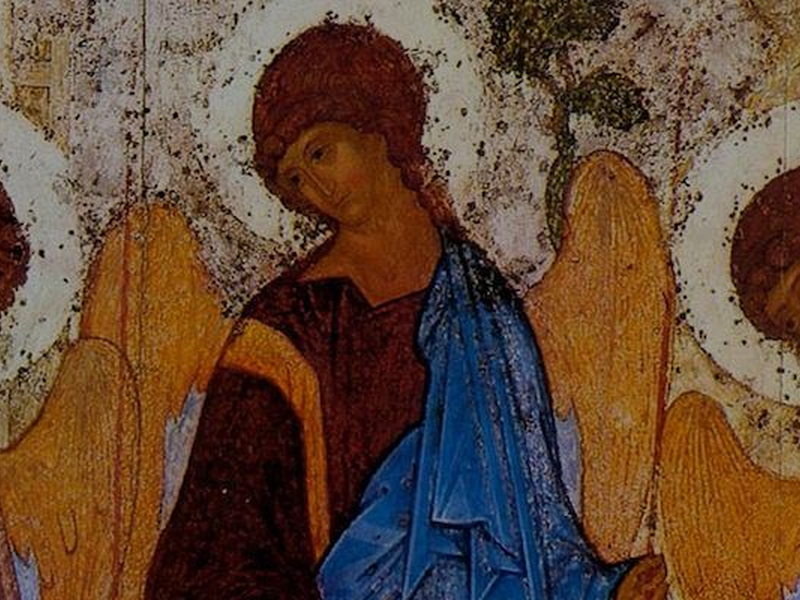
Comic Trinity

I begin with two observations. First, on any millennial view, the Christian account of history is progressive, moving from the garden to the city. It is eschatological not only in that there is an end, but that the end is a glorified beginning, not merely a return to origins. To…

by Peter LeithartJune 8, 2017
e99a2225
Ecclesiology

Political Church

The church is a new form of polity that erupts into the world as much as the Son of God comes into the world. It’s a real-world political alternative to the polities of the ancient world. It resolves many of the political dilemmas of the ancient world, though not simply…

by Peter LeithartJune 6, 2017
img_1456
Baptism

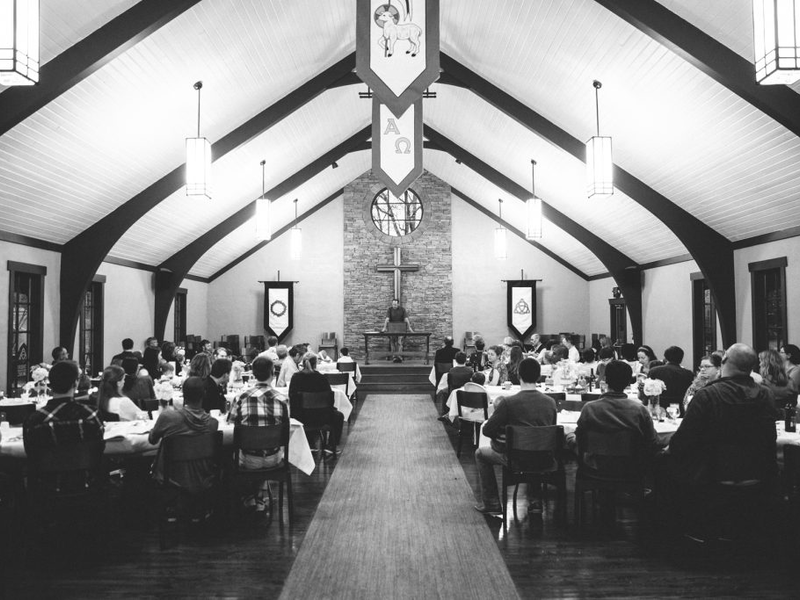
Baptism Impasse: Baptists vs. Presbyterians, (Part 2)

In my last post , I explained how Baptists really have a “one-ordinance-one sacrament” ecclesiology. I said this: “what Baptists really believe, in modern parlance, is that there is one ordinance (baptism which is a sign or symbol only) and one sacrament (the Lord’s Supper in which feeding upon Jesus…

by Mani MarprelateMay 30, 2017
medieval-knights
Political Theology

Obedience of Rulers

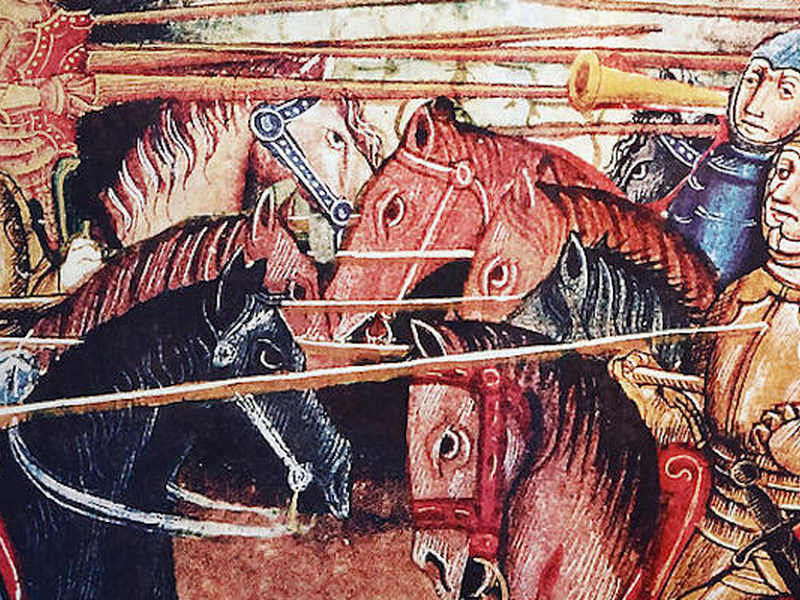
One of the most extensive and penetrating responses to the Yoder-Hauerwas attack on Constantiniansm is found in Oliver O’Donovan’s Desire of Nations , in a chapter entitled “The Obedience of Rulers.” O’Donovan defines the word “Christendom” as “a historical idea,” specifically “the idea of a professedly Christian secular political order,…

by Peter LeithartMay 30, 2017

Showing page 111 of 309

See all
See all

Derived Aseity

Aseity is the property that describes a being’s self-causation. In theology, to speak of divine aseity is to say that God exists in and of Himself. He is not derived from or dependent upon anything else. He is fully Himself in Himself and of Himself. He is a se .…

January 13, 2015

Pure and Holy

Naomi Koltun-Fromm argues ( Hermeneutics of Holiness ) that the concepts of purity and holiness, while normally distinct in the Hebrew Bible, are blurred in some passages where qadash is used in contexts that speak of purity and purification rather than of consecration. In 1 Samuel 21:6, David says that…

January 12, 2015

Holy Seed

Explaining Ezra’s concern about the mixed marriages in the restoration community, Naomi Koltun-Fromm ( Hermeneutics of Holiness ) writes, “Ezra presents Israel not only as holy but as a qodesh in its own right—a freestanding holy thing, a holy seed, a sanctum. As such, it must be protected (or in…

January 12, 2015

Catholic Historiography

In his contribution to Seeing Things Their Way , Richard Muller discusses and commends the recent effort to free church history from denominational apologetics. When the Reformers are viewed in the light of late medieval theology (as in the work of Heiko Oberman), unexpected commonalities appear: “Common ground can be…

January 12, 2015
Death

Die Alone, Live Alone

At the end of Albert Camus’s The Stranger , the narrator is on death row for killing an Arab. Death is familiar to him. It is the “black wind” that has blown through his entire life. For Camus’s Stranger, the inevitability of death makes life indifferent. It does not matter…

January 12, 2015

War of Indefinites

In his recent Zero to One , Peter Thiel sets out a neat typology of philosophy, politics, and cultural attitudes based on differing stances toward the future. He distinguishes optimists and pessimists, and subdivides each into “definite” and “indefinite.” Optimists and pessimists are obvious: One is bullish about the future,…

January 9, 2015

Showing page 478 of 2212

Browse by Category

In Medias Res

Your weekly digest for all things Theopolis.

Donate

Theopolis is nearly 100% donor-supported. Consider joining us on our mission.