Theopolis Logo

Writing

Explore our collection of theological essays, biblical studies, and reflections on faith and culture.

See all
evangelists
Matthew

Dating Matthew, (Part 1)

When might the Gospel according to Matthew have been written? Of course, any answer can only be speculation, but that does not mean we are reduced to groundless opinion. In this series of articles I point the way to an approach different from the general consensus among scholars today which…

by Ralph Allan SmithNovember 22, 2016

hebrew-manuscript-3
Hermeneutics

Synopticity, (Part 2)

In my first essay on “synopticity” I offered a rather rough definition of the phenomenon and important, though not exhaustive examples. In this essay, I want to introduce broader aspects of the phenomenon of “synopticity.” The first example that I have in mind is conventional stories, stories of different historical…

by Ralph Allan SmithNovember 17, 2016
screen-shot-2016-03-31-at-9-32-11-am
Ascension

Brexit and the Binding of Satan, Part 4

Since the judgment of Babel was followed by the initiation of the circumcision, the impending end of the circumcision in AD70 explains the significance of the first century miracle of foreign tongues. Except for a few Aramaic “teasers” in the book of Daniel, the Word of God was monolingual and…

by Mike BullNovember 15, 2016
four-evangelists
Hermeneutics

Synopticity, (Part 1)

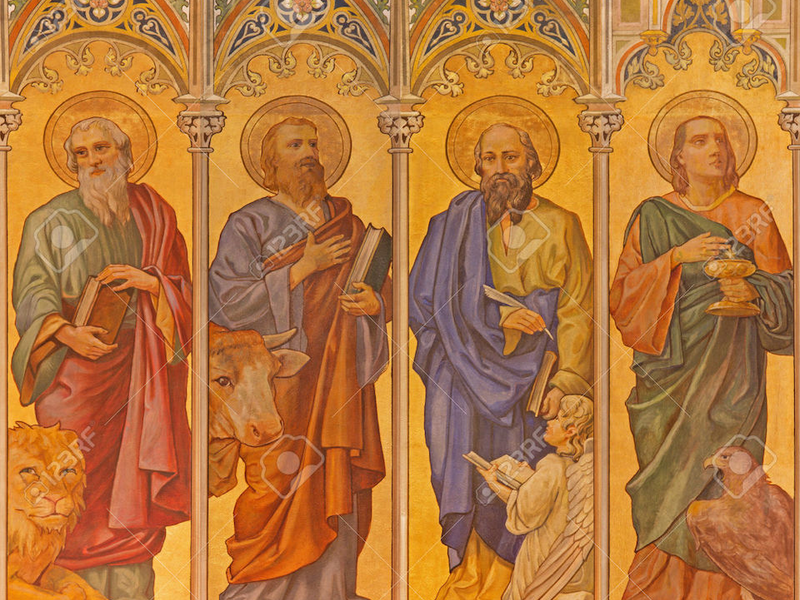
To the best of my knowledge “synopticity” is not a word used in theology or Biblical studies, but it seems an appropriate word to describe the kind of phenomena associated with the Synoptic Gospels, Matthew, Mark, and Luke. These three Gospels tell essentially the same story with significant — sometimes…

by Ralph Allan SmithNovember 10, 2016
laughing_statue_by_xxbobbiie-d5f0meh-2
Humor

Learning to Laugh

Humor is a funny thing. It is altogether familiar yet also mysterious. What makes us laugh? Why do we find things funny? There are academic fields of study dedicated to discovering what makes things humorous. These academicians even have a journal entitled International Journal of Humor Research . No joke.…

by Bill SmithNovember 8, 2016
chaucer
Literature

Flawed Means of Grace: Liturgy in The Pardoner's Tale

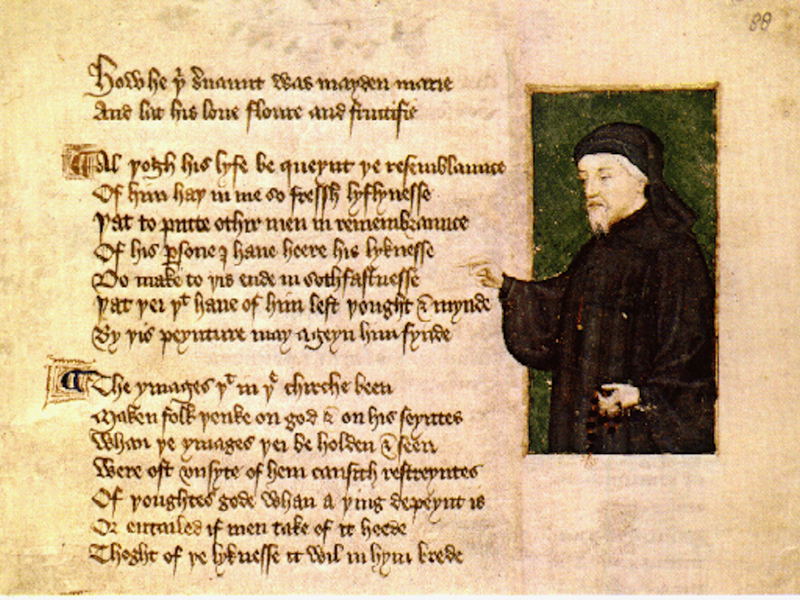
Out of all the characters in Geoffrey Chaucer’s The Canterbury Tales , the Pardoner has been called the “one lost soul.” The pious Parson, who closes out the collection of tales with a sermon on the seven deadly sins and how a sinner can absolve himself of them, connects the…

by Christian LeithartNovember 3, 2016

Showing page 122 of 309

See all
See all

Sculpting light

Traci Slatton, novelist wife of sculptor Sabin Howard, is ecstatic about sculpture. Her 2011 Art of Life is a passionate, occasionally overwrought, defense of sculpture as the master art, filled with photos of her husband’s stunning classical figures. She points out the complexity of sculpting. While a painting presents a…

July 14, 2014

Pray, Sing, Call

James ends his epistle with instructions to believers in various conditions of need. The suffering are instructed to pray, the joyful to sing, and the sick to call for the elders who will anoint the sick and raise him up. The three instructions match the three offices of Christ and…

July 12, 2014

A Place for Joy

Joy is the keynote of the new heavens and new earth that Yahweh will create, as Isaiah announces in the chiastically structured prophecy in 65:18: A. Be glad ( sus ) B. and rejoice ( giyl ) forever C. in what I myself create C’. for behold I create Jerusalem…

July 12, 2014

Potted Hope

Things are not as they should be, and Judah calls for Yahweh to descend to help. Rip the heavens, shake the earth, boil the sea; tear the three-story house of the universe apart brick by brick, but come down to help! (Isaiah 64). Judah has come to acknowledge that she’s…

July 12, 2014

End of Judeophobia

Shlomo Sand’s forthcoming How I Stopped Being A Jew is a sharp slap to the brain. He challenges many of today’s tropes of Jewishness - the notion that there is a “Jewish culture,” the exclusive attention to Jewish suffering at the hands of Nazis, the contempt of Yiddish language and…

July 11, 2014

Christian Unity

It’s one of the most dramatic illustrations of the unsurpassability of the Christian era: During the Enlightenment, secular thinkers and Deists turned against the established churches. Their reason was that the churches interfered with their hope for the unity of the human race. As Guy Stroumsa puts it ( A…

July 11, 2014

Showing page 575 of 2212

Browse by Category

In Medias Res

Your weekly digest for all things Theopolis.

Donate

Theopolis is nearly 100% donor-supported. Consider joining us on our mission.