Theopolis Logo

Writing

Explore our collection of theological essays, biblical studies, and reflections on faith and culture.

See all
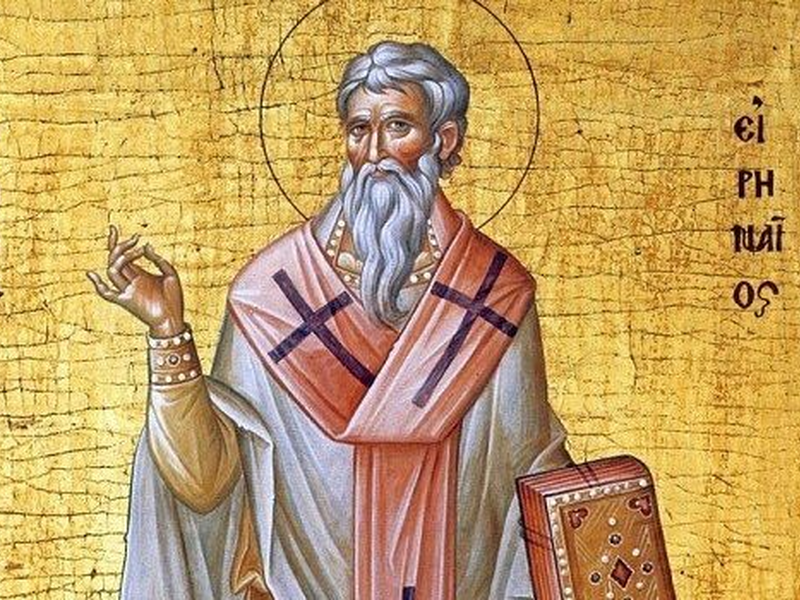
irenaeus-of-lyons-620x350
Anthropology

What Irenaeus’ Christology Teaches Us about the Goodness of our Bodies

The Christian tradition has always had an uneasy relationship with the materiality of creation. Dirt, liquid, sex, blood, and bodies—the world and the flesh stand in company with the Devil as two of the three great enemies of the saints. Mundus, caro, et diabolus , as the old Latin saying…

by Gerald HiestandSeptember 13, 2018

masada-aerial-crop
Biblical Studies

The Second Death in Liturgy and History

Since the destruction of Jerusalem was an event of earth-shattering covenantal significance, what might be the meaning of the subsequent tragic events at the desert fortress of Masada? In Hebrew, the name Masada means “strong foundation or support,” from a root meaning “to hunt, lie in wait for prey.” Located…

by Mike BullSeptember 11, 2018
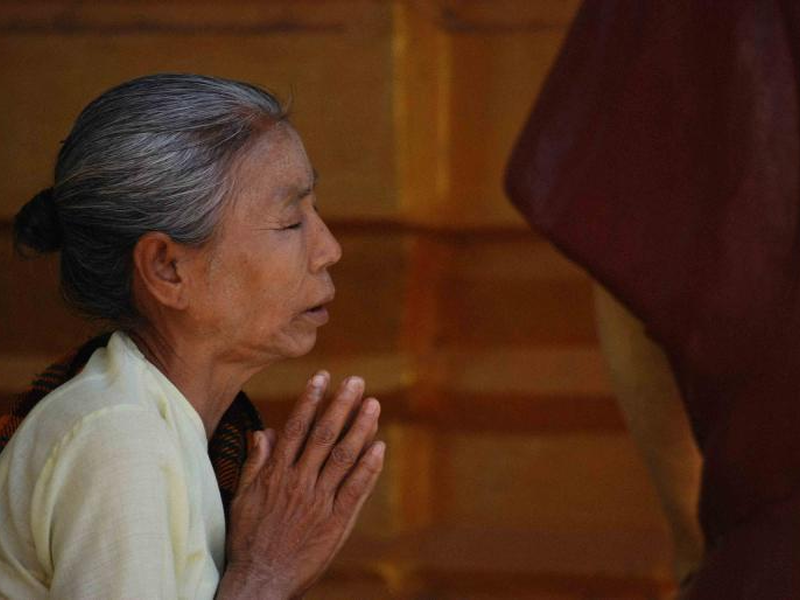
pray-442560_1920
How to Worship

Cross My Heart

Take a long look at the photo above. To whom is this woman praying? It is hard to tell, isn’t it? Suppose we watch her for a while. We may see her bow low to the floor. Her lips may move, though perhaps it is too low for us to…

by Christopher KouSeptember 6, 2018
img_7664
Biblical Theology

The Problem of Psalm 137

Psalm 137 is widely regarded as one of the meanest of the imprecatory psalms. Certainly as we read it it is seems to be a song of pure vengeance. The exiles in Babylon, in grief over the judgment that Babylon has brought upon them, pray for the destruction of that…

by James B. JordanSeptember 4, 2018
covenant-epistemology
Course Recap

A Week with Esther Meek: Course Recap

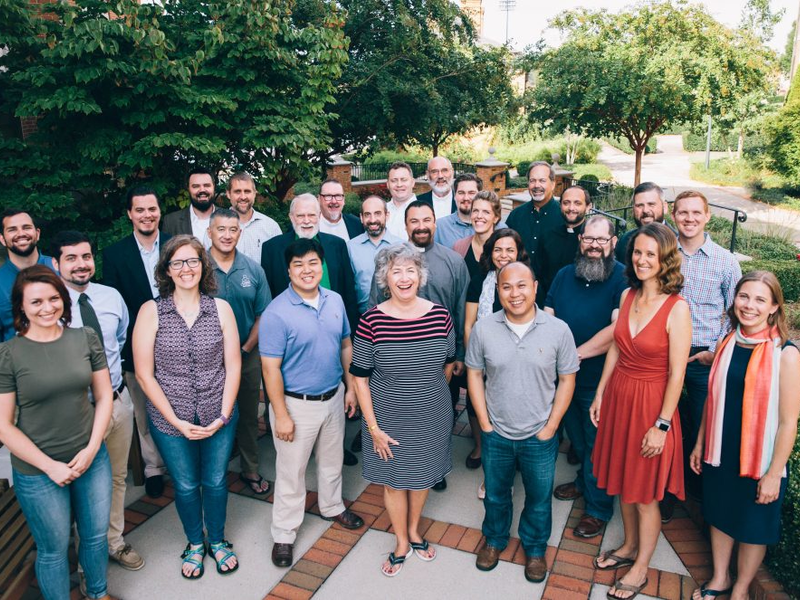
Forty men and women came from all over the United States to attend the 2018 Trinity Term course at Theopolis. Pastors, students, teachers, an electrician, a city planner, and others from a variety of denominations spent five days at Beeson Divinity School studying covenant epistemology under the tutelage of philosopher…

by TheopolisAugust 31, 2018
last-supper
Matthew

Galilee of the Gentiles

Matthew records that Jesus "withdrew" to Galilee to begin His public ministry there after He "heard that John had been delivered up" (Mt. 4:12). Matthew’s typically matter-of-fact style veils the truly remarkable character of Jesus’ withdrawal. Matthew has been presenting Jesus as the Messiah, the Seed of Abraham and Son…

by Peter LeithartAugust 31, 2018

Showing page 88 of 309

See all
See all
Uncategorized

Not Monolithic

Many Protestants still think of the Catholic church as a monolithic, uniform church. It’s been a long time since Catholics have thought of the church that way. Aloys Grillmeier sums up the results of Vatican II’s embrace of communio ecclesiology: “catholicity is understood as a union of opposites. The people…

May 24, 2014

What Science Cannot Know

Nicholas Rescher argues in Unknowability that there are certain things that logically cannot be known, such as “an idea that will never occur to any human being.” Prominent among unknowables are the unknowables of science. Given the way scientific research and discovery work, it is impossible for present science to…

May 24, 2014

Can the Dead Praise?

Heaven, earth, sea: That three-decker universe is standard-issue in biblical cosmology (Exodus 20:11; Psalm 69:34; 96:11; 135:6; 146:6; Revelation 10:6). Occasionally a second heaven is added to the scheme (Nehemiah 9:6). But when the Lamb ascends to take the book, praise arises from four dimensions of creation: heaven, earth, under…

May 23, 2014

Semper, ubique, ab omnibus?

Thomas Guarino ( Vincent of Lerins ) outlines Newman’s arguments against the Vincentian canon (orthodoxy is what is taught always, everywhere, by everyone). In his Essay on Development , Newman provides historical examples “to demonstrate that the first rule is, at beast, a leaky and dubious criterion. As Newman boldly…

May 23, 2014
Uncategorized

Fresh Logic

In his preface to Receptive Ecumenism , Paul Murray explains that the “driving assumption is that if all were to be asking and acting upon this question, even relatively independently of each other, then all would be moving, albeit somewhat unpredictably, and in such a fashion as might open up…

May 23, 2014

Receptive Ecumenism in Practice

As Avery Dulles recounts it in The Catholicity of the Church , the reforms of Vatican II came partly from what Paul Murray calls “ receptive ecumenism ,” an ecumenism of attentive listening to the other. Dulles wasn’t exactly a receptive ecumenist himself. While acknowledging that “the Church can certainly…

May 23, 2014

Showing page 603 of 2212

Browse by Category

In Medias Res

Your weekly digest for all things Theopolis.

Donate

Theopolis is nearly 100% donor-supported. Consider joining us on our mission.