Theopolis Logo

Writing

Explore our collection of theological essays, biblical studies, and reflections on faith and culture.

See all
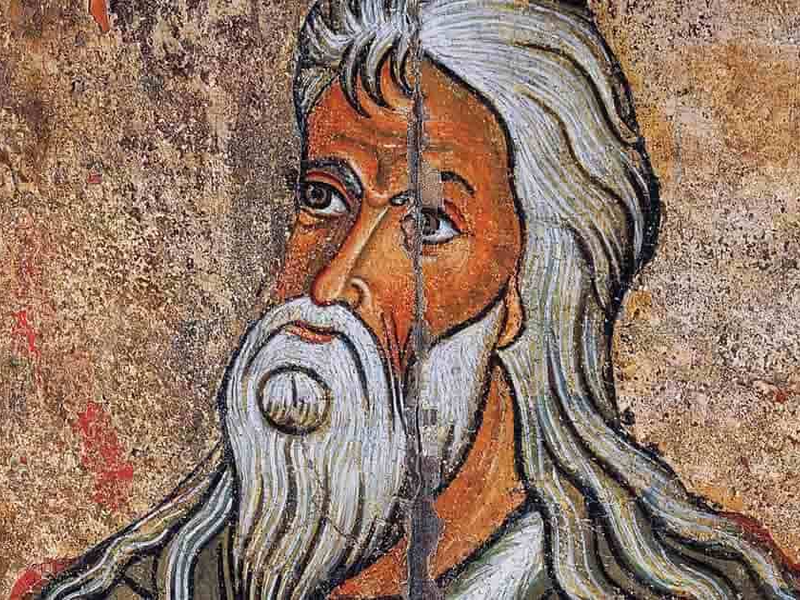
elijah-1200x630-min
Biblical Horizons

Elijah’s Exodus

1 Kings 17, which abruptly introduces Elijah into the history of the northern kingdom, is a carefully constructed literary unit. In its basic structure, it follows a clear exodus-return pattern. Like Jacob and his sons, Elijah was driven out of the land by a famine (vv. 1-4). In exile, Elijah…

by Peter LeithartJune 17, 1992

ales-krivec-4mibe6zg5r0-unsplash
Biblical Studies

All Things New

Now the Pharisees, who were lovers of money, were listening to all these things and they were scoffing at Him. And He said to them, "You are those who justify yourselves in the sight of men, but God knows your hearts; for that which is highly esteemed among men is…

by Mark HorneJune 6, 1992
aaron-burden-h8s0pf2rcqs-unsplash
Biblical Chronology

Chronologies and Kings, Part 11: The Knots of 2 Kings 11-14

In the year 3119, Ahaziah of Judah and Jehoram of Israel were both slain by Jehu as he carried out his God-appointed task of eliminating the seed and house of Ahab (2 Kings 9:13-33). Since the kings of Israel are usually counted as beginning their reign in the same year…

by James B. JordanMay 24, 1992
trnava-university-beeyeib-am8-unsplash
Biblical Studies

Gleanings from Robert Alter’s "Art of Biblical Narrative"

One of the most important developments in Biblical studies in recent years has been a movement of scholars devoted to studying the literary techniques of the Biblical writers. Tremper Longman, III of Westminster Theological Seminary has treated this movement from a Reformed perspective in his Literary Approaches to Biblical Interpretation…

by Peter LeithartMay 17, 1992
ian-schneider-iqbc4vu4ypq-unsplash
Biblical Horizons

Tentmaking

And because [Paul] was of the same trade, he stayed with [Aquila and Priscilla] and they were working; for by trade they were tentmakers (Acts 18:3). The fact that Paul was by trade a tentmaker has usually been taken as the springboard for a discussion of whether pastors should have…

by James B. JordanApril 24, 1992
screen-shot-2022-05-12-at-12-07-23-pm
Biblical Studies

Chronologies and Kings, Part 10: Jehoram of Judah

I pointed out in Chronologies and Kings Part 9 that the years of Judah’s kings are given in chronological fashion. "When we read of a Judahite king’s reign as lasting 4 years, it means that 4 years of the chronology have been given to him, and there is no chronological…

by James B. JordanApril 24, 1992

Showing page 290 of 309

See all
See all

Instructions for writers

For aspiring writers, I offer five key stages of writing a book. My plan applies best to non-fiction. Fiction, I’m sure, has its own rhythms. Stage 1: Ambition. You want to write the definitive yet wildly popular book about everything. This stage is marked by long periods of dreamy reflection,…

November 28, 2012
History

Conform or Go Away

Writing about the church of England’s rejection of female bishops in The New Yorker , Jane Kramer notes that “there are already calls for the disestablishment of the Church of England.” She doesn’t see that as a realistic possibility, but does think that there will be consequences: “there is some…

November 28, 2012

Salvation by/as argument

“Though He slay me, I will hope in Him,” Job says (13:15). But hope is not inconsistent with complaint. In hope, “I will argue my ways to His face,” he immediately adds. Job argues with the Lord not in spite of hope, but because of hope. He’s like an attorney…

November 28, 2012

Irrepressible church

I’ve argued in various contexts that the sheer existence of the church forces a choice on political powers. They can try to suppress the church, they can accommodate and make room, they can try to bound off the church and keep it safely private. But once the church exists, and…

November 28, 2012

Be first second

In his contribution to The Word Leaps the Gap: Essays on Scripture and Theology in Honor of Richard B. Hays , John Barclay highlights the creativity of Paul’s notion of reciprocity in the church. Reciprocity as Paul conceives it “has the capacity to complicate power relations, and to work against…

November 28, 2012

No debts

Residing as we do in a monetary economy, we immediately and thoughtlessly translate biblical warnings and cautions about debt into financial terms. “Owe nothing to anyone” (Romans 13:8) means “don’t take out a thirty-year mortgage.” It’s much more likely that Paul has social debts in mind. This might include indebtedness…

November 28, 2012

Showing page 839 of 2212

Browse by Category

In Medias Res

Your weekly digest for all things Theopolis.

Donate

Theopolis is nearly 100% donor-supported. Consider joining us on our mission.