Theopolis Logo

Writing

Explore our collection of theological essays, biblical studies, and reflections on faith and culture.

See all
shipwreck
Movies

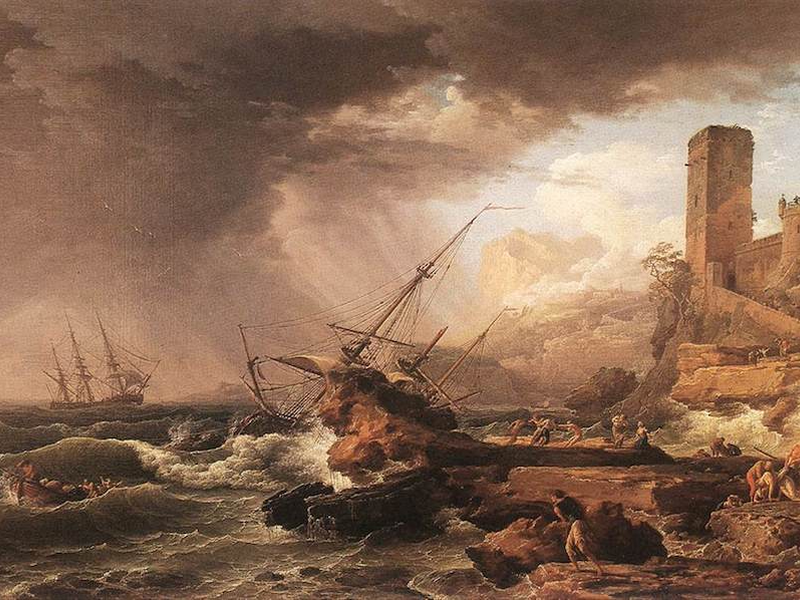
Separation and the Sea: All Is Lost and Cast Away

“13th of July, 4:50 pm. I'm sorry. I know that means little at this point, but I am. I tried, I think you would all agree that I tried. To be true, to be strong, to be kind, to love, to be right. But I wasn't. And I know you…

by Remy WilkinsSeptember 22, 2016
priscilla
Ecclesiology

Priestesses?

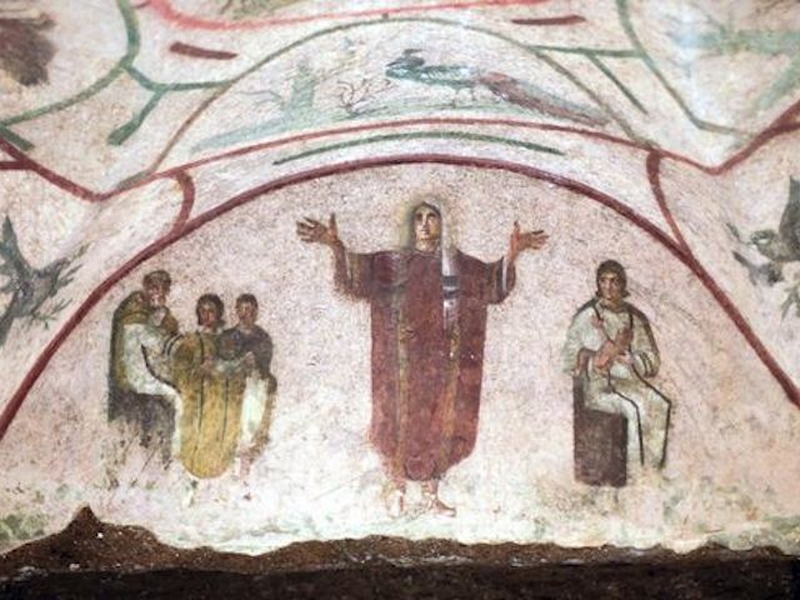
CS Lewis's 1948 essay on “Priestesses in the Church” strikes a reader today as simultaneously quaintly naive and trenchantly prescient. The naive part comes near the beginning, where Lewis describes the decision to take “a revolutionary step.” It would “cut ourselves off from the Christian past and to widen the…

by Peter LeithartSeptember 20, 2016
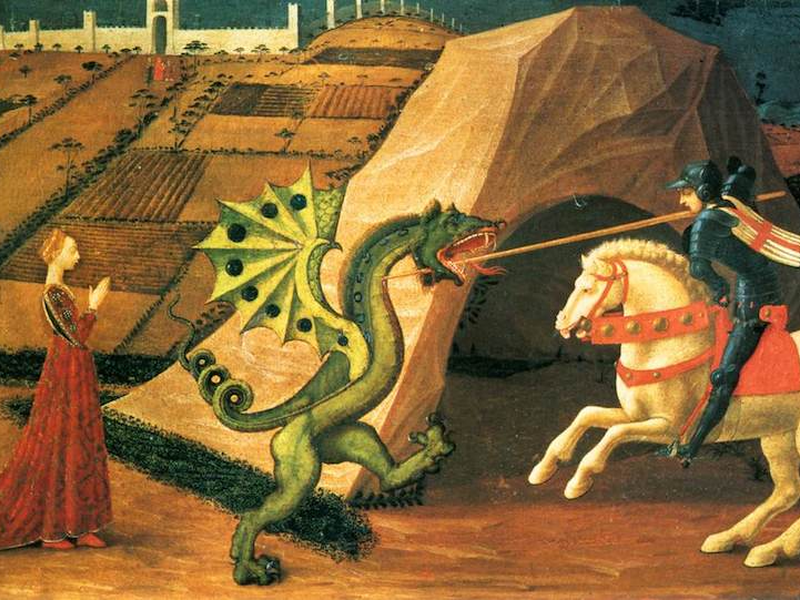
st-george-dragon
Literature

Serpents First

Imagine a version of the Lord of the Rings beginning with Sauron riding into the Shire and lopping off heads in a mad search for the ring, driving Frodo to flight from the beginning, helter-skelter and harried. While, no doubt, some Hollywood exec is at this moment scrambling to reboot…

by Remy WilkinsSeptember 15, 2016
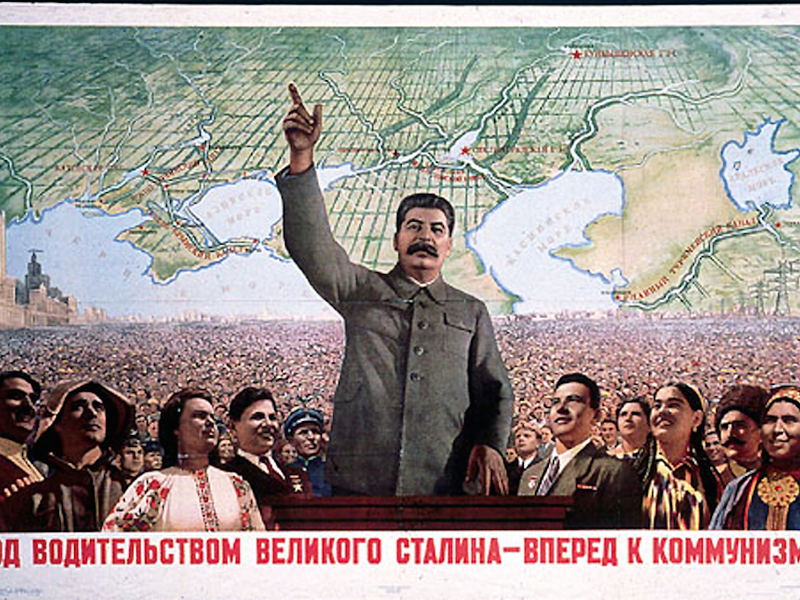
stalin-propaganda-poster
Communism

Socialism Without Society

A Communist Confession of Faith states that the aim of the Communists is “to organize society in such a way that every member of it can develop and use all his capabilities and powers in complete freedom and without thereby infringing the basic conditions of this society.” This aim can…

by Bogumil JarmulakSeptember 13, 2016
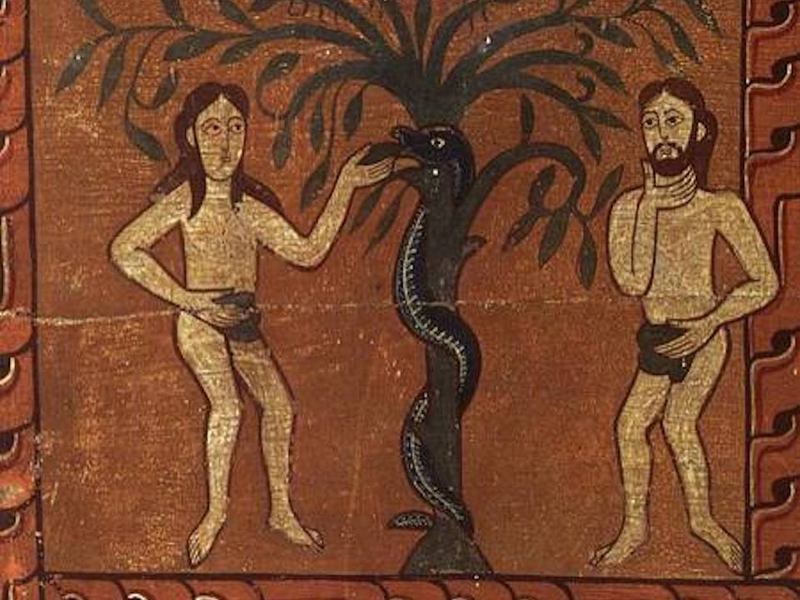
ind54453
Biblical Theology

The Falls of Man

The story of the Fall enjoys a peculiar place in Christian thought. Together with the creation account in the two chapters that precede it, it is one of the few Old Testament narratives consistently to escape the relative neglect the Hebrew Scriptures often suffer. While the characters of Abraham, Moses,…

by Alastair RobertsSeptember 8, 2016
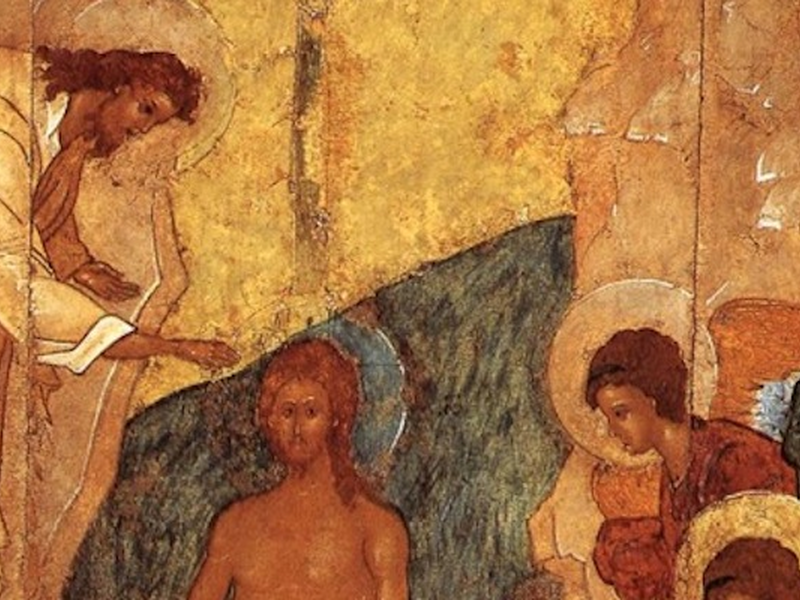
jesus-baptism
Baptism

Water, Spirit, and Fire, (Part 3)

In the previous essay, we saw that fire is a work of the Holy Spirit. The two are related so closely that they cannot be separated. Now we turn our attention to the Spirit's relationship to water. Many have understood Spirit baptism to be a dry baptism, one that is…

by Adam McIntoshSeptember 6, 2016

Showing page 125 of 309

See all
See all

Adorned with Gentiles

Isaiah 49 is reassurance to Zion that Yahweh has not forgotten her. Her walls are continuously ( tamid ) before Yahweh, like the sacrifices and showbread (v. 16). And Yahweh goes beyond the assurance of His concern to promise that Zion will be surrounded by gathered people, returned exiles and…

November 2, 2012

Euphony in Isaiah 49

The Hebrew of Isaiah 49:17 is beautifully symmetrical. Transliterated, it reads: miharu banayik meharsayik umacharivayik mimmek yetze’u . The endings of the six words form a neat pattern: one - u followed by four words ending with the second person singular pronomial suffix ( k ), and then another -…

November 2, 2012

Wombs

The Hebrew word beten frequently means “womb” (Genesis 25:23; Number 5:22; Psalm 22:9-10; 71:6; Jeremiah 1:5). In a few instances, though, the word is used in unusual contexts. When Yahweh offers Ezekiel a scroll to eat, He orders him to eat it with his beten and to fill his “bowels”…

November 1, 2012

God Needs Nothing

God has no needs. Philo, Seneca, and classic Christian theology agree on that. But I think the explanation differs. Seneca ( On Benefits (The Complete Works of Lucius Annaeus Seneca) , bk. 4) explains that “God bestows upon us very many and very great benefits, with no thought of any…

November 1, 2012
History

Plagues and purity

The Christian conviction that Jesus had defeated the powers and brought an end to old rites had major effects on early Christian social engagement, Gary Ferngren implies in his 2009 Medicine and Health Care in Early Christianity . “Before the advent of Christianity,” he says, “there was no concept of…

November 1, 2012
Literature

Joyce, Synopticist

For all its reputation for iconoclasm, modernism, says Robert Alter in Canon and Creativity: Modern Writing and the Authority of Scripture (The Franz Rosenzweig Lecture Series) , is more accurately described as a “paradoxical amalgam of iconoclasm and hypertraditionalism” (p. 8). Alter’s book explores this phenomenon, along with the “double…

November 1, 2012

Showing page 854 of 2212

Browse by Category

In Medias Res

Your weekly digest for all things Theopolis.

Donate

Theopolis is nearly 100% donor-supported. Consider joining us on our mission.