Theopolis Logo

Writing

Explore our collection of theological essays, biblical studies, and reflections on faith and culture.

See all
tim-marshall-k2u71wv2ei4-unsplash
Modernity

Protestantism and the Postmodern self

Postmodernism has, we are told, “decentered” the modern self, that unified, sovereign, isolated, godlike “thinking thing” discovered by Rene Descartes. The postmodern self is not single but multiple; not sovereign but controlled by external forces; not isolated but “embedded” in the world and in relation; not godlike, but human, all…

by Peter LeithartMay 6, 2013

kiwihug-l4gw27xzn1i-unsplash
Matthew

Law and History: How to Read the Law of Moses (Part 8)

This is the eighth in a series of studies on Deuteronomy 22:30-23:8. And Jesus went out thence, and withdrew into the parts of Tyre and Sidon. And behold, a Canaanitish woman came out from those borders, and cried, saying, Have mercy on me, O Lord, thou son of David; my…

by Ralph Allan SmithMay 1, 2013
screen-shot-2023-09-20-at-7-04-07-am
Augustine

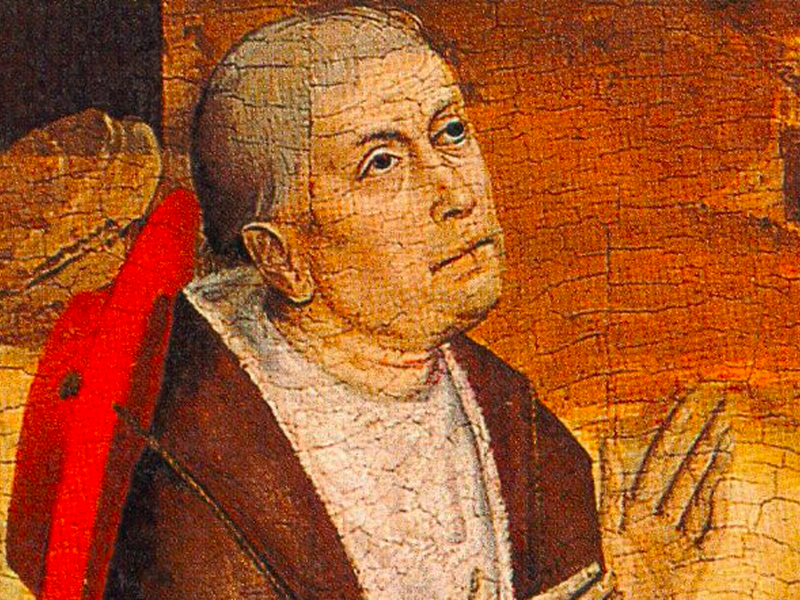
A Cusan Modernity?

The fifteenth-century German Cardinal Nicholas of Cusa led a busy and wide-ranging life. Educated in liberal arts and law at Heidelberg and Padua, Nicholas was a leading figure in the Conciliarist movement, and later served as a papal legate to both Constantinople and throughout Germany. As Bishop of Brixen, he…

by Peter LeithartApril 29, 2013
screenshot-2023-07-27-at-10-25-35-am
Deuteronomy

Law and History: How to Read the Law of Moses (Part 7)

This is the seventh in a series of studies on Deuteronomy 22:30-23:8. Thou shalt not abhor an Edomite, for he is thy brother; thou shalt not abhor an Egyptian, because thou wast a sojourner in his land. The children of the third generation that are born unto them shall enter…

by Ralph Allan SmithApril 25, 2013
ivan-aleksic-16yxcjsoaek-unsplash
Romans

What Advantage the Jew?

A sermon on Romans 3:1-8. 1 Then what advantage has the Jew? Or what is the value of circumcision? 2 Much in every way. To begin with, the Jews were entrusted with the oracles of God. A lot of people speculate here about what kind of advantage Paul is talking…

by Mark HorneApril 22, 2013
screenshot-2023-07-27-at-10-25-35-am
Deuteronomy

Law and History: How to Read the Law of Moses (Part 6)

This is the sixth in a series of studies on Deuteronomy 22:30-23:8. An Ammonite or a Moabite shall not enter into the assembly of Yahweh; even to the tenth generation shall none belonging to them enter into the assembly of Yahweh forever: because they met you not with bread and…

by Ralph Allan SmithApril 17, 2013

Showing page 195 of 309

See all
See all
Philosophy

Pure gift

In his Reveries of the Solitary Walker (Oxford World’s Classics) , Rousseau muses on the “complete and utterly disinterested benevolence” that he would show if he could avoid “forming an attachment to anyone in particular” and “taking on the burden of any responsibilities.” If only he could be entirely anonymous,…

September 19, 2012

Trinity Institute - What They’re Saying

It was Jodocus van Lodenstein, the Dutch reformer, who first coined epigram, ‘Ecclesia reformata semper reformanda est secundum Verbum Dei: the church is reformed and always being reformed according to the Word of God.’ Central to that ongoing reforming work in our day is the recovery of richly Biblical worship.…

September 19, 2012

Sermon notes

INTRODUCTION As He has done before (Isaiah 41:1), Yahweh again summons the peoples to court to present their cases against Him (43:8-9). In the courtroom of history, Israel is a witness in Yahweh’s favor (43:10, 12; 44:8), proving that Yahweh alone is God (43:10). At the center of His defense…

September 17, 2012

Un-Angry God

Patrick Coleman notes in his Anger, Gratitude, and the Enlightenment Writer (pp. 9-10) that early Enlightenment writers didn’t necessarily dismiss God. They merely defanged him: “Enlightenment writers were acutely conscious of the ways in which secular as well as ecclesiastical authorities could brandish the image of an angry God to…

September 15, 2012
Politics

Limited government

Locke ( Two Treatises of Government ) argues that political authority, because it exists only by the consent of free people, cannot exercise power beyond the purposes for which it was constituted. Because it exists for the protection of property, it cannot have power to take property without consent. He…

September 15, 2012
Biblical Studies

Father and mother

At the beginning of the first of his Two Treatises of Government , John Locke refutes the Scriptural arguments of Robert Filmer’s Patriarcha ( Filmer: ‘Patriarcha’ and Other Writings (Cambridge Texts in the History of Political Thought) ). Filmer claims that political authority is grounded in paternal authority, and characterizes…

September 15, 2012

Showing page 871 of 2212

Browse by Category

In Medias Res

Your weekly digest for all things Theopolis.

Donate

Theopolis is nearly 100% donor-supported. Consider joining us on our mission.