Theopolis Logo

Writing

Explore our collection of theological essays, biblical studies, and reflections on faith and culture.

See all
aaron-burden-h8s0pf2rcqs-unsplash
Galatians

The Restoration of the Galatians

While controversies over the writings of Paul continue in various corners of the intellectual globe, the word of God given through Paul and his scribe and all of the church’s interpreters and translators over the last two millennia is still readily available to the lofty and the lowly. Paul, as…

by Grace LangnessMarch 25, 2013

kiwihug-l4gw27xzn1i-unsplash
Deuteronomy

Law and History: How to Read the Law of Moses (Part 2)

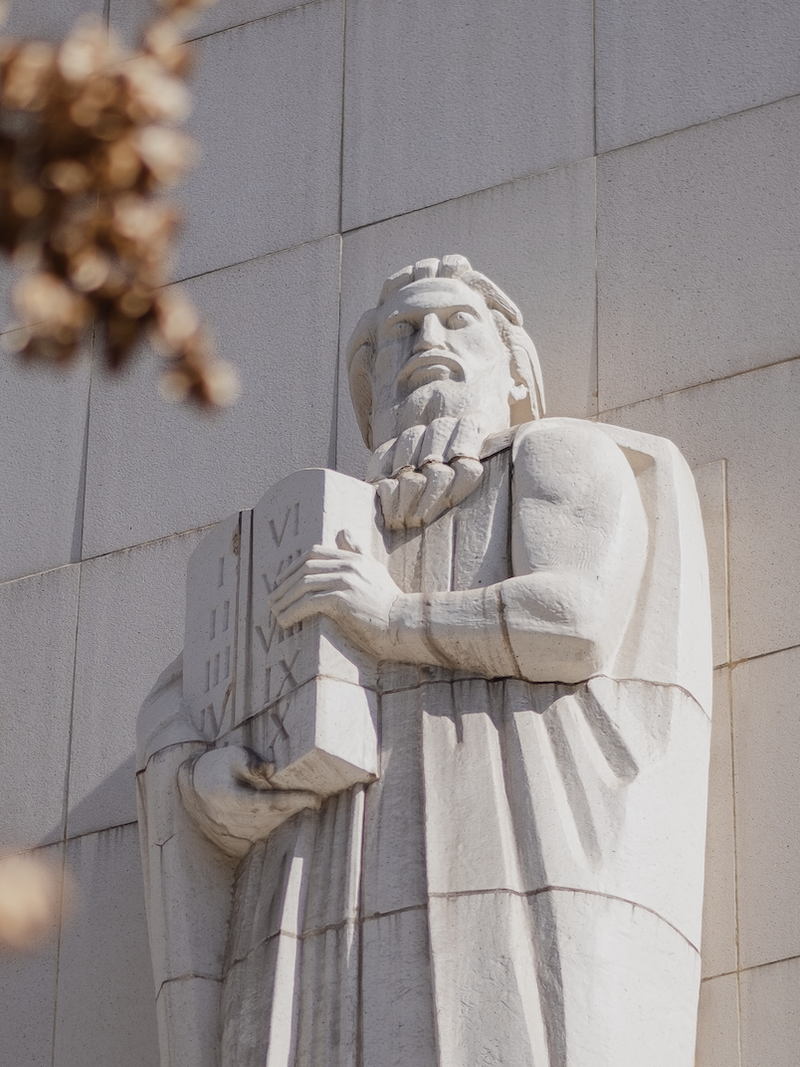
The second in a series of studies in Deuteronomy. Deuteronomy 22:30: A man shall not take his father’s wife, and shall not uncover his father’s wing (Hebrew: kanaf ). There are a number of unusual features in this law that mark it out from the previous context, indicating that it…

by Ralph Allan SmithMarch 20, 2013
200403-moss-pilate-tease_pncfq5
History

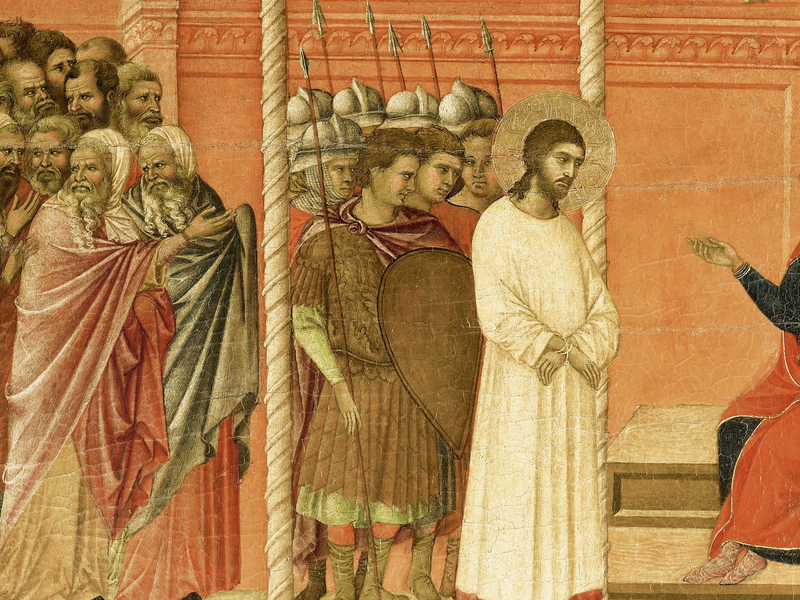
Victimhood and the Gospel

The texts of Christianity have been slowly at work, under the power of the Holy Spirit for 2000 years now. If we could be magically transported back into the world of two millennia ago, modern Americans would be shocked at the cruelty of that world. There was no concern for…

by Richard BledsoeMarch 18, 2013
aaron-burden-1ebsmyrau-s-unsplash
Luke

The Dysfunctional Family of the Gadarene Madman

The Story of the Gadarene Madman is told in all three synoptic Gospels (Matthew 8:28-34, Mark 5:1-20, Luke 8:26-37). Jesus ventures into a Gentile area when He passes over the Sea of Galilee. Upon disembarking from his boat, he is immediately met by a demon-possessed madman. Upon meeting Jesus, he…

by Richard BledsoeMarch 13, 2013
aaron-burden-1ebsmyrau-s-unsplash
Deuteronomy

Law and History: How to Read the Law of Moses

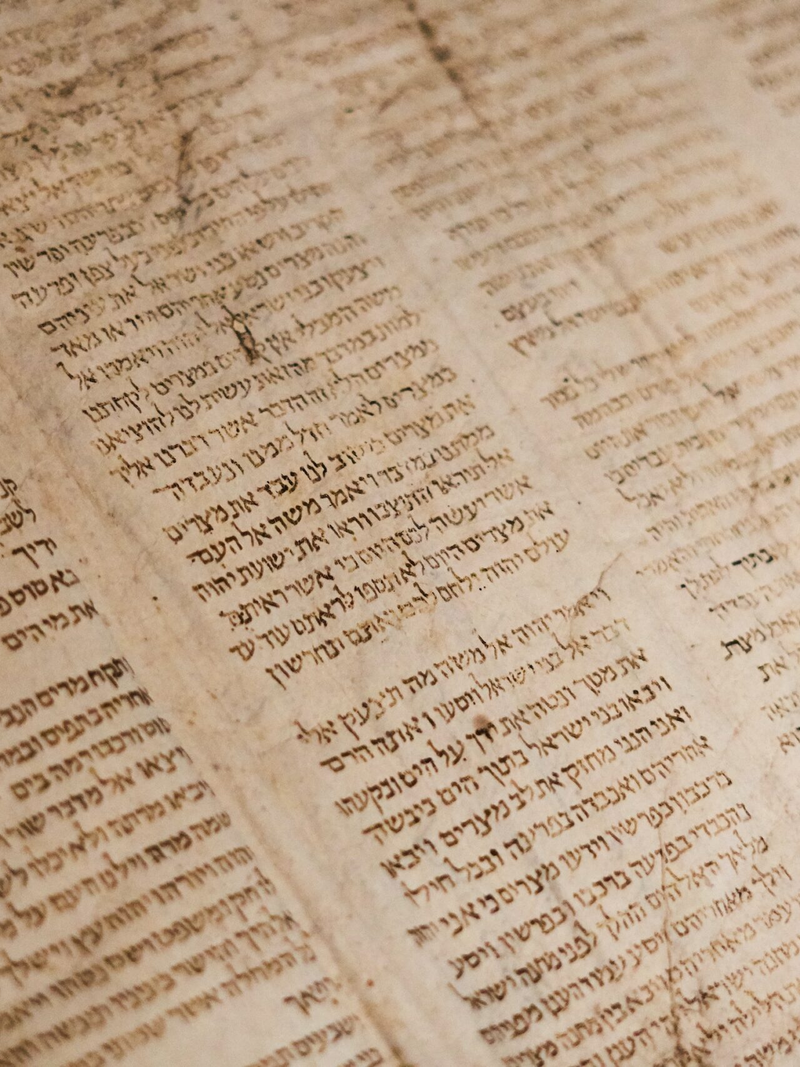
Part 1 of a multi-part series of studies on Deuteronomy 22:30-23:8. Eric Auerbach, in his classic work on Western literature, devotes his first chapter to contrasting Homer with the Bible. Of Homer, he writes of the “need of Homeric style to leave nothing which it mentions half in darkness and…

by Ralph Allan SmithMarch 12, 2013
markus-winkler-aid-xyrtlec-unsplash
Theopolis News

James Jordan in Korea, Japan

Trinity House Fellow James B. Jordan will be a speaker at an International Conference on Biblical Symbolism that will be held in Seoul on Monday, May 27 in 2013. He will address "The Importance of Biblical Symbolism and Symbolic Interpretation of the Bible." The conference will have three other speakers…

by Peter LeithartMarch 9, 2013

Showing page 197 of 309

See all

Showing page 21 of 43

See all

Augustinian Optimism and Modern Science

P eter Harrison points out in his The Fall of Man and the Foundations of Science (10–11) that the Reformation coincided with the rediscovery of ancient skepticism. While the Reformers were undermining traditional Catholic sources of authority from one side, Montaigne and others were corroding certainty from the other. Descartes…

December 12, 2016

Apocalypse Preserved

Karl Shuve's contribution to Apocalypses in Context traces the Christian use of Jewish apocalyptic, especially of the Book of the Watchers from 1 Enoch, which even makes it into the universal canon of the New Testament (Jude). The Watcher story appears in Justin, who “blames ‘every evil' on the Watcher…

December 9, 2016

Constructing Modernity

Thomas Fabisiak wonders, What does the New Jerusalem have to do with modernity? ( Apocalypses in Context ). Ask most modern philosophers, and the answer will be, Not much. Fabisiak speaks of the “'rhetorical construction' of modernity” that takes the form of a dismissal or expulsion of apocalyptic and all…

December 9, 2016

Chess and Soviet Man

In a 2011 New Yorker profile of Norwegian chess champion Magnus Carlsen, D.T. Max digresses to explain the logic behind the Soviet interest in chess: “Lenin, an enthusiastic player, made the game a priority for the new nation. In 1920, Alexander Ilyin-Zhenevsky, a commissar of Soviet chess, wrote that chess,…

December 9, 2016

Erotics of Reading

In the middle stanzas of “Erotikos Logos,” watching someone else reading, Scott Cairns ( Slow Pilgrim , 278) writes, “So much, of course, depends upon your own willingness to find something worthy here, even as you bring - as you must - something worthy to the effort. So much of…

December 9, 2016

From Polemic to Propaganda

Andrew Pettegree ( Reformation and the Culture of Persuasion ) observes a shift in rhetorical tone in Protestant-Catholic debates between the early and mid sixteenth century: “While much of the polemical writing of Luther’s day was rumbustious in tone, making liberal use of ridicule and ad hominem attacks, it still…

December 9, 2016

Showing page 224 of 2212

Browse by Category

In Medias Res

Your weekly digest for all things Theopolis.

Donate

Theopolis is nearly 100% donor-supported. Consider joining us on our mission.