Theopolis Logo

Writing

Explore our collection of theological essays, biblical studies, and reflections on faith and culture.

See all
img_5862
Culture

Birmingham Life and Culture Series

There’s something about joy that is infectious. And occasionally, we all have the opportunity to be in someone’s presence who is so happily engaged in their work, so joyous in their pursuits, that we want to learn from them. We want to know where that joy comes from and attain…

by Brian MoatsOctober 23, 2015
img_6077
How to Worship

How To Change the World, (Part 1)

Jesus has told us that He intends all nations to be discipled. Nations. Not just individuals. All nations as theocracies. That being the case, the Church exists for the life of the world. Being baptized is not only a matter of becoming part of a new family, it is also…

by James B. JordanOctober 22, 2015
branagh-macbeth
Literature

Adam, Saul, Macbeth

Harold Bloom’s essay on Macbeth includes the kind of penetrating insights that make Bloom the great Shakespearean scholar that he is, but it also includes his typical and intense anti-Christian bias. “If Lear was pre-Christian, then Macbeth is weirdly post-Christian. There are, as we have seen, Christian intimations that haunt…

by Ralph Allan SmithOctober 20, 2015
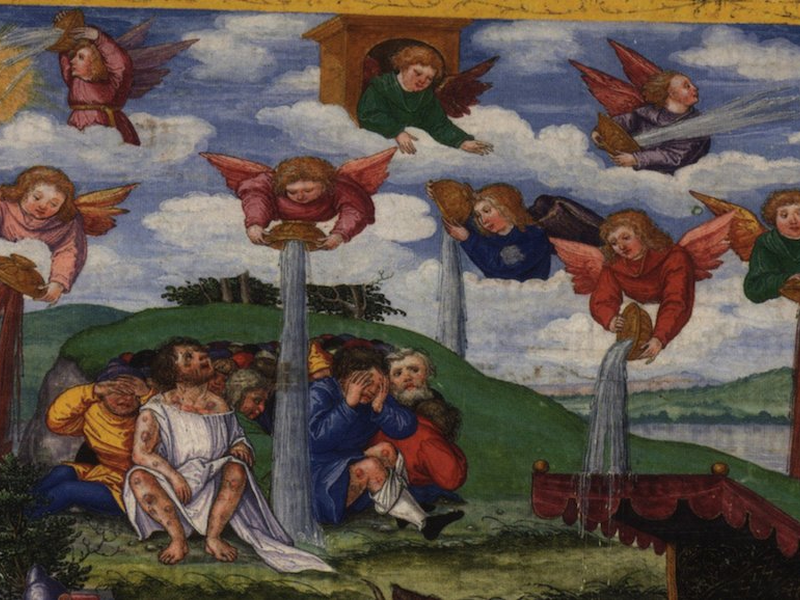
bowls
Revelation

Inverted Atonement

Revelation 16 is a day of atonement text. The tabernacle of the testimony has been opened (15:5). The angels who receive the bowls are clothed in linen (15:6), the clothing of the high priest when he goes into the sanctuary on the day of atonement (Leviticus 16:4). The temple is…

by Peter LeithartOctober 15, 2015
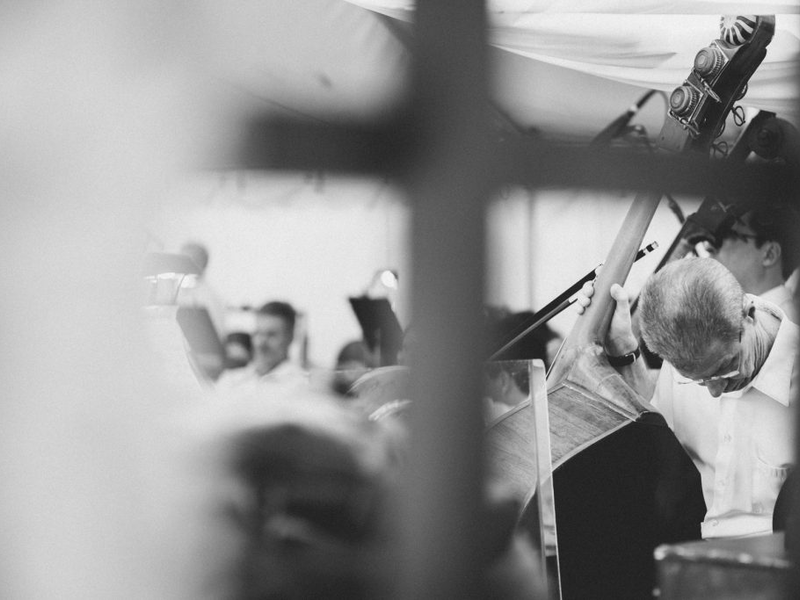
img_9025
Biblical Studies

Music and Hermeneutics

From time to time, when I’ve lectured on how to read the Bible, I’ve used art-music as one example thereof. When we listen to a simple folk song, we hear the same melody over and over again, but this is not how composers write "high" music. Let me amplify. A…

by James B. JordanOctober 13, 2015
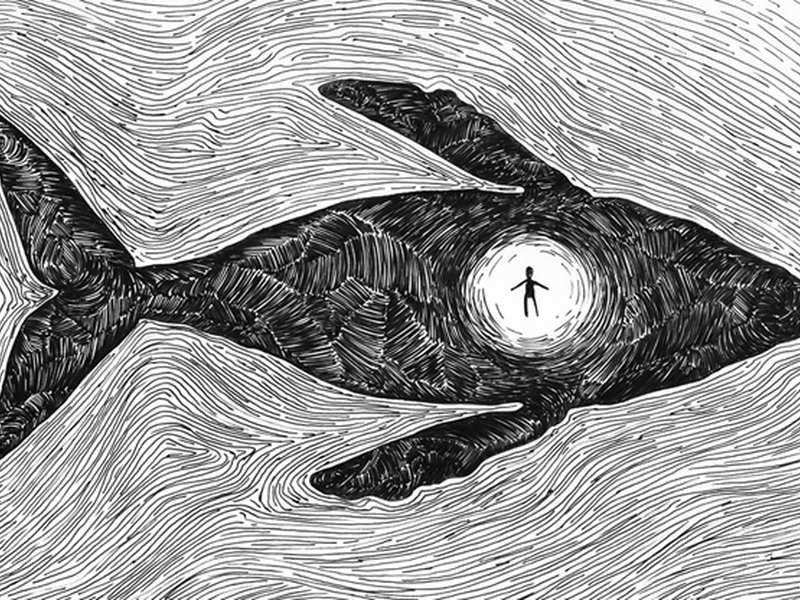
schlanger_jonah_prison_090913_620px
Biblical Studies

In the Fish: The Church as Tomb

"For just as Jonah was three days and three nights in the belly of the sea-monster, so will the Son of Man be three days and three nights in the heart of the earth" (Matthew 12:40). Some reflections on Jonah’s Big Fish have led to the following essay. Let me…

by James B. JordanOctober 8, 2015

Showing page 142 of 309

See all

Showing page 21 of 43

See all

Logic of Impurity

It's an inventive solution. In an essay on the Logic of Impurity , David Kraemer argues, counterintuitively, that impurity marks something as God's possession. He argues from the strange anomalies associated with corpse defilement and its cleansing: “The human corpse is, according to the Torah, the most powerful source of…

March 23, 2016
Easter

Through the Darkness

Holy Week is a passage through darkness, as we commemorate the betrayal, arrest, trial, and crucifixion of Jesus. But Holy Week doesn't end on the cross. Easter dispels the darkness. Good Friday followed by Easter means that darkness and death no longer mark an end, but mark a beginning. It…

March 22, 2016

Erotic Politics

Paul Ludwig ( Eros and Polis ) observes that “A recurrent feature of ancient Greek political discourse was the assertion that erotic passion was a causal factor in the emergence and maintenance, as well as the decline, of the Greek polis.” But this didn't make the Greek proto-Foucauldians: “the term…

March 22, 2016

Dreamworks

Kelley Bulkeley's Big Dreams is about the big subject of religion, examined from the perspective of our dreaming. He begins with the simple, well-known observation that most of our dreams are quickly forgotten, while “a few are highly memorable.” Any account of dreaming should try to account for this. Taking…

March 22, 2016

Paul Provoked

As Paul strolls through Athens, what impresses him is not the architecture, culture, or art. He sees that the city is full of idols, and he is provoked in spirit (Acts 17:16). That provokes a few reflections. What did Paul see that others in Athens did not see? What would…

March 21, 2016

Crowds

Gustave Le Bon's The Crowd was first published in 1895. It reads like something taken from today's headlines about the crowds generated by Donald Trump's campaign. Le Bon argued that a crowd involved the “disappearance of conscious personality and the turning of feelings and thoughts in a definite direction, which…

March 21, 2016

Showing page 308 of 2212

Browse by Category

In Medias Res

Your weekly digest for all things Theopolis.

Donate

Theopolis is nearly 100% donor-supported. Consider joining us on our mission.