Theopolis Logo

Writing

Explore our collection of theological essays, biblical studies, and reflections on faith and culture.

See all
trnava-university-beeyeib-am8-unsplash
Biblical Chronology

Meredith G. Kline Strikes Back, Part 2

In our first essay we looked at Kline’s flawed exegesis of Genesis 2:5 as it relates to Day 3 of creation. Now we turn to Kline’s new argument against a chronological reading of Genesis 1, as found, again, in "Space and Time in the Genesis Cosmogony," Perspectives on Science and…

by James B. JordanMarch 29, 1997
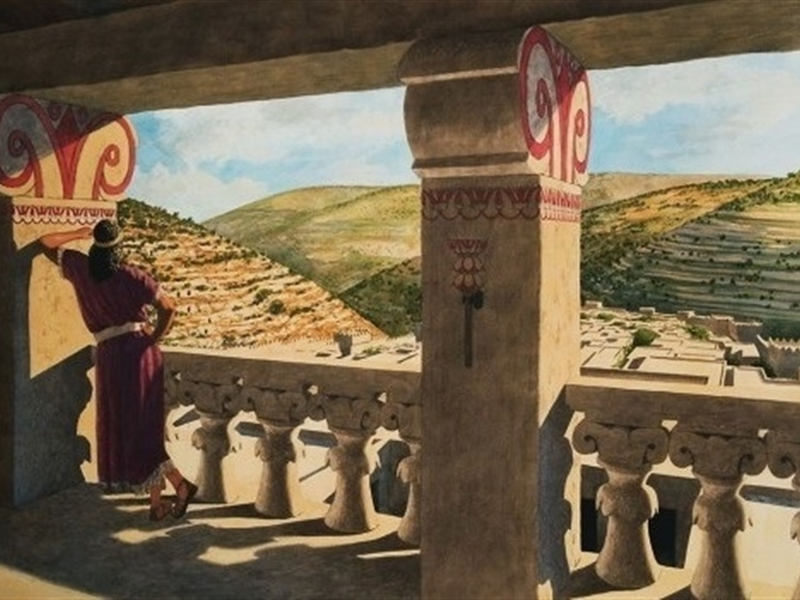
30211-bathsheba-800w-tn
Hermeneutics

Bathsheba: The Real Story

One of the advantages of paying very close attention to the details in the Bible, especially chronological and genealogical details, is that they can shed light on situations that don’t seem to make much sense apart from them. One such situation is that of Bathsheba. It appears that Bathsheba willingly…

by James B. JordanMarch 28, 1997
jonathan-cooper-ygxq7hfdjzq-unsplash
Church Calendar

Is the Church Year Biblical? | A Parking Lot Parable

Once upon a time, Jeff Meyers and Tony Rollins–old friends who had not seen each other for a few years–met in the parking lot of a neighborhood church. They were dropping off their pre-school children at the church for Mother’s Day Out. They were such conscientious and helpful fathers. As…

by Jeff MeyersMarch 20, 1997
annie-spratt-upxf6to3fea-unsplash
Daniel

The Allegory of Susanna

Years ago, when I was at the briefly-existing Geneva Divinity School, I taught a course in the Apocrypha. One thing that struck me at that time is that two of the stories are almost certainly religious allegories (as well as moral tales): Judith and Susanna. Since "Susanna" means "Lily," this…

by James B. JordanFebruary 28, 1997
serafima-lazarenko-_ivuwprfczi-unsplash
Biblical Horizons

A Blossom of Yahweh’s Field

Peter’s essay inspires me to write up some similar thoughts about the flower of the field. Rightly does Peter associate the almond with Yahweh’s garden, because the Garden of Eden is symbolically positioned as parallel to the Holy Place of the Tabernacle and Temple. To wit: Since Aaron’s rod blossomed…

by James B. JordanFebruary 28, 1997
trnava-university-beeyeib-am8-unsplash
Biblical Chronology

Meredith G. Kline Strikes Back, Part 1

We have had occasion to discuss the views of Meredith G. Kline previously in these newsletters, and now it is time to do so again. Kline teaches at Gordon-Conwell Theological Seminary and also at the Westminster Theological Seminaries (Philadelphia and San Diego). He is the author of some interesting insights…

by James B. JordanFebruary 28, 1997

Showing page 259 of 309

See all

Showing page 21 of 43

See all
Liturgy

Sabbath Threshing

Solomon built the temple on the threshing floor that David bought from Araunah the Jebusite (2 Samuel 24; 2 Chronicles 3). What might that mean? Grain is threshed when an animal walks over it, sometimes dragging a threshing sledge, to separate the grain from the chaff. Threshed grain is winnowed,…

October 23, 2015
Art

Life and Culture Series

These are remarks delivered to introduce conductor John Mason Hodges as the first Birmingham Life and Culture speaker. This is the first of what we hope will be an annual lecture on the arts and culture. Each year, we’ll bring a painter, musician, poet, sculptor, novelist, critic, architect, or scholar…

October 22, 2015

Two Tables

Jesus’ action in the temple was a symbolic enactment of the coming destruction of the temple. The Jewish leaders had turned what should have been a house of prayer for the Gentiles into a den of brigands. Jesus overturned the tables and chairs to dramatize what lay on the horizon…

October 22, 2015

Double Time in Othello

AC Bradley ( Shakespearean Tragedy ) points out that Othello has an unusual structure for a Shakespeare tragedy. The main conflict doesn't arise until the third act, and then the pressure and movement is relentless from that point to the end. In the other tragedies, the crisis emerges earlier, Act…

October 22, 2015

The Quadrigal Form of Christian Thought

The quadriga - the fourfold sense, consisting of literal, allegorical, tropological, and anagogical - isn't only a “method” for interpreting Scripture but a framework for interpreting everything . Two assumptions guide my reflections here. First, medieval biblical scholars insisted that biblical allegory and typology was not merely a method of…

October 22, 2015
Rosenstock-Huessy

Listening

Theories of language, Rosenstock-Huessy comments, focus almost exclusive attention on the speaker or writer, and almost none on the listener: “Our philology is built around the process of talking, speaking, writing.” Listening is emphasized in “military training for obedience, understanding to psychology, listening and learning to acoustics and education.” But…

October 21, 2015

Showing page 360 of 2212

Browse by Category

In Medias Res

Your weekly digest for all things Theopolis.

Donate

Theopolis is nearly 100% donor-supported. Consider joining us on our mission.