Theopolis Logo

Writing

Explore our collection of theological essays, biblical studies, and reflections on faith and culture.

See all
evangelists
Matthew

Dating Matthew, (Part 1)

When might the Gospel according to Matthew have been written? Of course, any answer can only be speculation, but that does not mean we are reduced to groundless opinion. In this series of articles I point the way to an approach different from the general consensus among scholars today which…

by Ralph Allan SmithNovember 22, 2016

hebrew-manuscript-3
Hermeneutics

Synopticity, (Part 2)

In my first essay on “synopticity” I offered a rather rough definition of the phenomenon and important, though not exhaustive examples. In this essay, I want to introduce broader aspects of the phenomenon of “synopticity.” The first example that I have in mind is conventional stories, stories of different historical…

by Ralph Allan SmithNovember 17, 2016
screen-shot-2016-03-31-at-9-32-11-am
Ascension

Brexit and the Binding of Satan, Part 4

Since the judgment of Babel was followed by the initiation of the circumcision, the impending end of the circumcision in AD70 explains the significance of the first century miracle of foreign tongues. Except for a few Aramaic “teasers” in the book of Daniel, the Word of God was monolingual and…

by Mike BullNovember 15, 2016
four-evangelists
Hermeneutics

Synopticity, (Part 1)

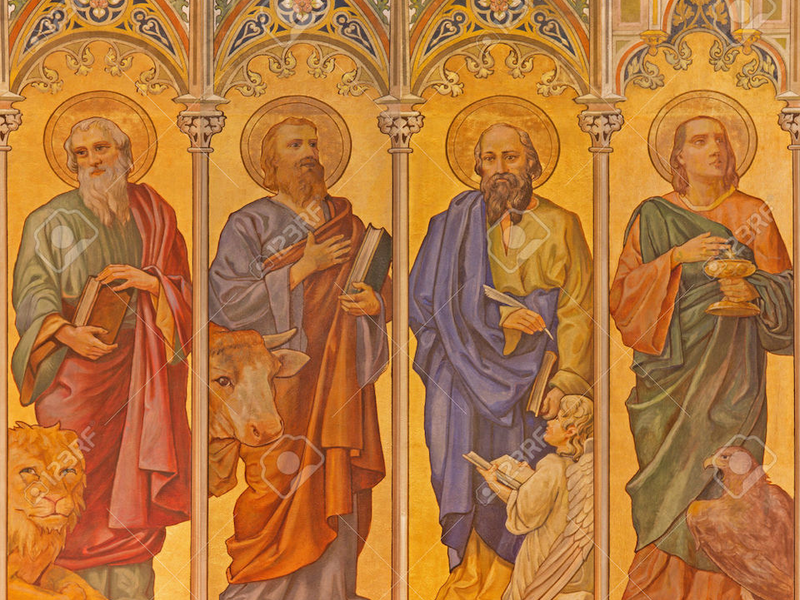
To the best of my knowledge “synopticity” is not a word used in theology or Biblical studies, but it seems an appropriate word to describe the kind of phenomena associated with the Synoptic Gospels, Matthew, Mark, and Luke. These three Gospels tell essentially the same story with significant — sometimes…

by Ralph Allan SmithNovember 10, 2016
laughing_statue_by_xxbobbiie-d5f0meh-2
Humor

Learning to Laugh

Humor is a funny thing. It is altogether familiar yet also mysterious. What makes us laugh? Why do we find things funny? There are academic fields of study dedicated to discovering what makes things humorous. These academicians even have a journal entitled International Journal of Humor Research . No joke.…

by Bill SmithNovember 8, 2016
chaucer
Literature

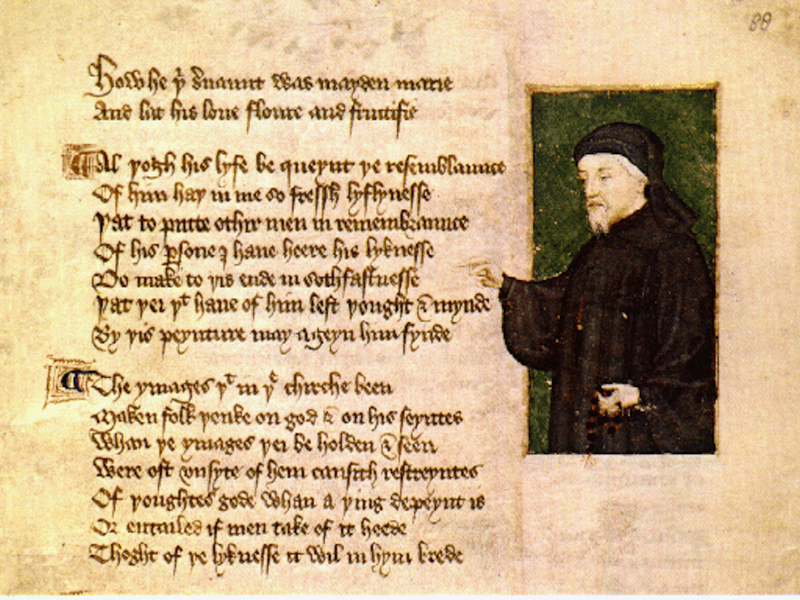
Flawed Means of Grace: Liturgy in The Pardoner's Tale

Out of all the characters in Geoffrey Chaucer’s The Canterbury Tales , the Pardoner has been called the “one lost soul.” The pious Parson, who closes out the collection of tales with a sermon on the seven deadly sins and how a sinner can absolve himself of them, connects the…

by Christian LeithartNovember 3, 2016

Showing page 122 of 309

See all

Showing page 21 of 43

See all

Law and Gospel in Public

Drawing on the work of Oliver O'Donovan, Jamie Smith offers a critique of natural law as an adequate grounding for political theology. Positively, Smith argues that “he public task of the church is not just to remind the world of what it (allegedly) already knows (by ‘natural' reason), but to…

April 2, 2015

Symbolizing Reality

At the beginning of his Silence and Praise , Ryan Hansen summarizes several of the recent approaches to understanding the cosmology of the book of Revelation. The most popular today borrows from the sociology of knowledge to suggest that John's writing creates a “symbolic universe” or “worldview” for his readers.…

April 2, 2015

Kept from Women

The emphasis on chastity, virginity, and lack of defilement from women does not have to do with misogyny or asceticism. In biblical perspective, it means that this is both a liturgical and a military assembly. When Israel arrived at Sinai, the men had to keep themselves from women so as…

April 1, 2015
Ecclesiology

Unity First?

In his Gift and the Unity of Being , Antonio Lopez claims that “Christ's kenotic gift of self restores unity with God. The redemption of the gift allows man to see that unity with God is possible and that it generates a whole that is greater than its parts. St.…

April 1, 2015

Nothing Sacred

Douglas Rushkoff's Nothing Sacred is rather all over the place (as one might say if one had a thickly superior British accent). The Judaism he favors isn't a “traditional community with concrete values and well-defined rules” (1) but one that “stresses transparency, open-ended inquiry, assimilation of the foreign, and a…

April 1, 2015

Automatic Writing

Explaining the power of liturgical habit, Paul Griffiths ( Decreation ) offers writing as an example of the self-forgetful, and world-forgetful, character of habit. It's one of the best descriptions of the experience of writing that I have come across. A few preliminaries to make sense of the analysis: Griffiths…

April 1, 2015

Showing page 445 of 2212

Browse by Category

In Medias Res

Your weekly digest for all things Theopolis.

Donate

Theopolis is nearly 100% donor-supported. Consider joining us on our mission.