Theopolis Logo

Writing

Explore our collection of theological essays, biblical studies, and reflections on faith and culture.

See all
screenshot-2024-04-04-at-4-49-39-pm
Apologetics

Christianity: Who Needs It?

Evangelistic Message to the Uninformed: 1 Timothy 3.14-16 Even though this is written as a sermon for delivery, and even though it was preached in a homiletics class, I decided I can’t post it as a sermon because it was not truly preached at a place where nonchristians wanted to…

by Mark HorneMay 7, 2024
carlo-alberto-burato-smdx3gleu_m-unsplash
Acts

Jesus’ Post-Resurrection Appearances

If we only read the Gospels of Mark and Luke, we might get the impression that Jesus’ ascension was on resurrection Sunday. Matthew speaks of going to Galilee but he does not put things into a clear time frame. John shows us that Jesus appeared to the disciples eight days…

by Ralph Allan SmithMay 1, 2024
alfons-morales-ylswjsy7stw-unsplash-1
Biblical Studies

The Bible and Western Literature

The most cursory glance at the history of Western literature reveals that it has been deeply influenced by the Bible. Some of the greatest classics of Western literature draw their plots, characters, and ideas largely from Scripture; Dante’s Divine Comedy and Milton’s Paradise Lost are two of the most notable…

by Peter LeithartApril 24, 2024
cederic-vandenberghe-21dp3hytvhw-unsplash
Biblical Theology

Inglorious Bastards

Few themes emerge as profoundly and persistently in the streams of biblical narrative as the conflict between light and darkness, and the juxtaposition of humanity with monstrosity. These themes not only weave through the fabric of Scripture, emerging in stories from Genesis to Revelation, but also stitch together the human…

by Kyle LammottApril 17, 2024
screenshot-2024-04-09-at-11-22-50-am
Luke

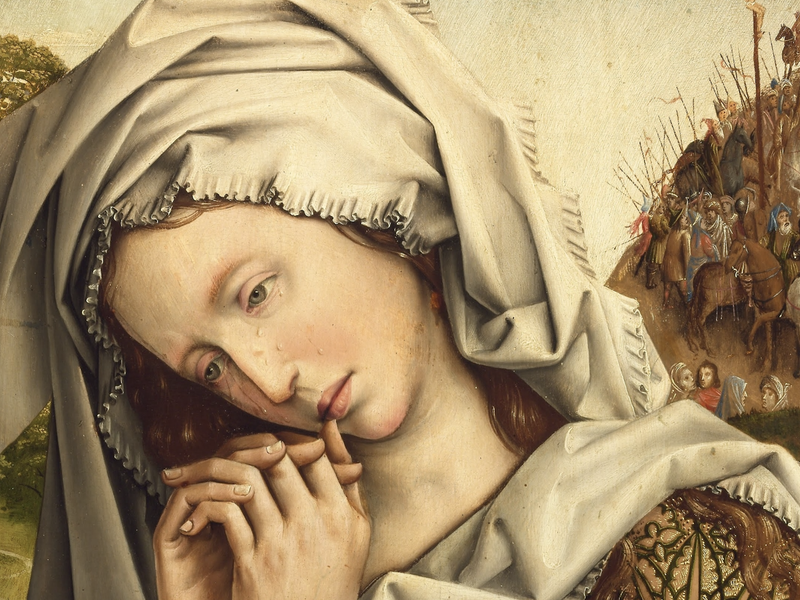
Mary Magdalene: Sister, Sinner, Saint

In John Wenham’s work, Easter Enigma , he devotes an entire chapter to Mary Magdalene, which is rephrased and summarized here. 1 One of the interesting things that Wenham said was that Mary Magdalene was the second “most favored woman in the Bible.” 2 He adds, “Yet apart from a…

by Ralph Allan SmithApril 9, 2024
screenshot-2024-04-04-at-4-50-53-pm

Daily Mutual Encouragement

God made man to live in a larger relational context, and even in high rebellion, man cannot escape his created nature. Instead, that nature takes revenge on rebellious man. Autonomous and alone, the self craves absolution but recognizes no authority that might give it; it thirsts for glory but rejects…

by Tim NicholsApril 4, 2024

Showing page 21 of 309

See all

Showing page 21 of 43

See all
Angels

Angelic Bodies

Paul Griffiths ( Decreation ) ably defends a minority position in the history of theology, namely, that angels are not bodiless, though they are “immaterial.” They are “living creatures with discarnate bodies of energy” (125). To defend this point, he offers this brilliant little analysis of the meaning of “matter”…

March 24, 2015

Eschatological Lamb

The final sequence of Revelation begins with the fourth “in Spirit” vision of John (21:9-10). From that point to the end of the book, the “Lamb” is mentioned 7 times (21:9, 14, 22, 23, 27; 22:1, 3). The Lamb is entering His Sabbath, the wedding feast with His Bridal city.…

March 24, 2015

New Moses

Elijah's life history tracks closely with that of Moses. When he appears on the scene, he curses Israel with drought, then flees the land (1 Kings 17). Like Moses after he killed the Egyptian, he goes out from his people and lives among Gentiles. (Elijah's sojourn in Zarephath also linked…

March 24, 2015

Atonement from Heaven

When the seventh trumpet blows, heaven opens and the ark of the covenant appears (Revelation 11:19). We're in the Most Holy Place. Before the ark-throne are two heavenly signs - a laboring woman and a dragon. It's Zechariah 3, with Satan and the priest Joshua before the throne, Satan accusing.…

March 23, 2015
Creation

Suspended—By What?

Following a long tradition, Paul Griffiths says that creatures who come from nothing are constantly inclined to return to the nihil . We “remain uneasily in being, hovering over the void from which we came” ( Decreation , 142). Venerable as this is, it's misconceived. For starters we can ask…

March 23, 2015

Open ending

As Andrei Zorin argues in a TLS piece this week, Tolstoy intended to defy novelistic convention in writing War and Peace . His book was not a novel, and Tolstoy refused the easy resolutions of the novel genre. Zorin agrees that there is something to this: “In one of the…

March 23, 2015

Showing page 449 of 2212

Browse by Category

In Medias Res

Your weekly digest for all things Theopolis.

Donate

Theopolis is nearly 100% donor-supported. Consider joining us on our mission.