Theopolis Logo

Writing

Explore our collection of theological essays, biblical studies, and reflections on faith and culture.

See all
harry-miller-hz9snd3sffw-unsplash-2
Christendom

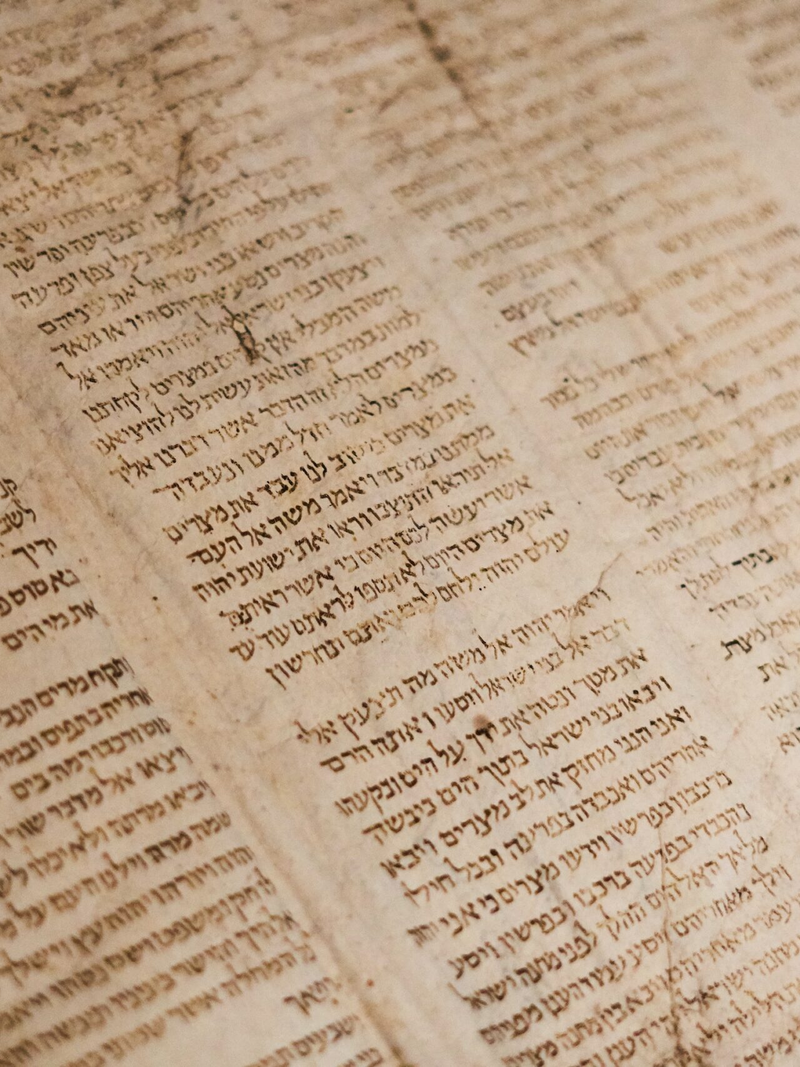
The Fundamentals of the Faith

Reflecting on the centennial of the Fundamentalist-Modernist Controversy, Theopolis contributor Tim Nichols asked Dr. Leithart and me what the five fundamentals of the faith were today . His thoughts went something like this: Back in the early 20th century, in response to a ruinous drift away from the historic Christian…

by Jackson WatersNovember 26, 2025
nils-kaehf0ezme8-unsplash
Matthew

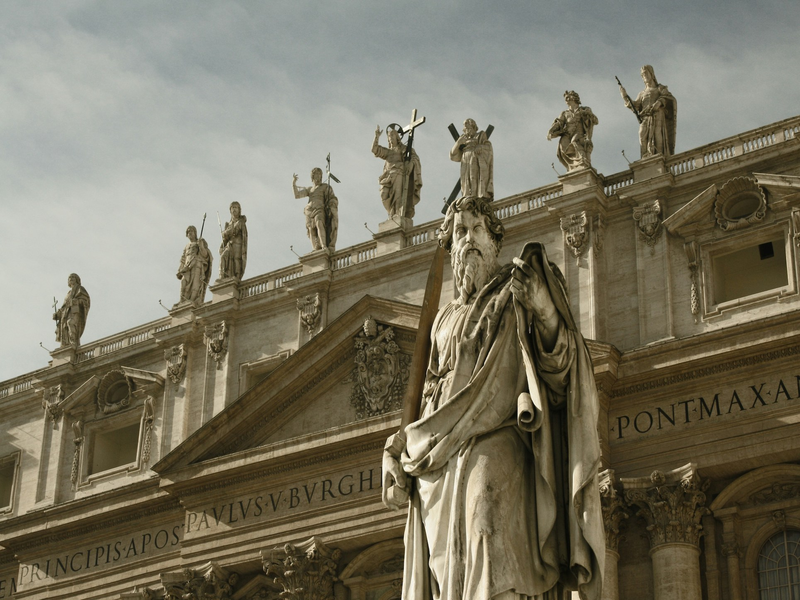
Testimonium Negativum: Josephus, Matthew’s Gospel, and New Evidence for the Coming Christ

1. Introduction In this article, I delve into some parallels found in the scholarly analysis of two important literary works: the Testimonium Flavianum by Josephus ( Antiquities 18.63–64) and the Olivet Discourse in the gospel of Matthew (Matthew 24–25). These texts have been at the center of countless academic discussions,…

by Jonathan SedlakNovember 18, 2025
screenshot-2025-11-11-at-10-52-45-am
Genesis

Trauma and Glory: Overcoming Suffering with Joseph

Over the last twenty years, our American culture has created a culture of obsession over trauma. This could be a result of publications such as The Body Keeps the Score by Bessel van der Kolk, which explores the lasting effect on health that traumatic experiences can have. Or it could…

by Lindsey TollefsonNovember 11, 2025
elena-helade-v2ezqdz_i18-unsplash
Uncategorized

Lips like a Thread of Crimson: Midrash on a Theme from the Song of Solomon

The Beloved celebrates the beauty of his Shulamite’s lips, describing them as “a thread of crimson” upon a mouth that is altogether lovely (Song 4:3). It were easy perhaps to pass by this all too quickly, passing it off, if we attend to it at all, as a kind of…

by Mark BriansNovember 4, 2025
302129rgsdl
Culture

The Rule of the Incarnate

This article originally appeared at American Reformer on October 29, 2025. Reproduced with permission. Why the West Was Never Meant to Be Governed by Law Alone Back in the early nineties, I was in the candidate process for Undergraduate Pilot Training with the Texas Air National Guard, hoping to fly…

by Ronald DodsonOctober 31, 2025
emmanuel-phaeton-1bwmfmvybi8-unsplash
Deuteronomy

A Father’s Liturgical Logic: The Pastoral Aim of the Davidic Revolution

In his book From Silence to Song: The Davidic Liturgical Revolution , Peter Leithart shows that David, the author of so many Psalms and the musician who trained choirs, instituted a musical and liturgical revolution of how the people of Israel worshipped. The liturgical revolution in turn was designed to…

by Ralph Allan SmithOctober 29, 2025
See all

Showing page 21 of 43

See all

Death of the Death of God

Zizek ( The Monstrosity of Christ: Paradox or Dialectic? ) thinks that John Caputo and Giorgio Agamben are right to say that Nietzsche’s declaration of the death of God could only turn inside out. According to them ( After the Death of God ), “if there’s no overarching principle, that…

March 23, 2013

American exceptionalism

In his effort to “think with” Carl Schmitt ( Political Theology: Four New Chapters on the Concept of Sovereignty ), Paul Kahn uses a “sacrificial” conception of sovereignty to isolate differences between America and Europe, and between pre-modern and modern states. America v. Europe first (16-17): “To the question of…

March 23, 2013
History

Convenient bombing

Bauman ( Collateral Damage: Social Inequalities in a Global Age , 144-5) gives several examples of how the pressure of research and military planning lead to atrocities. One occurred in the German town of Wurzburg in March 1945, “when Nazi Germany was already on its knees and the speedy end…

March 23, 2013
History

Nagasaki Syndrome

In his Collateral Damage: Social Inequalities in a Global Age , Zygmunt Bauman refers to the work of Gunther Anders on the “Nagasaki syndrome,” which Anders warned carried “the fully and truly apocalyptic potential of ‘globicide.’” The Nagasaki syndrom “means that ‘what has been done once can be repeated over…

March 23, 2013

Punishment

Some punishments, Thomas says ( ST , I-II, 87), are punishments strictly speaking, some are satisfactory, some are medicinal. Punishment strictly speaking is the repression of order that retaliates against an offense committed against the order (art. 1). A violation of man’s own order of reason is punished by remorse…

March 22, 2013

A typology of Satanic attack

James Jordan has pointed out that the book of Revelation gives us seven names for Satan: Wormwood (8:10-11), the poisoner of wells; Abaddon and Apollyon (9:11), both of which mean “destroyer” but which speak of destruction of Hebrew and Greek worlds respectively; Dragon (12:1), devourer of children; Serpent (12:9, 15),…

March 21, 2013

Showing page 769 of 2212

Browse by Category

In Medias Res

Your weekly digest for all things Theopolis.

Donate

Theopolis is nearly 100% donor-supported. Consider joining us on our mission.