Theopolis Logo

Writing

Explore our collection of theological essays, biblical studies, and reflections on faith and culture.

See all
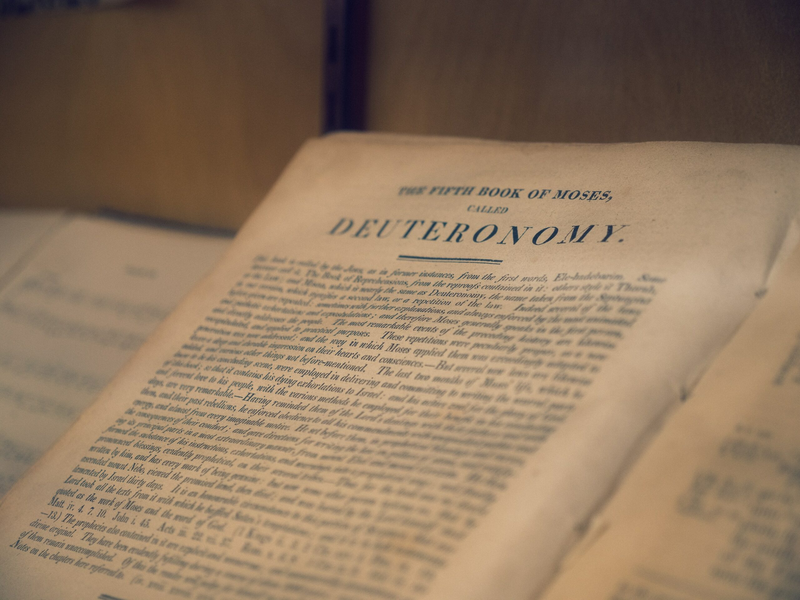
chris-bair-ndczc5739ck-unsplash
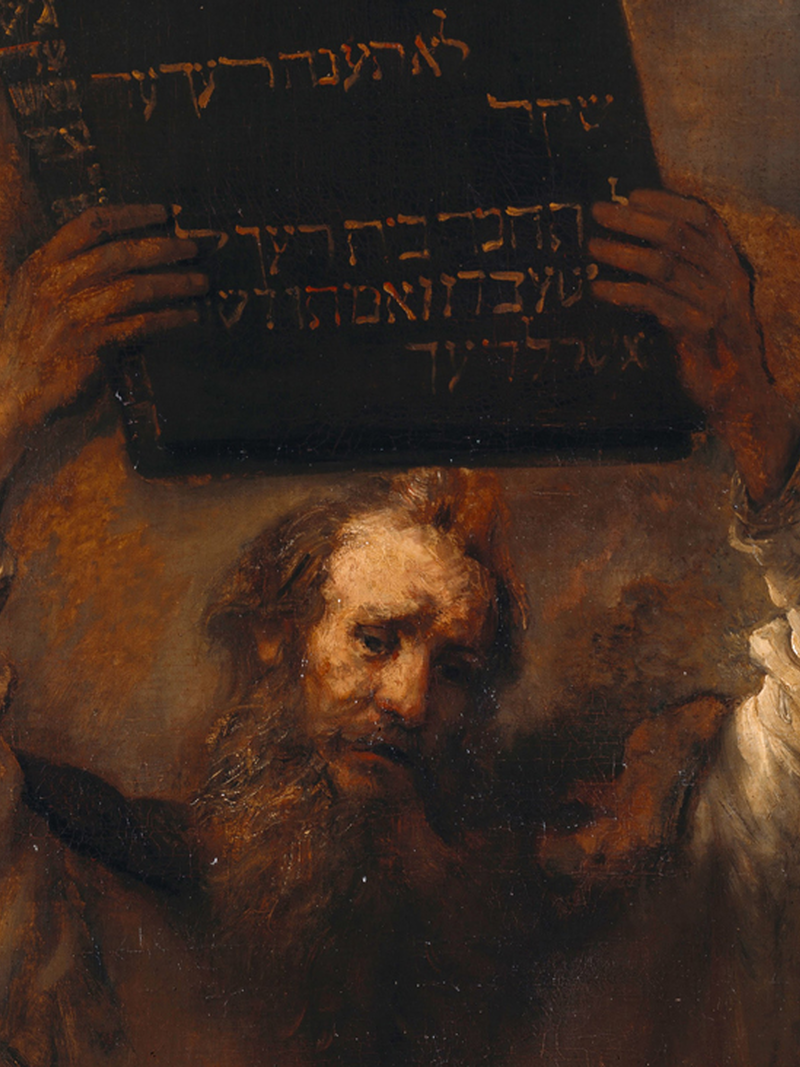
Deuteronomy

Allusive Torah

In the first part of this essay, I argued that the story of the covenant is what unifies and grounds the laws in the book of Deuteronomy. In the third section of this essay, as part of my argument that Deuteronomy 14:1-21 forms a distinct pericope, I claimed that these…

by Ralph Allan SmithJuly 22, 2013

blogging-guide-k5dy18hy5jq-unsplash
Economics

So You Wanna Be Rich?

Paul ends 1 Timothy with convicting warnings about the temptations of wealth and the danger of pursuing wealth. Godliness involves contentment and gratitude for the basics – food and clothing (1 Timothy 6:8). To reinforce the point, Paul reminds Timothy that we came into the world without anything, which is…

by Peter LeithartJuly 17, 2013
channel-82-urfja47nuhu-unsplash
Catholicism

The Festival and the Mass

Like Marx himself, the Marxist sociologist Henri Lefebvre was a firm believer in the dictum that “the criticism of religion is the premise of all criticism,” though he dissented from Marx’s prior claim that the criticism of religion is essentially complete. He includes a vicious, sarcastic, Marxist diatribe against the…

by Peter LeithartJuly 15, 2013
markus-winkler-aid-xyrtlec-unsplash
Theopolis News

Biblical Horizons Summer Conference

This week, Trinity House fellows James Jordan, Jeff Meyers, Rich Bledsoe, and Peter Leithart will be lecturing in Niceville, Florida, at the Biblical Horizons Summer Conference. Fore more information, check the Biblical Horizons web site.

by Peter LeithartJuly 15, 2013
guido-jansen-nz-zat4qiuu-unsplash
Isaiah

Combustible God

Fire seems to be a motif in Isaiah 6. The chapter opens “in the year that king Uzziah died,” and we know that Uzziah died a leper because he tried to burn incense in the temple against the law of God. And in this context, in the year king Uzziah…

by Daniel StanleyJuly 10, 2013
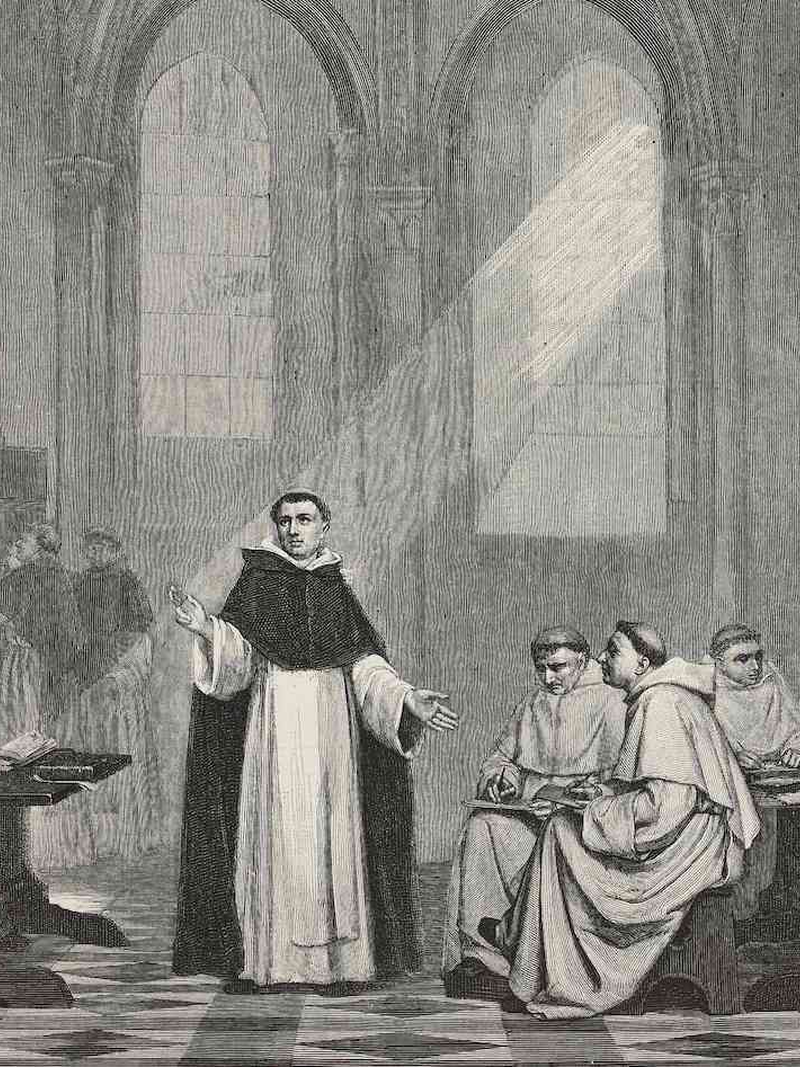
sixteen-miles-out-d40gdcd_-he-unsplash
Biblical Studies

Rehabilitating the Quadriga

According to the medieval theory of the "Quadriga" or the "fourfold sense" of Scripture, each passage of Scripture has four dimensions of meaning. Protestants generally cast a suspicious eye on this "method" of reading. That's a mistake. It's a handy guide to the questions we should always ask as we…

by Peter LeithartJuly 8, 2013

Showing page 191 of 309

See all

Showing page 22 of 43

See all
History

Money, Magic, and Signs

David Hawkes reviews a book on Literature and Economics in the Age of Milton in the April 2 TLS , and has this to say about the early modern suspicion of attempting to “do things with words”: “The influx into Renaissance Europe of precious metals from America, and the consequent…

April 19, 2004
History

On Books

David McKitterick ‘s Print, Manuscript and the Search for Order, 1450-1830 describes the move from manuscript to book as a gradual process rather than a sudden revolution. According to the reviewer in the TLS , McKitterick points out that books and manuscripts were not separated in library catalogues or apparently…

April 19, 2004
History

Goddesses in the Middle Ages

Robert Lerner reviews Barbara Newman ‘s God and the Goddesses: Vision, Poetry, and Belief in the Middle Ages in the March 19 issue if the TLS . Newman’s book analyzes the female deities and allegorical figures of medieval literature and belief, including Nature, Lady Love, Holy Wisdom, and Mary. As…

April 19, 2004

Luther on Justification

Robert Jenson has a brief but very challenging comment on Luther’s views on justification in the Fall 2003 issue of the Westminster Theological Journal (which, incidentally, under the editorship of Peter Enns is promising to be a lively forum of debate). Responding to Carl Trueman ‘s critique of the new…

April 19, 2004
Economics

Hayek

Francis Fukuyama reviews Bruce Caldwell ‘s new biography of Hayek in the Spring 2004 issue of The Wilson Quarterly . According to Caldwell, Hayek’s argument against a managed economy was basically an epistemological one: “There are limits to rationality, and what any individual knows tends to be local in nature.…

April 19, 2004
Media

McLuhan and Teilhard

Tom Wolfe has a fascinating sketch of the life and work of Marshall McLuhan in the Spring 2004 issue of The Wilson Quarterly . McLuhan converted to Catholicism during his studies, and Wolfe suggests that McLuhan’s greatest inspiration was a hidden one, Teilhard de Chardin . Wolfe writes, “Regardless of…

April 19, 2004

Showing page 2098 of 2212

Browse by Category

In Medias Res

Your weekly digest for all things Theopolis.

Donate

Theopolis is nearly 100% donor-supported. Consider joining us on our mission.