Theopolis Logo

Writing

Explore our collection of theological essays, biblical studies, and reflections on faith and culture.

See all
cross-2
Atonement

God of the Furies

The idea of atonement is not a distinctly Christian, or even Hebraic, concept. It also makes an appearance in ancient Greek thought (among other places). The Greek tradition is by no means monolithic, so it isn’t possible to speak of a “Greek” concept of atonement. But there are certain commonalities…

by Gerald HiestandFebruary 18, 2016

aaron-burden-1ebsmyrau-s-unsplash
Acedia

Sloth, Song, Story

As we know, there are seven deadly or capital sins. Prior to the list of the seven deadly sins there was a list of eight evil thoughts or demons. It was made by an Eastern monk, Evagrius Ponticus. When the list was transposed to the West, one evil thought was…

by Bogumil JarmulakFebruary 16, 2016
medievalilluminatedmanuscript
1 Corinthians

What the Corinthians Did Right

Paul’s letter to the Corinthians is one of those epistles in Scripture to which pastors and teachers resort to show the church everything that it shouldn’t be . There is, of course, good reason for this. The Corinthian church was filled with all sorts of problems. Personality cults (i.e., factions),…

by Bill SmithFebruary 11, 2016
cross-2
Church Calendar

To Ash or Not To Ash

Today is Ash Wednesday , and as many Christians of the Protestant formerly "low church" persuasion are reacquiring some of the good and ancient practices of the church, one question in particular comes to the front: to ash or not to ash? That is, while many of us are finding…

by Timothy LeCroyFebruary 10, 2016
img_4660-2
Church Calendar

40+ Reasons To Observe Lent

A murder of tweets. To observe Lent rightly, we have to be persuaded that we already stand in God’s favor. Ash Wednesday reminds us to number our days. It helps us gain a heart of wisdom (Psalm 90:12). We keep Easter to manifest and deepen our prior share in resurrection.…

by Peter LeithartFebruary 9, 2016
medievalilluminatedmanuscript
Matthew

New Moses

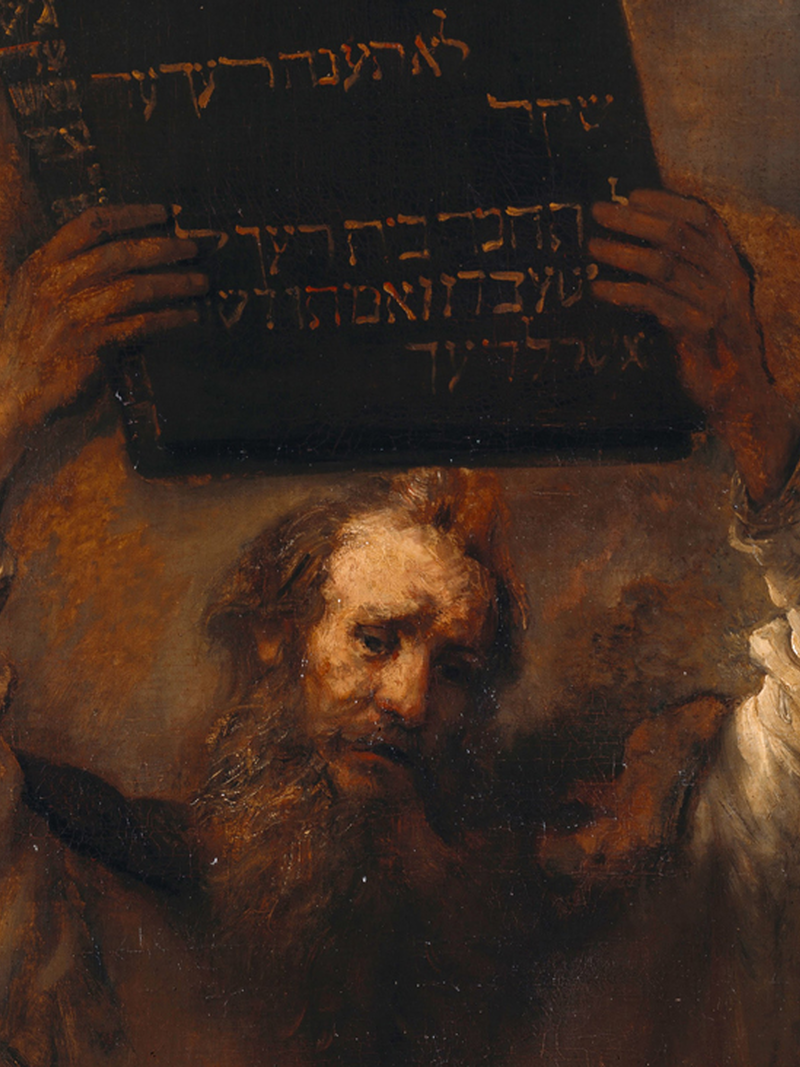
Dale C. Allison, Jr., The New Moses: A Matthean Typology (Minneapolis: Fortress, 1993). Dale Allison 1993 book is a superb case study in the New Testament's use of the Old. Though he focuses on only a single typology (Christ as a new Moses) in only a single gospel (Matthew), Allison's…

by Peter LeithartFebruary 4, 2016

Showing page 136 of 309

See all

Showing page 22 of 43

See all

House of Wisdom

1 Chronicles 22 records a lengthy speech from David to his son Solomon. The very setup suggests an analogy with the book of Proverbs, in which Solomon gives instructions to his son the prince. For the Chronicler, Solomon learned to teach wisdom by receiving it from David. That formal hint…

December 1, 2016

Sources of Apocalyptic

I n his 1892 Lectures on the Apocalypse (29–30), William Milligan argues that “the symbolism of the Revelation is wholly and exclusively Jewish.” He illustrates: Even “the crown of life” in chap. i. 10 is not the wreath of the victor in the Grecian games, but the Hebrew crown of…

December 1, 2016

Limits of Pen and Tongue

S hakespeare's Sonnet 103 laments the limits of language to capture the thing it describes. “Look in your glass,” the poet says, and you will see a face that overwhelms “my blunt invention quite.” The reality dulls the poet’s lines and disgraces him. And it would be a sin to…

November 30, 2016

Church With Soul of America?

The paragraphs below are taken, with slight changes, from a column I wrote at Firstthings.com in July 2015. The questions are even more pressing since Trump's election. I mmigration has always roiled under the surface of American politics. It’s the price of being America, a land subdued by outcasts and…

November 30, 2016

A House by and for Nations

A fter David sinfully takes a census of Israel (1 Chronicles 21), the threshing site where he builds the altar that arrests the plague becomes the temple site (1 Chronicles 22:1). David begins preparations for the temple. First, he gathers the “strangers” (Heb. ger ), non-Israelite residents of the land…

November 29, 2016

Love Well What You Leave

S hakespeare's Sonnet 73 embodies the excessiveness of poetry. It’s possible to summarize the poem in a brief statement: “I’m getting old. I'll die. Love me while you can.” Why so belabor the point? One effect of belaboring through fourteen lines of iambic pentameter is to link aging with cosmic…

November 29, 2016

Showing page 228 of 2212

Browse by Category

In Medias Res

Your weekly digest for all things Theopolis.

Donate

Theopolis is nearly 100% donor-supported. Consider joining us on our mission.