Theopolis Logo

Writing

Explore our collection of theological essays, biblical studies, and reflections on faith and culture.

See all
e99a9334
Advent

Stretching Christmas

For many people Christmas comes on December 25 and is over December 26. The tree is taken down along with the lights and the other decorations, and everyone begins setting the house in order for the new year. No more Christmas hymns. No more celebrations (well, until New Year’s Eve).…

by Steve WilkinsDecember 24, 2016
ascension
Advent

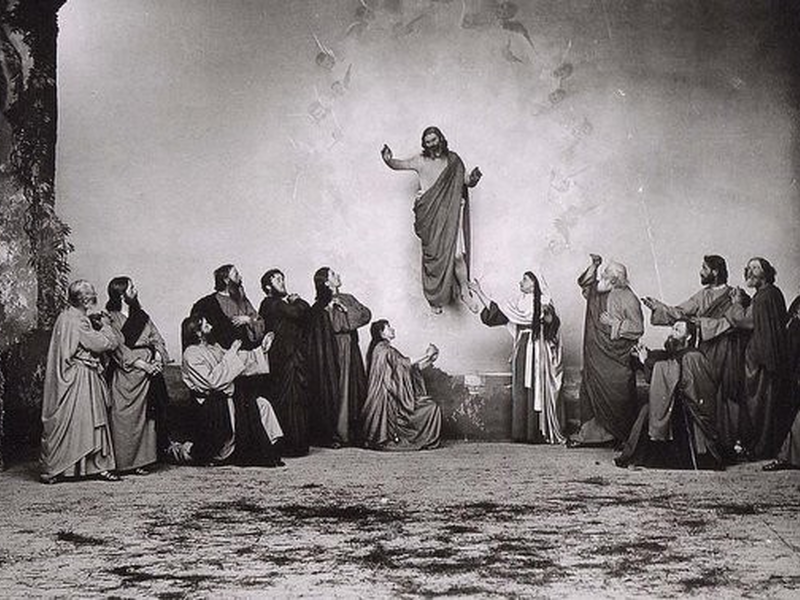
Ascension and Incarnation

The Ascension and the Incarnation should not be disconnected in our Christmas thinking or celebrations. As N.T. Wright notes, the ascension is "a central and vital feature without which all sorts of other things start to go demonstrably wrong. . . . where the ascension has been ignored or misunderstood,…

by Roy AtwoodDecember 23, 2016
nativity-rembrandt
Advent

Christmas Light

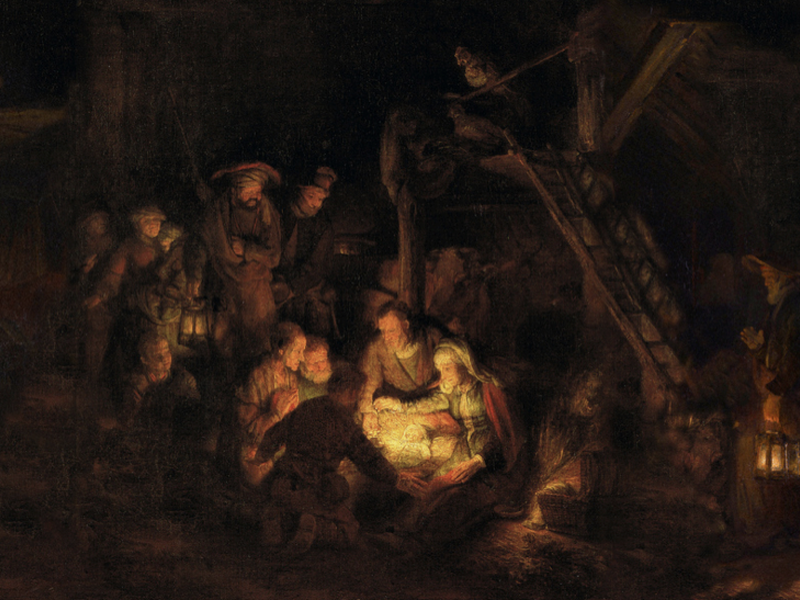
“In the Word was life, and the life was the light of men. And the light shines in the darkness.” Thus John describes the incarnation of the Son. He comes as the living and life-giving light of the world. That’s good news. In the beginning, God spoke and light shone…

by Peter LeithartDecember 23, 2016
nativity-chagall
Advent

The Spirit of Christmas

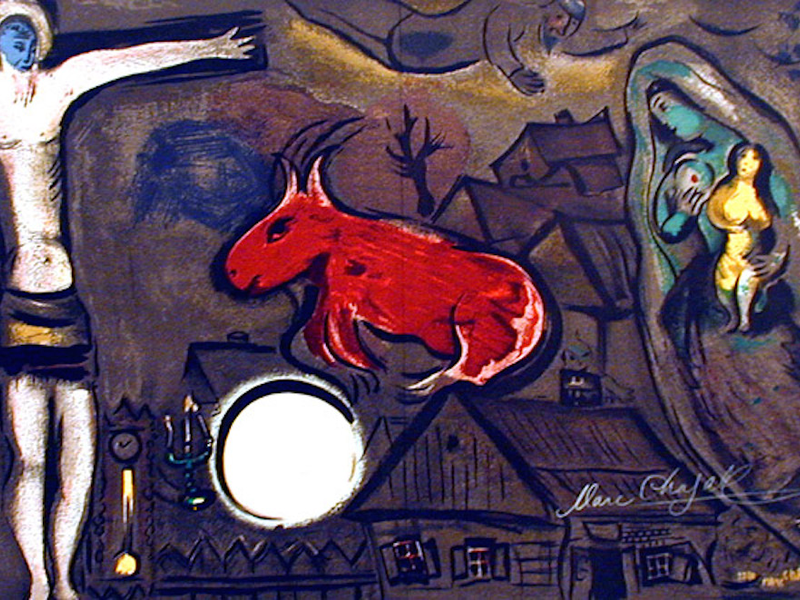
Christmas is all about Jesus. The angels announce Jesus’ birth, shepherds and wise men come to see Jesus, Herod wants to kill Jesus. We occasionally think of the Father who sent the Son, but we keep returning to the Son made flesh in Bethlehem’s manger. Meanwhile, as always, the Spirit…

by Peter LeithartDecember 22, 2016
nativity
Advent

The Humility of God

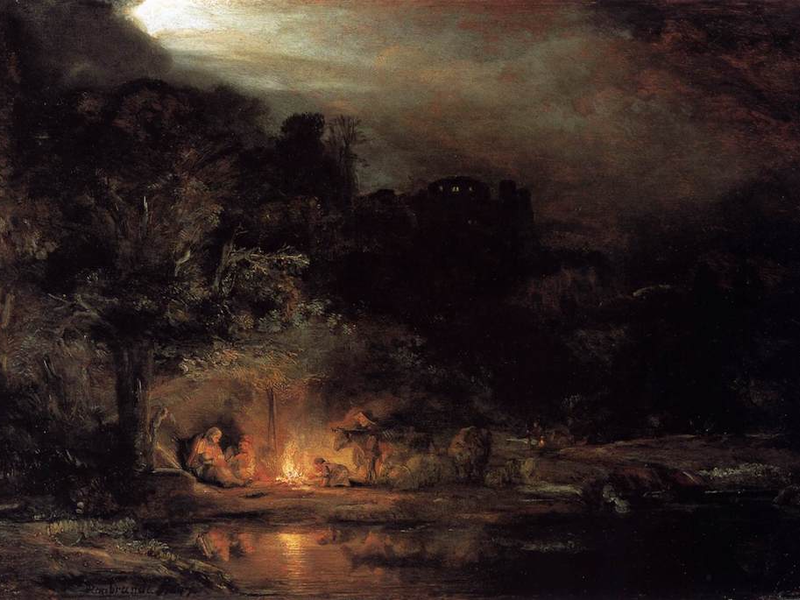
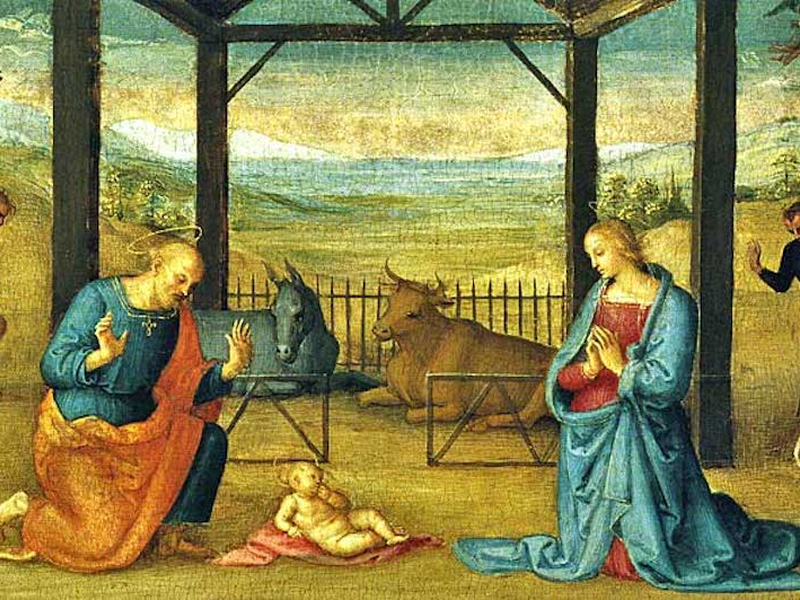
Christmas is about many things, but one of the chief things revealed in the gospel of Christmas is the humility of God. We don't often think of humility as an attribute of God. If God is glorious and exalted, we think, He must be haughty and proud and self-centered. We…

by Peter LeithartDecember 21, 2016
screenshot-2025-12-15-at-8-35-45-am
Advent

Advent of Unity

John famously begins his Gospel with a piece of theology: “In the beginning was the Word, and the Word was with God, and the Word was God.” Matthew starts with a genealogy. John celebrates Advent with a hymn, Matthew with a list. For John, Jesus is the Word of creation…

by Peter LeithartDecember 20, 2016

Showing page 120 of 309

See all

Showing page 22 of 43

See all

Yahweh the Teacher

Genesis 1 presents a macro-creation, Genesis 2 a micro-creation. The latter follows the former, for humanity is micro-cosmic. The Spirit hovers over waters, and water arises to water the ground. God speaks light into existence, and by the same breath He makes Adam a living soul. Day 1. Yahweh forms…

April 8, 2015
Liturgy

Omnivorous Liturgy

We stand, we kneel, we sit, we stand, we kneel. The postures of liturgy write “upon the bodies of those who perform it frequently a habit of acting as an unworthy recipient of a prevenient gift” (Paul Griffiths, Decreation , 232). By developing the habits that the liturgy impresses on…

April 7, 2015

The Primacy of Pattern

“When we do science,” writes William Dembski in his Being As Communion (85), “we don't encounter matter in its raw state nor do we encounter sensory experiences in their raw state. Rather, we encounter certain patterns to the exclusion of others. In other words, we encounter information. The material and…

April 7, 2015

World-Making Word

The Creator God is a speaker, who speaks to form the formless, dark, and empty void into the structured and glorious cosmos. As images of the world-making God who speaks, we also make worlds with words. Genesis 1 provides a paradigm, an allegory of world-making words. In the darkness, words…

April 7, 2015

When Stars Fall

NT Wright has insisted over the years that the apocalyptic language of the gospels (Matthew 24; Mark 13; Luke 21) doesn't refer to the end of the space-time universe but to the end of a socio-political order. Edward Adams dissents in his 2007 The Stars Will Fall From Heaven .…

April 6, 2015

More Than Anxiety

Laura Pelaschiar's forthcoming Joyce/Shakespeare collects essays that explore the various facts of Joyce's use, misuse, criticism, and combat with Shakespeare. She observes that “Shakespeare’s existence in Joyce is tentacular and functions on many different levels: cultural, structural, political, thematic, contrapuntal, imitational, quotational/misquotational, stylistic, lexical, psychological, or psycholiterary.” Joyce's reception of…

April 6, 2015

Showing page 443 of 2212

Browse by Category

In Medias Res

Your weekly digest for all things Theopolis.

Donate

Theopolis is nearly 100% donor-supported. Consider joining us on our mission.