Theopolis Logo

Writing

Explore our collection of theological essays, biblical studies, and reflections on faith and culture.

See all
tanner-mardis-xuxghzhibn4-unsplash-1-2
Biblical Studies

Tweets-turned-Notes on the Bible’s Chronology

Summary In what follows, I will consider the “year-stamps” employed in Scripture, i.e., statements of the form, “Such-and-such an event took place in the Xth year of Y.” In the process, I will suggest some ways in which the Biblical narrative might relate to events in the extra-Biblical world, though…

by James BejonJuly 16, 2019
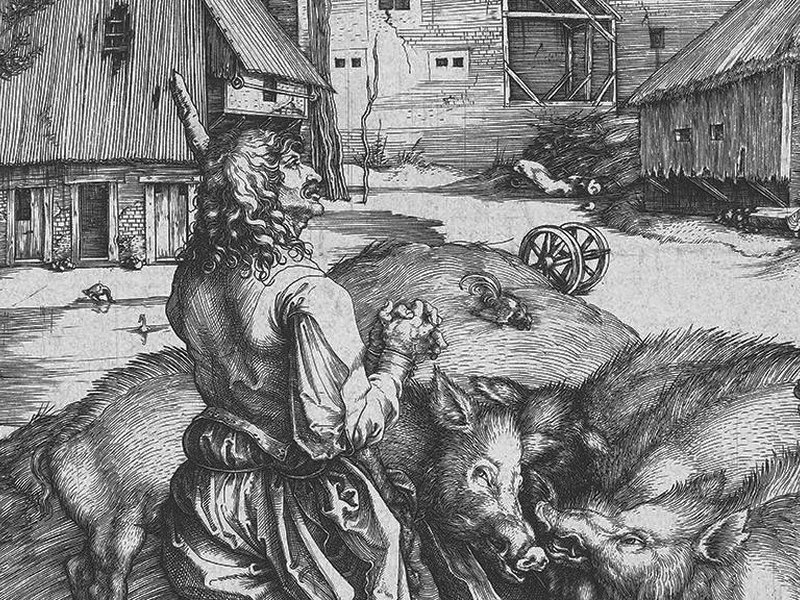
durer-prodigal-son-2
Luke

Perspectives on the Prodigal, (Part 2)

In the first essay on the parable of the Prodigal Son, I suggested that the problems commentators and others encounter in interpreting Jesus three-part parable are not accidental. These are not just problems in our ignorance of cultural background. They are intentional features of the stories —stories designed to poke…

by Ralph Allan SmithJuly 11, 2019
durer-prodigal-son-2
Luke

Perspectives on the Prodigal, (Part 1)

The story of the Prodigal Son is perhaps the most well-known story in the Bible. As others have observed, it may also be one of the most misunderstood. In two short essays, I will point out features of this story that are commonly neglected, aspects of Jesus’ parable that might…

by Ralph Allan SmithJuly 9, 2019
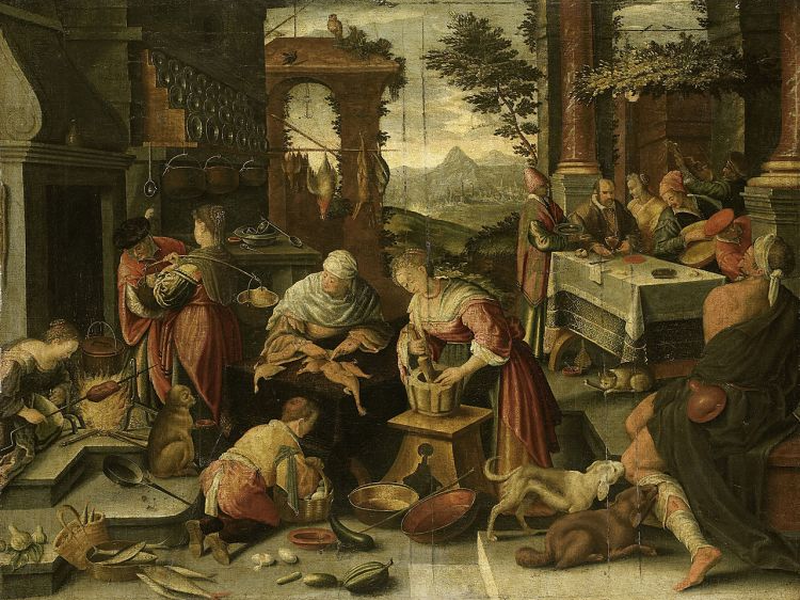
de-rijke-man-en-de-arme-lazarus-by-jacopo-da-ponte-16th-century
Luke

Lazarus and the Rich Man

The parable of Lazarus and the nameless rich man is not an independent story. It is part of a long context that begins in Luke 15:1, where Jesus is eating with tax collectors and sinners and the scribes and Pharisees grumble. In response to their hardheartedness, Jesus tells a three-part…

by Ralph Allan SmithJuly 4, 2019
aaron-burden-uynrnfdkjwg-unsplash
Luke

Everybody has Dropsy - Luke 14:1-24

The Bible is written so that even when a reader cannot pick up on what might be deeper or more detailed aspects of a text, there is virtually always a message to be heard. In the ancient world, where the “reader” of Scripture would likely be a church official facing…

by Ralph Allan SmithJuly 2, 2019
communion
Biblical Theology

Fruit Trees and Grain Plants

The distinction between garden (or vineyard) and field begins in Genesis 2. This relates to the ordering of the formless world. Plants of the field are contrasted with the garden planted by God in Genesis 2:5&8. Later on, under the Old Covenant the Israelites will be required to keep their…

by James B. JordanJune 27, 2019

Showing page 77 of 309

See all

Showing page 22 of 43

See all
Trinity

Subject and Object in the Trinity

In a recent discussion of penal substitution in the Journal of the Evangelical Theological Society , Garry Williams responds to the criticism that penal theories of the atonement are un-Trinitarian because they make the Son an object to the Father. Williams stresses that Jesus is a “subject of the atonement,”…

December 23, 2014

Substitution

Pannenberg’s treatment of the atonement in Jesus - God and Man is one of the best short discussions of the subject available. Unlike most classical atonement theologies, Pannenberg’s integrates the whole gospel story and the resurrection into his account of the meaning of the atonement. One of the best parts…

December 22, 2014
Christmas

I’m Dreaming of an American Christmas

White Christmas (1954) has been part of family Christmases for as long as I can remember. Bing Crosby’s voice is wonderful, but his middle-age-man-playing-hip hasn’t worn well over the years. Danny Kaye’s cracked-voice nervousness, his silly humor, and his surprisingly skillful dancing still work. Like all musicals, the film is…

December 22, 2014
Philosophy

Philosophies of Fear

Jack Miles a rambling, erudite, sometimes-insightful, half-hearted defense of religious faith to cultured despisers in the Atlantic . He found that as he matured, his youthful enthusiasm for Bertrand Russell and Camus waned. Turns out that science doesn’t overcome human ignorance like Russell thought it would: “with every increase in…

December 22, 2014

Dealing With Wrath

Frances Young argues in her Use of Sacrificial Ideas in Greek Christian Writers that the cross is primarily expiatory: It is God’s way of dealing with sin. It is not propitiatory in the ancient Greek sense of placating an angry God. How could it be, she asks, since the cross…

December 19, 2014

Origenist Atonement

Frances Young ( Use of Sacrificial Ideas in Greek Christian Writers ) has a very rich account of Origen’s understanding of the atonement. Recent critics of sacrificial violence have nothing on Origen. Reflecting on the story of Jephthah’s daughter, he wrote that “the Being must be a very cruel one…

December 19, 2014

Showing page 483 of 2212

Browse by Category

In Medias Res

Your weekly digest for all things Theopolis.

Donate

Theopolis is nearly 100% donor-supported. Consider joining us on our mission.