Theopolis Logo

Writing

Explore our collection of theological essays, biblical studies, and reflections on faith and culture.

See all
kalen-emsley-bkci_8qcdvq-unsplash-1
Biblical Horizons

The Sequence of Events in the Creation Week

To begin with the source of this narrative: Since no human being was present to observe these events, we must assume that this narrative was revealed directly by God to a human author. There are three ways this might have happened. First, we might read, "God said to Abraham (or…

by James B. JordanOctober 23, 1997
eq9mnztemoq7lwjacsh3ss
Biblical Horizons

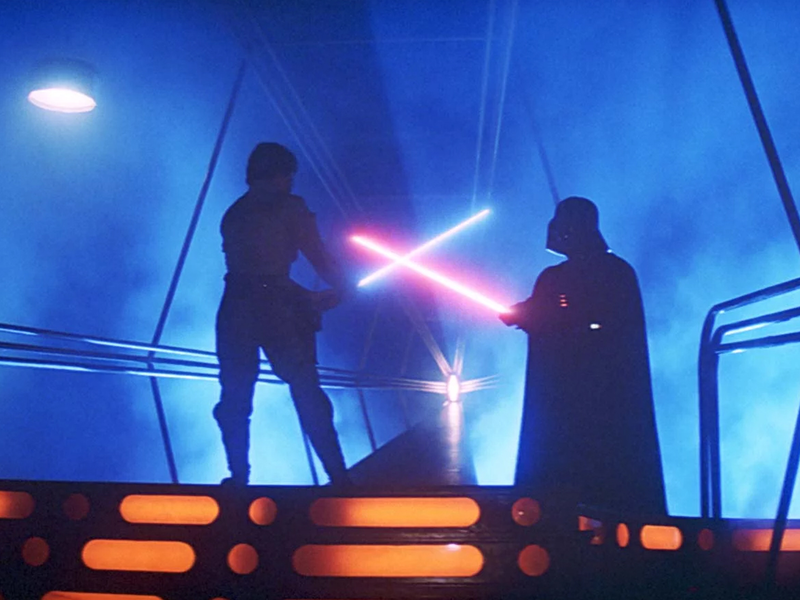
The Empire Strikes Back

The Empire Strikes Back is a movie most of us have seen more than once. It is generally regarded as the best of the three Star Wars films, which is probably due to the fact that unlike the other two, The Empire Strikes Back made use of the services of…

by James B. JordanOctober 4, 1997
lili-popper-lu15z1m_kfm-unsplash
Biblical Chronology

The Sequence of Events in the Creation Week, Part 1

Now that we have examined three unacceptable approaches to the events recorded in Genesis 1, it is only fair for me to set out what does seem to be recorded there. To begin with the source of this narrative: Since no human being was present to observe these events, we…

by James B. JordanOctober 4, 1997
raphael-schaller-gkincd2eniy-unsplash-6
Biblical Horizons

Cracking Up the “Bible Code”

Two books on the "Bible Code" have appeared this year. The first, a current bestseller, is Michael Drosnin’s The Bible Code (Drosnin, 1997). The other is Cracking the Bible Code (William Morrow, 1997), by Jeffrey Satinover, known to Christians for his outstanding 1996 book Homosexuality and the Politics of Truth…

by James B. JordanOctober 4, 1997
hannah-busing-0v6dmtujaik-unsplash
American Culture

The Case Against Western Civilization, Part 1

Part 1: Introduction The collapse of the Western tradition in the United States, seen in the hostility to Christianity in government and education, and the elimination of "traditional" or "canon" learning from our institutions of middle and higher learning, provides a crisis and an opportunity for serious believers at the…

by James B. JordanOctober 4, 1997
amjd-rdwan-erymmvvsy1y-unsplash-1
Theologia

Why Will You Die?

A Brief Defense of John Murray’s “the Free Offer of the Gospel,” & A Question About the Extent of the Atonement John Murray (1898-1975) is probably the last of the great American theologians; he belonged in the same set as that which contains such eminent Presbyterians as Charles Hodge and…

by Mark HorneOctober 3, 1997

Showing page 253 of 309

See all

Showing page 22 of 43

See all

History of Disgust

Norbert Elias’s The Civilizing Process traces modern standards of disgust and cleanliness to the development of court society during the Renaissance. Drawing on Elias, William Miller ( Anatomy of Disgust ) suggests sensitivity to disgust and being civilized are directly proportional. Martha Nussbaum ( Hiding from Humanity , 115-6) disagrees…

December 15, 2014

Islamic Revolutionaries

In his brilliant Earthly Powers (3), Michael Burleigh cites a passage from Tocqueville’s book on the French Revolution. Taking a note from Schiller about “how early modern religious wars spilled across political boundaries, which reminded Tocqueville of the ideological struggle between Jacobins and counter-revolutionaries in late-eighteenth-century Europe,” Tocqueville drew a…

December 12, 2014

Sacrificial Politics

Semyon Frank was a Russian emigre to London. Michael Burleigh ( Sacred Causes , 39) sums up his life: “Born in 1877 into a Russian-Jewish family, he had quickly outgrown a juvenile Marxism, converting to Orthodox Christianity in 1912, on the ground that the Jewish God was as remote from…

December 12, 2014
Modernity

Un-Secular Age

Our secular age can be sustained only if the secular has been carefully distinguished from the sacred, and only if the boundary between the two is vigorously, not to say violently, guarded. But boundary-drawing between the sacred and profane is the work of a priest. It is the sacred act…

December 12, 2014

Pure Aesthetics

Hugh Grady opens his Shakespeare and Impure Aesthetics (6-10) with a brief and illuminating discussion of Kant’s aesthetics of purity. By “pure” here is meant the freedom of aesthetic experience from cognitive reason and teleological judgments, from practical or moral interests. This disinterested experience of art is an encounter with…

December 12, 2014

After the Temple

Jonathan Klawans is a great one for cutting through nonsense. In his Purity, Sacrifice, and the Temple , he points to the oddity that “documents composed three, four, or even five centuries after the destruction are labeled as delayed responses to the destruction. . . the suggestion that it took…

December 11, 2014

Showing page 487 of 2212

Browse by Category

In Medias Res

Your weekly digest for all things Theopolis.

Donate

Theopolis is nearly 100% donor-supported. Consider joining us on our mission.