Theopolis Logo

Writing

Explore our collection of theological essays, biblical studies, and reflections on faith and culture.

See all
woman-bw
Grace

Never Be Dismayed

I'm afraid of messing up. Not just of messing up in general, but of messing this up—the big This that is the story that is my life, the story that God is attempting to tell with me as His material. The question casts its shadow over all my decisions. Can…

by Leta SundetOctober 6, 2015
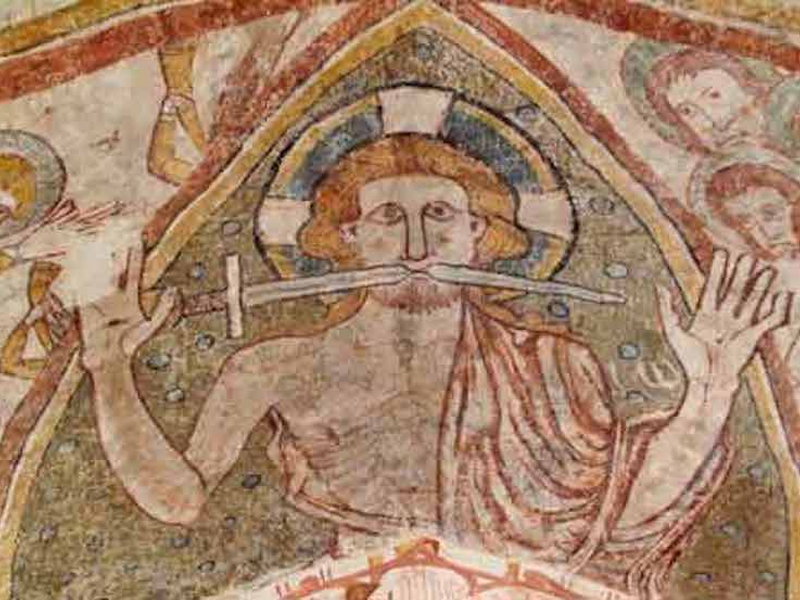
jesus-with-sword
Revelation

Greater Phinehas

Jesus’ letter to Pergamum mentions Balaam and Balak (Revelation 2:14), and that is a signal that the whole message is running along the lines of Numbers 22-25. The death of the high priest is a sacrificial moment in the life of Israel. According to the rules of the cities of…

by Peter LeithartOctober 1, 2015
marriage
Marriage

The Glory of Self-Giving: A Wedding Homily

As you come to be joined in marriage today, I want to take a moment to focus on one important dimension of what it means to be married as Christians: that is as those who know Jesus and are being made into His likeness. This is a glorious day, full…

by Joshua AppelSeptember 29, 2015
jesus-centurion
Authority

Authority and Faith

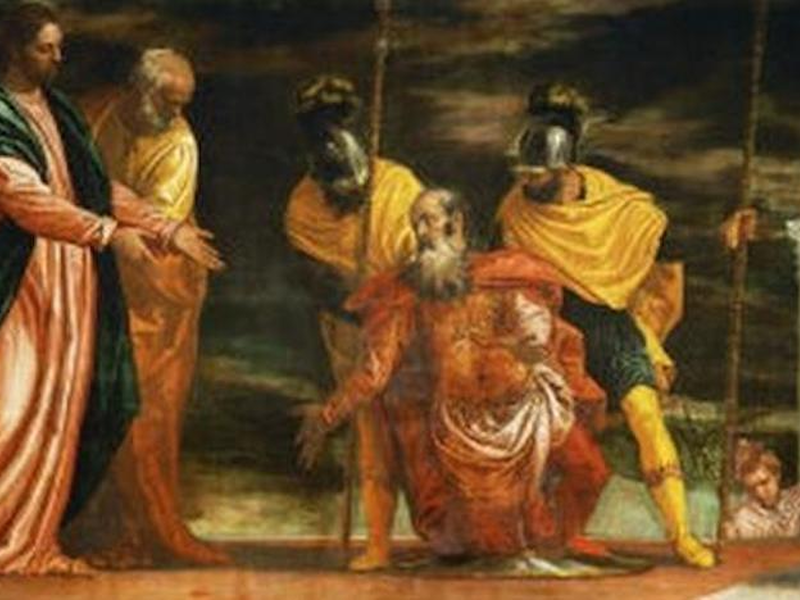
When Jesus was entered into Capernaum, there came unto him a centurion, beseeching him, saying, “Lord, my servant lieth at home sick of the palsy, grievously tormented.” Jesus saith unto him, “I will come and heal him.” The centurion answered and said, “Lord, I am not worthy that thou shouldest…

by Lindsey TollefsonSeptember 24, 2015
creation-eve-2
Genesis

The Two Shall Become One Flesh: A Wedding Homily

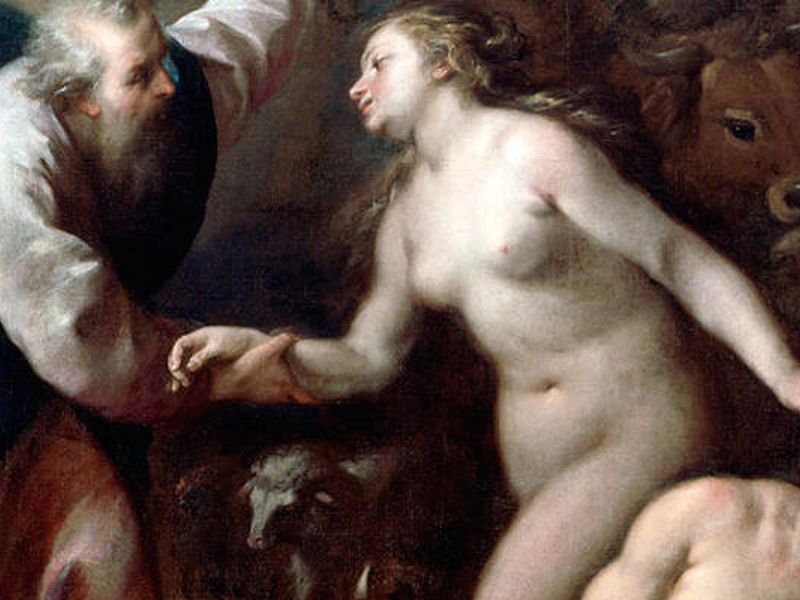
Philosophers have measured mountains, Fathom'd the depths of seas, of states, and kings, Walk'd with a staff to heaven, and traced fountains But there are two vast, spacious things, The which to measure it doth more behove: Yet few there are that sound them; Sin and Love. The Agonie –…

by Joshua AppelSeptember 22, 2015
john-baptist-pointing
Luke

Of Sandals and Heroes

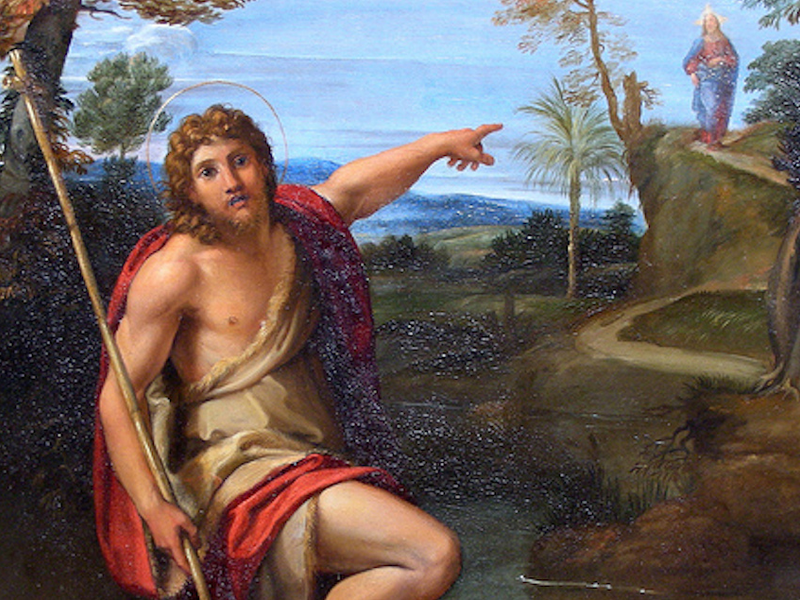
The third chapter of Luke famously opens with a list of mighty men, seven mighty men, potential heroes of the Mediterranean world. Beginning with Tiberius Caesar and Pontius Pilate, passing on to Herod the Tetrarch and his brothers, and ending with two High Priests, Luke says that the word of…

by Toby SumpterSeptember 17, 2015

Showing page 143 of 309

See all

Showing page 22 of 43

See all

Chaucerian apocalypse

In their The Apocalyptic Imagination in Medieval Literature , Richard Emmerson and Ronald Herzman find apocalypse in unexpected places. Like Chaucer. For the medieval mind, any pilgrimage evoked the pilgrimage of the soul toward heaven, and The Canterbury Tales is no different: “For the individual pilgrims, the pilgrimage suggests the…

March 19, 2013
Uncategorized

Stephen’s Sermon in Luke-Acts

Someone recently referred me to Delbert L. Wiens’s Stephen’s Sermon and the Structure of Luke-Acts . It looks wonderful. He has a triple thesis: First, that Stephen’s speech is “a politike in the broadest sense, a sociological and political account of the levels and developmental stages of the Kingdom of…

March 19, 2013

It’s Coming

In his wonderful Jesus and the Victory of God , NT Wright compiles all the passages where Jesus warns of an impending catastrophe, within “this generation.” It’s a long list. Someone needs to do the same with the rest of the New Testament. (Andrew Perriman’s The Future of the People…

March 19, 2013

Prodigals and older brothers

Matthew doesn’t tell the parable of the Prodigal Son, but he might has well have. He records the parable of the laborers in the vineyard, which has the same structure and point. Some laborers work through the heat of the day, some come at the 11th hour and work only…

March 19, 2013

Cup-bearer

Jeremiah tells the exiles that they will be conquered by Yahweh’s “servant” Nebuchadnezzar and will be under Babylon for 70 years (Jeremiah 25:8-11). When the time’s up, Yahweh will punish Babylon and recompense them for their deeds (vv. 12-14). In preparation for this eventual judgment, Yahweh hands a cup to…

March 19, 2013
Literature

Gogol’s Sobornost

Nicolai Gogol’s mystical, exotic religious views didn’t quite fit any form of orthodox Christianity. Orthodoxy deeply marked him, especially Orthodoxy monasticism. After his first visit to the monastery at Optina, Gogol wrote that he “took a memory away with me that will never fade. Clearly, grace dwells in that place.…

March 18, 2013

Showing page 772 of 2212

Browse by Category

In Medias Res

Your weekly digest for all things Theopolis.

Donate

Theopolis is nearly 100% donor-supported. Consider joining us on our mission.