Theopolis Logo

Writing

Explore our collection of theological essays, biblical studies, and reflections on faith and culture.

See all
tanner-mardis-xuxghzhibn4-unsplash-1-2
Biblical Studies

Tweets-turned-Notes on the Bible’s Chronology

Summary In what follows, I will consider the “year-stamps” employed in Scripture, i.e., statements of the form, “Such-and-such an event took place in the Xth year of Y.” In the process, I will suggest some ways in which the Biblical narrative might relate to events in the extra-Biblical world, though…

by James BejonJuly 16, 2019
durer-prodigal-son-2
Luke

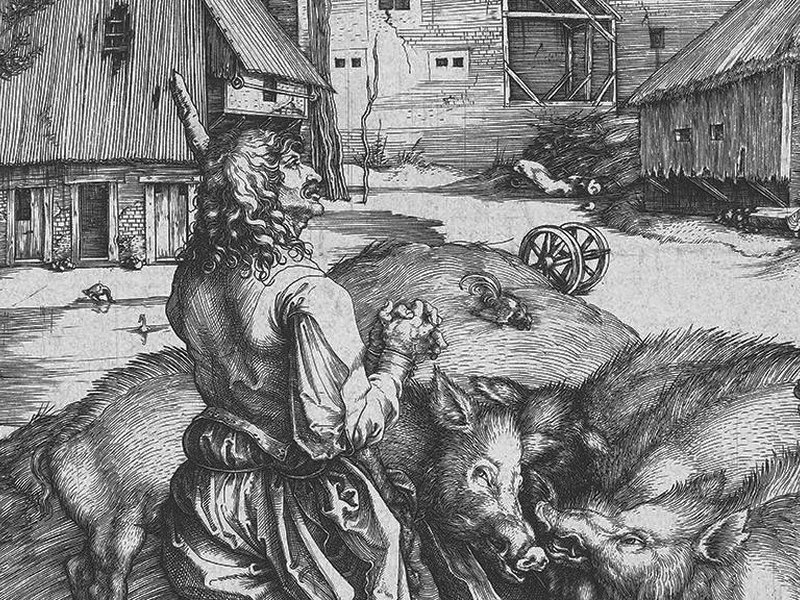
Perspectives on the Prodigal, (Part 2)

In the first essay on the parable of the Prodigal Son, I suggested that the problems commentators and others encounter in interpreting Jesus three-part parable are not accidental. These are not just problems in our ignorance of cultural background. They are intentional features of the stories —stories designed to poke…

by Ralph Allan SmithJuly 11, 2019
durer-prodigal-son-2
Luke

Perspectives on the Prodigal, (Part 1)

The story of the Prodigal Son is perhaps the most well-known story in the Bible. As others have observed, it may also be one of the most misunderstood. In two short essays, I will point out features of this story that are commonly neglected, aspects of Jesus’ parable that might…

by Ralph Allan SmithJuly 9, 2019
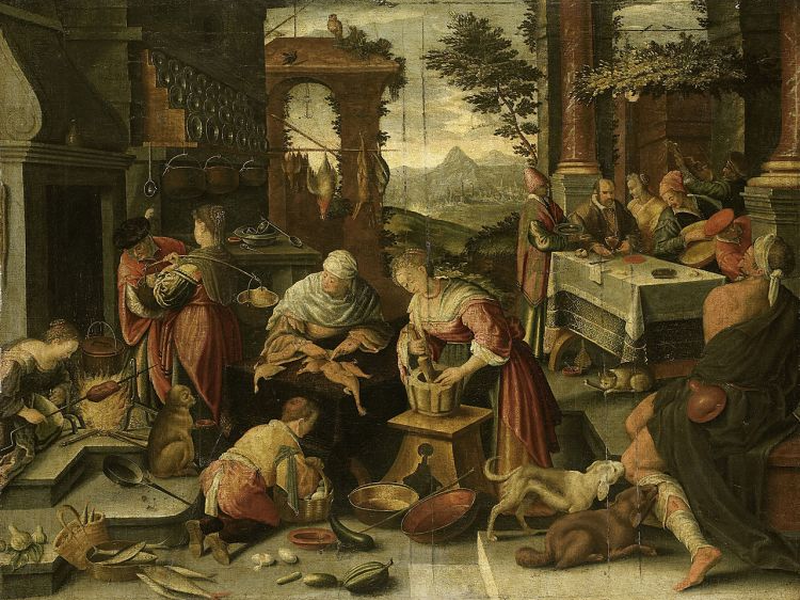
de-rijke-man-en-de-arme-lazarus-by-jacopo-da-ponte-16th-century
Luke

Lazarus and the Rich Man

The parable of Lazarus and the nameless rich man is not an independent story. It is part of a long context that begins in Luke 15:1, where Jesus is eating with tax collectors and sinners and the scribes and Pharisees grumble. In response to their hardheartedness, Jesus tells a three-part…

by Ralph Allan SmithJuly 4, 2019
aaron-burden-uynrnfdkjwg-unsplash
Luke

Everybody has Dropsy - Luke 14:1-24

The Bible is written so that even when a reader cannot pick up on what might be deeper or more detailed aspects of a text, there is virtually always a message to be heard. In the ancient world, where the “reader” of Scripture would likely be a church official facing…

by Ralph Allan SmithJuly 2, 2019
communion
Biblical Theology

Fruit Trees and Grain Plants

The distinction between garden (or vineyard) and field begins in Genesis 2. This relates to the ordering of the formless world. Plants of the field are contrasted with the garden planted by God in Genesis 2:5&8. Later on, under the Old Covenant the Israelites will be required to keep their…

by James B. JordanJune 27, 2019

Showing page 77 of 309

See all

Showing page 23 of 43

See all

Conservatism's Putin Dilemma

W riting in The American Conservative , Paul Gottfried pinpoints the conservative quandary regarding Putin. On the one hand: “Putin makes no secret about his associations with the Right, whether he is speaking out against the power of LGBT activists in the West, praising the cultural influence of the Russian…

July 20, 2017

Structure of Philippians

What follows is a rough structural analysis of Philippians. Rough, but perhaps it illuminates: A. Joy in imprisonment, 1:1–16 B. Live like citizens of the gospel, 1:27–30 C. Have the mind of Christ, 2:1–11 D. Shared joy, 2:12–18 E. Timothy and Epaphroditus, 2:19–30 D'. Rejoice in the Lord, 3:1 C'.…

July 20, 2017

Whose Fool?

P aul can sound like the Solomon of Proverbs: “Be careful how you walk, not as unwise men but as wise, making the most of your time, because the days are evil. So then do not be foolish but understand what the will of the Lord is” (Ephesians 5:15–17). Wisdom…

July 19, 2017

The Allegory of Troilus

T roilus appears in the Iliad and Aeneid , but only in death scenes. Ancient epics don't tell the story of his tragic love for Criseyde or Cressida. Characteristically enough, the love story became the main Troilus legend during the middle ages, first recounted by Benoit's Roman of Troie ,…

July 18, 2017

Locke, Wesley, Romanticism

R ichard Brantley states the thesis of his 1984 Locke, Wesley, and the Method of English Romanticism early in his book: First, Locke's theory of knowledge grounds the intellectual method of Wesley's Methodism. And second, Wesley's Lockean thought (i.e., his reciprocating notions that religious truth is concerned with experiential presuppositions,…

July 18, 2017

David the Anti-Saul

W hy does the Chronicler begin his narrative with Saul, and why with Saul's death? As William Riley argues in his King and Cultus in Chronicles , the Saul narrative introduces topics that shadow the account of the Davidic kings. Specifically, the account of Saul's death raises the question of…

July 17, 2017

Showing page 161 of 2212

Browse by Category

In Medias Res

Your weekly digest for all things Theopolis.

Donate

Theopolis is nearly 100% donor-supported. Consider joining us on our mission.