Theopolis Logo

Writing

Explore our collection of theological essays, biblical studies, and reflections on faith and culture.

See all
little-girl
Children

Honor God With Your Body

I am making a new rule in our house! We are actually kind of skimpy on the house rules. I try very hard to keep things simple: love God, love others, be joyful. It’s not complicated to avoid discipline here. But I have found myself repeating this new rule over…

by Lindsey TollefsonApril 9, 2015
giotto-noli-me-3
John

The Gardener and the Beloved, (Part 3)

Click HERE for Part 2 The voice of Jesus transforms and changes Mary when she hears him speak her name. This is her last “turning.” So also the woman in the Song of Songs longs to hear the voice of her beloved. Let me see your face, let me hear…

by Jeff MeyersApril 6, 2015
giotto-noli-me-2
John

The Gardener and the Beloved, (Part 2)

Click HERE for Part 1. The details of this story call the attentive reader back to the drama of Solomon’s Song of Songs. And the Song of Song’s alludes to, ties us into the story of Adam and Eve in the Garden and the promise of a coming Messiah that…

by Jeff MeyersApril 4, 2015
easter-term-2015-2
Theopolis News

Easter Term, 2015

“The course was a paradigm shift for me,” said Jonathan Sedlak, a Milwaukee electrical contractor who attended Theopolis’s course on Revelation. “I am left with a book that is far more practical than it has ever seemed before.” Jonathan Anderson of Louisville, Kentucky found the course “refreshing.” “I finished with…

by TheopolisApril 2, 2015
psalm-singing
Genesis

Worship as Response: Liturgical Logic, (Part 1)

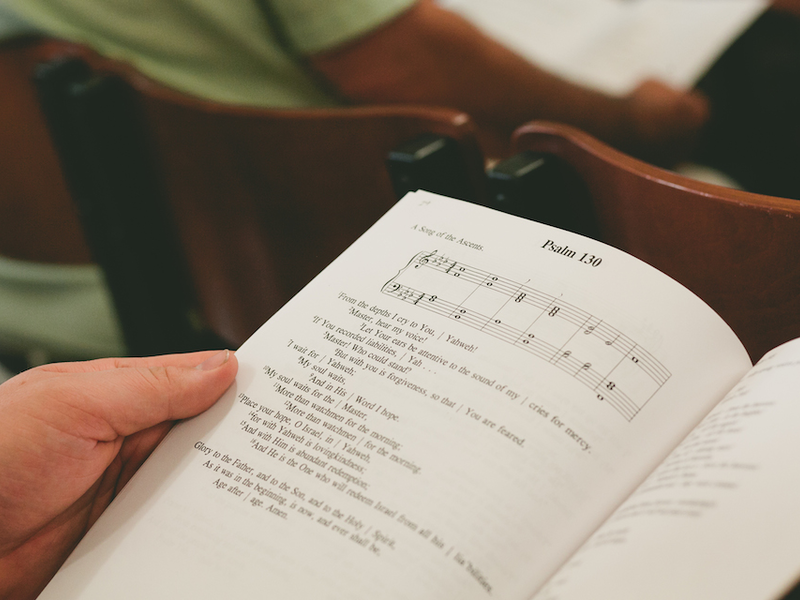
“It is only by participation in a rational, practice-based community that one becomes rational.” – Alasdair MacIntyre It may be perfectly clear to a chef why adding unsifted powdered sugar to a hot frosting is a bad idea. But for an amateur cook, this may be the kind of rule…

by Jonathan BarlowApril 2, 2015
giotto-noli-me
John

The Gardener and the Beloved, (Part 1)

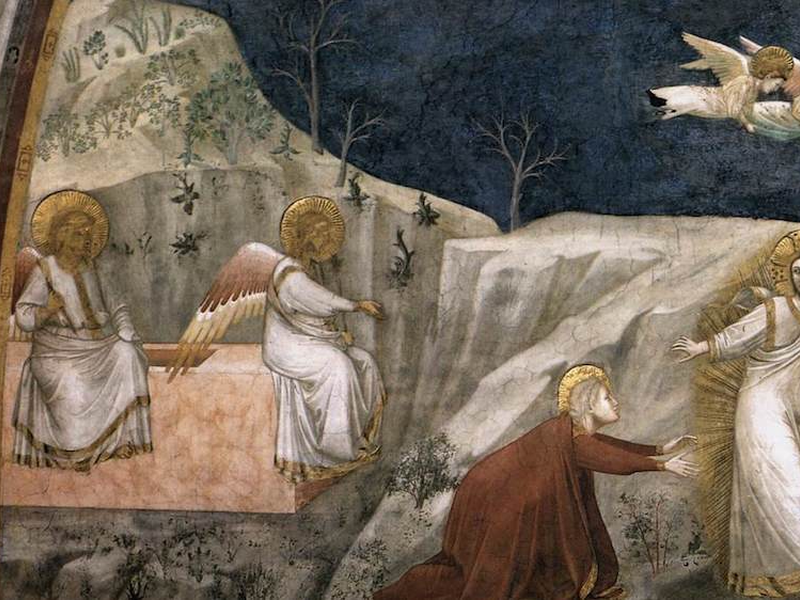
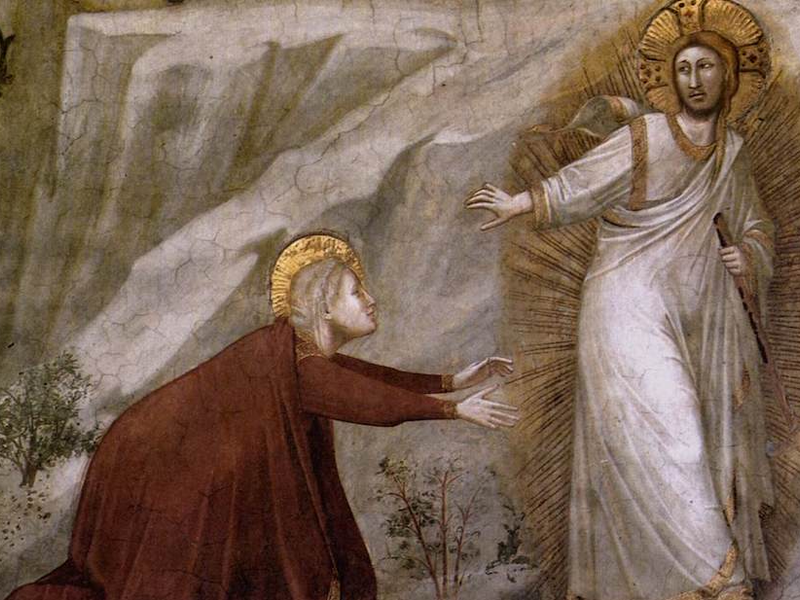
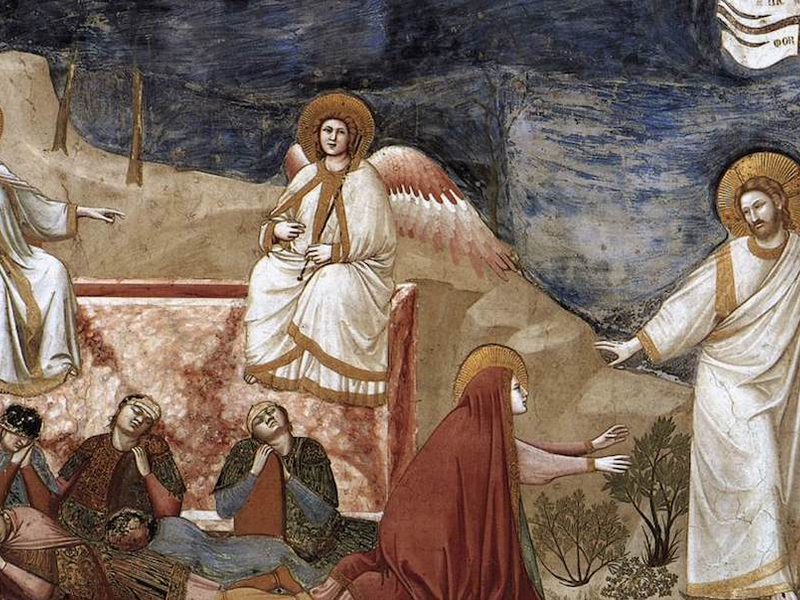
On a fresco in a chapel in Padua, Italy, there is a famous painting depicting the dramatic post-resurrection scene in John 20 with Mary and Jesus outside of the garden tomb. Giotto di Bondone painted it in the early 14th century. Jesus is striding from the tomb with a victor’s…

by Jeff MeyersApril 1, 2015

Showing page 156 of 309

See all

Showing page 23 of 43

See all
Philosophy

Descartes’s Double Self

In his history of modern Western views of the self ( The Idea of the Self , Cambridge 2005), Jerrold Seigel offers what he believes is a fresh interpretation of the implications Descartes’s cogito . He asks, Who is the subject, the “I,” implied by the cogito and the sum…

August 12, 2006
Philosophy

Descartes’s Double Self

In his history of modern Western views of the self ( The Idea of the Self , Cambridge 2005), Jerrold Seigel offers what he believes is a fresh interpretation of the implications Descartes’s cogito . He asks, Who is the subject, the “I,” implied by the cogito and the sum…

August 12, 2006
History

Reaching back

Bruce Holsinger shows that “postmodern” theory reaches back beyond the modern period to find resources for anti-modern critique in the medieval world. Early modern thinkers made a similar move: Stephen McKnight notes (in a Mars Hill Audio interview) that early modern scientists like Francis Bacons claimed to be recovering an…

August 12, 2006
History

Descartes’s ambitions

Descartes’s original title for Discourse on Method was “Project for a Science that Can Raise our Nature to its Highest Degree of Perfection.” And for a number of years he worked on a treatise in which he “resolved to explain all the phenomena of nature, that is all of physics”…

August 12, 2006
History

Descartes’s ambitions

Descartes’s original title for Discourse on Method was “Project for a Science that Can Raise our Nature to its Highest Degree of Perfection.” And for a number of years he worked on a treatise in which he “resolved to explain all the phenomena of nature, that is all of physics”…

August 12, 2006
Theology

Not Quite Postmodern

In his very fine, lucid book, Who’s Afraid of Postmodernism? (Baker 2006), James KA Smith notes that many postmodern theologies, especially influenced by Derrida’s apophaticism, are anti-dogmatic: “postmodern religious faith eschews knowledge and therefore also eschews the particularity of dogma and doctrine. In other words, according to this line of…

August 11, 2006

Showing page 1813 of 2212

Browse by Category

In Medias Res

Your weekly digest for all things Theopolis.

Donate

Theopolis is nearly 100% donor-supported. Consider joining us on our mission.