Theopolis Logo

Writing

Explore our collection of theological essays, biblical studies, and reflections on faith and culture.

See all
cloister

Gatekeepers

1 Chronicles 9:1 seems to bring the genealogies of 1 Chronicles to an end. The Chronicler has recorded the genealogy of the human race from Adam, focusing on the descendants of Abraham through Jacob. Summing it all up, he says, “So all Israel was enrolled by genealogies; and behold, they…

by Peter LeithartJune 21, 2016
trinity-1-2
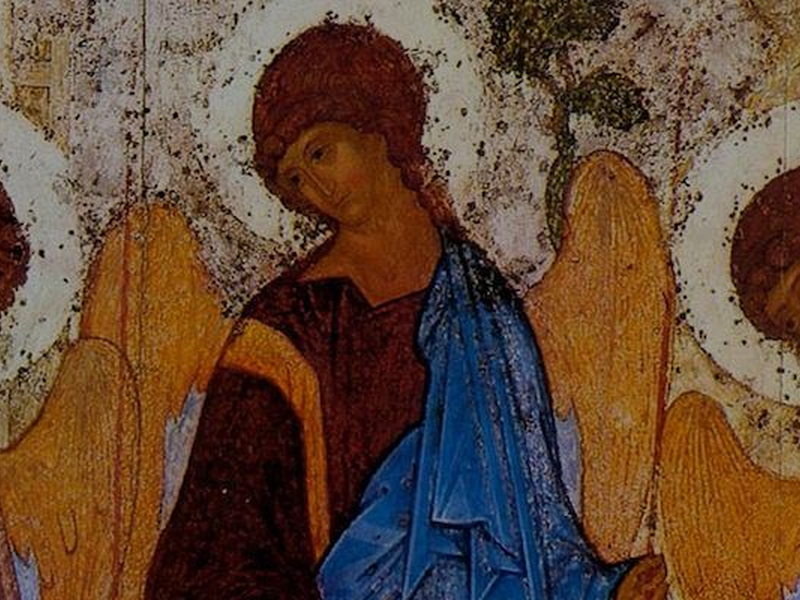
Trinity

Are the Divine Persons Persons?

The “personalist” understanding of the Trinity, articulated most influentially in the work of John Zizioulas, has fallen on hard times. Recent scholars have attacked Zizioulas’s idea that Cappadocian Trinitarianism represented an ontological revolution, hammering on the distinction between divine and human personhood. Michel Barnes’s conclusion is the most drastic of…

by Peter LeithartJune 16, 2016
img_4660-2
Architecture

On Biblical Theology

Biblical Theology is often defined as the historical unfolding of God’s revelation, or of God’s revelation and of the history of his covenantal redemption and transformation of humanity and the world. In practice, Biblical Theology is usually broader than this, and also includes the study of literary structure and of…

by James B. JordanJune 14, 2016
laughing_statue_by_xxbobbiie-d5f0meh-2
Humor

Wise Laughter

We are made to be happy. Created to enter into the eternal joy of God, our whole being inclines to that end, but the fallen world has put forth barriers and by our own sin we bar ourselves from that endless delight, and death blinds us to that reality. Yet…

by Remy WilkinsJune 7, 2016
img_7664
Liturgy

Why Theopolis? Take Two

At the end of Revelation, John sees the heavenly city descending to earth. The city shines with the brilliance of God's glory, which lightens the nations, so that kings bring their glory to the city. This is not a vision of the final new heaven and new earth. It's a…

by Peter LeithartJune 2, 2016
trinity-1-2
Attributes of God

How Can We Talk About God?

“No one has ever seen God,” writes John (John 1:18). If this is the case, then how can we speak about God? Some people say we actually cannot. Or at least we cannot speak about God positively, i.e. who He is. We can only say who or what God is…

by Bogumil JarmulakMay 31, 2016

Showing page 130 of 309

See all

Showing page 23 of 43

See all

Singing the Apocalypse

Revelation seems to be the province of fundamentalists, dispensationalists, popapocalyptics. It's far too cartoonish, stark, violent, demanding to be at home in the mainline. Craig Koester ( Revelation and the End of All Things ) points out that mainline churches actually hear very little of the Apocalypse in church. The…

December 2, 2015

Slaughterhouse of the World

Yahweh brings a devastating judgment on His own people and on Edom, slaughtering and destroying them. He empties the land of Edom, and fills their cities with wild animals (Isaiah 34-35). What has this got to do with us? Everything. What Isaiah depicts is a figure of the gospel story.…

December 2, 2015

God the Last Thing

God only speaks twice directly to the reader in Revelation, Craig Koester points out ( Revelation and the End of All Things , 51). He says the same thing both times: “I am the Alpha and the Omega . . . who is and who was and who comes, the…

December 1, 2015

Conceit of Humanitarianism

You get the gist of Rajan Menon's argument from the title of his forthcoming book: The Conceit of Humanitarian Intervention . The position he opposes is based on the assumption that the end of the Cold War fundamentally altered geopolitical conditions, and that our contemporary interconnected world is converging toward…

December 1, 2015

Mapping Jane Austen

Janine Barchas ( Matters of Fact in Jane Austen ) says that Austen's world had a nascent celebrity culture. Baronets were well known; court scandals made news. There was an 18th-century equivalent of the National Inquirer and paparazzi. Austen knew this world, and she makes references to it in her…

December 1, 2015

Liberalism's Dilemma

In The Myth of Liberalism , John Safranek observes that recent Supreme Court decisions identify freedom with autonomy: “both restrain the government from interfering with an individual's personal and self-defining decisions” (109). As the majority said in Casey , the right to self-definition is “at the heart of liberty,” such…

November 30, 2015

Showing page 346 of 2212

Browse by Category

In Medias Res

Your weekly digest for all things Theopolis.

Donate

Theopolis is nearly 100% donor-supported. Consider joining us on our mission.