Theopolis Logo

Writing

Explore our collection of theological essays, biblical studies, and reflections on faith and culture.

See all
paul-2
Romans

Notes on Scary Stuff in Romans 9

What shall we say then? Is there injustice on God’s part? By no means! For he says to Moses, “I will have mercy on whom I have mercy, and I will have compassion on whom I have compassion.” So then it depends not on human will or exertion, but on…

by Mark HorneFebruary 5, 2015
lunch-counter
American Politics

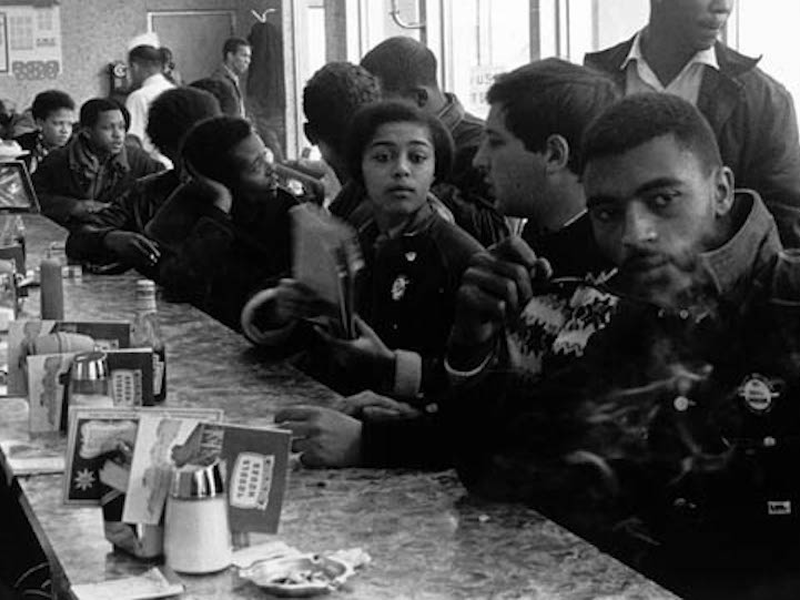
Covenants of Exclusion

A hundred years ago, William Warley signed a contract to buy a house in Louisville, Kentucky from Charles Buchanan, a white man. Before closing the sale, Warley, who was black, learned that the lot was subject to a city ordinance barring blacks from occupying the premises if most of the…

by Brendan O'DonnellFebruary 3, 2015
shakespeare-2
Literature

The Bard and the Book

I concluded the first essay on this topic by saying that I would introduce three books about Shakespeare and the Bible, but I decided to introduce four instead. The three books become four are: Naseeb Shaheen, Biblical References in Shakespeare’s Plays (London: Associated University Presses, 1999) ; Hannibal Hamlin, The…

by Ralph Allan SmithJanuary 29, 2015
augustine-2
Augustine

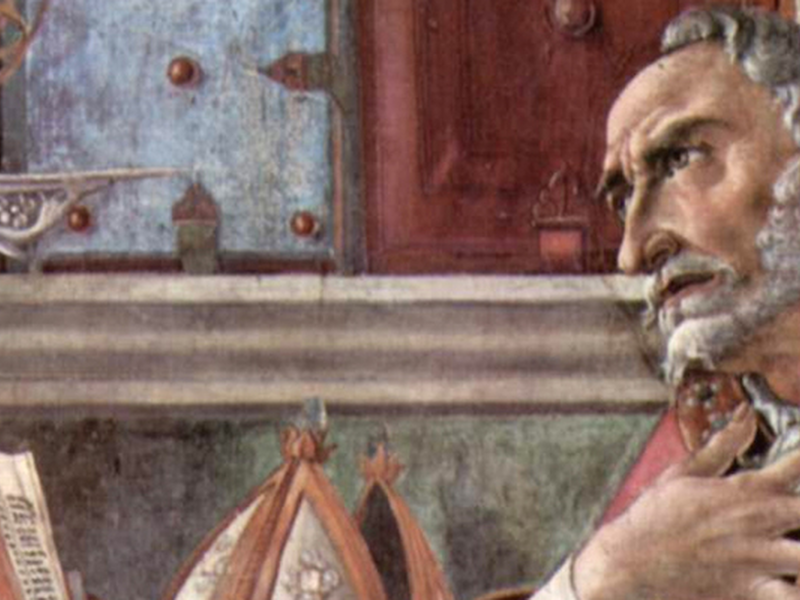
Augustine on Pagan Virtue

My children attend a classical Christian school, situated in the independent “free church” evangelical tradition. Over the past few years they have been growing in their acquaintance with the world of Homer, Plato, Virgil, and Livy. They enjoy it, and I envy it. The school is a great school. My…

by Gerald HiestandJanuary 27, 2015
prodigal-son
Atonement

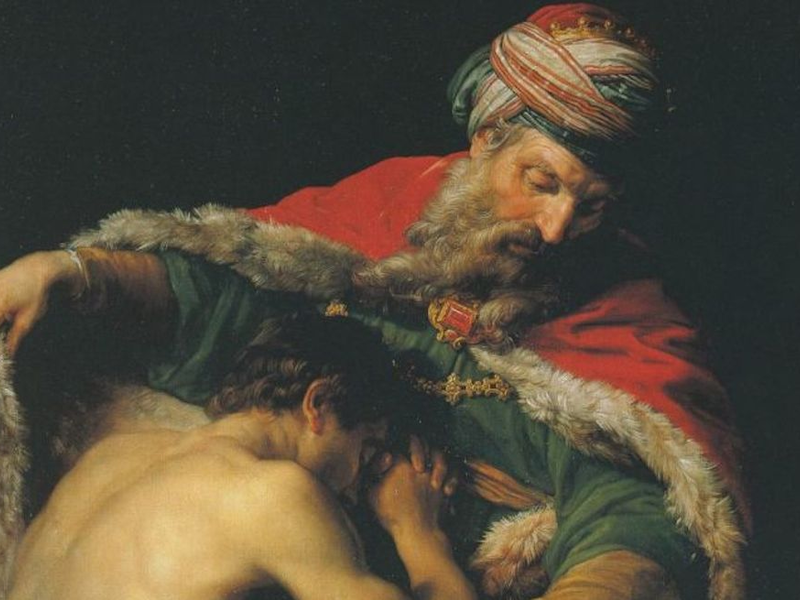
The Prodigal and the Cross

The Prodigal Son parable (Luke 15) has been a favorite of liberal theologians for a couple of centuries. It seems to be a parable designed for liberal sensibilities: An indulgent, accepting Father; forgiveness extended without a cross; a surly older brother who might represent the "conservative" face of religion who…

by Peter LeithartJanuary 22, 2015
sky-from-bridge
Ascension

Underground Man, Ascended Man

“I want now to tell you, gentlemen, whether you care to hear it or not, why I could not even become an insect. I tell you solemnly, that I have many times tried to become an insect. But I was not equal even to that. I swear, gentlemen, that to…

by Richard BledsoeJanuary 20, 2015

Showing page 161 of 309

See all

Showing page 24 of 43

See all

Class consciousness

Lawrence Stone records the following in his classic Crisis of the Aristocracy : “So deep [was] feeling of a fundamental distinction of ranks that gentlemen did not hesitate to behave in ways which would today be considered base and even cowardly. When Lord Herbert of Cherbury was shipwrecked at Dover…

August 9, 2006

Death of the author

A hypothesis to explore: What is the connection between the postmodern “death of the author” and higher critical methods of biblical interpretation? Did the dissolution of the text in biblical studies contribute to a dissolution of the author in texts generally? To what extent is Wellhausen responsible for Barthes and…

August 9, 2006

Type and Antitype

At times, I’ve felt that my polemics against semi-marcionitism in sacramental theology and hermeneutics finds no actual targets. And then I read something like this. In his book on hermeneutics, Louis Berkhof characterizes the difference between type and antitype: “The one represents truth on a lower, the other, the same…

August 9, 2006
History

Left to Right

Butler cleverly suggests that postmodernism’s leftism ends up underwriting rightist politics: “a left-inspired distrust of authority . . . makes recognition of difference possible, and yet those who are perhaps most in favor of leaving differently defined groups in isolation, to compete and fight it out, are those on the…

August 9, 2006
History

Liberal to postmodern

Poor Christopher Butler: He really doesn’t like postmodernism, but he keeps saying that postmodernism at its most sane is just repeating what liberals have always believed and doing what liberals have always done. Postmodernists challenge “the boundaries of our social roles,” and liberals join in; in fact, “the postmodernist deconstructive…

August 9, 2006
Politics

Discourses of power

Postmodernists claim that discourses are inevitably exercises of power. To theorize is to classify, and classification, well, puts things in classes, asserts authority over them. Butler offers this example: “You believe what the young surgeon tells you, and so you give him permission to anaesthetize you, cut you up, and…

August 9, 2006

Showing page 1815 of 2212

Browse by Category

In Medias Res

Your weekly digest for all things Theopolis.

Donate

Theopolis is nearly 100% donor-supported. Consider joining us on our mission.