Theopolis Logo

Writing

Explore our collection of theological essays, biblical studies, and reflections on faith and culture.

See all
baptism
Baptism

And He Gave Some To Be Parents

Standing in the narthex at the font, parents joyfully approach with their newborn child. The pastor asks the parents a series of questions that may include their renunciation of the devil and all his works, their faith in God the Father, Son, and Spirit as explained in the Apostles’ Creed,…

by Bill SmithFebruary 17, 2015
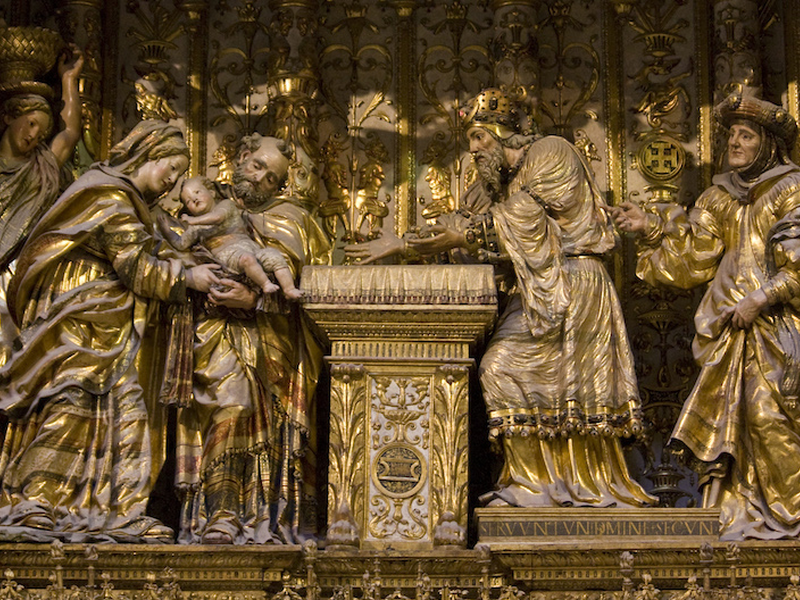
christ-presentation-in-temple
Luke

Anna of Asher

And there was a prophetess, Anna, the daughter of Phanuel, of the tribe of Asher. She was advanced in years, having lived with her husband seven years from when she was a virgin, and then as a widow until she was eighty-four. She did not depart from the temple, with…

by Dave ShawFebruary 12, 2015
emmanuel-phaeton-1bwmfmvybi8-unsplash
Psalms

Psalm 30

Get the Psalm 30 Translation here Psalm 30 is a song for the dedication of "the house." Since it is by David, the house would seem to be his palace in Jerusalem. The psalm has an ABA structure, with the B structure being an exhortation to the saints, and the…

by James B. JordanFebruary 11, 2015
boat-rough-water
Same-Sex Marriage

Love Makes the World Go Round

I once asked a ferryboat captain if steering a ferry was any different than driving, say, a big semi truck. He looked at me like I had just asked whether a bowling ball fell when you dropped it. “It’s completely different,” he said. “On the river, you never stay pointing…

by Christian LeithartFebruary 10, 2015
romeo-juliet
Literature

Where A Man Belongs: Courtship Advice from Shakespeare

The key scene in Shakespeare's Much Ado About Nothing comes just after the first wedding scene when Claudio tosses Hero aside as a "rotten orange." He has been tricked into thinking that Hero is unfaithful, and that is an affront to his honor. He won't put her away quietly. He…

by Peter LeithartFebruary 7, 2015
cloister
History

What You Learned About the Middle Ages Was Wrong

Medieval Christianity is in the news. That’s exciting for me as I have a PhD in medieval theology and I teach Ancient and Medieval Church History at Covenant Seminary. Thus I have a little “skin in the game,” as the saying goes. Earlier this week our President made some comments…

by Timothy LeCroyFebruary 6, 2015

Showing page 160 of 309

See all

Showing page 24 of 43

See all

Preflood Generation (Luke 17:27)

Jesus describes the activities of the unsuspecting preflood generation by listing four activities (Lk 17:27): eating and drinking marrying and giving in marriage. He then describes the activities of the unsuspecting residents of Sodom by listing six activities (Lk 17:28): eating and drinking buying and selling planting and building. Several…

January 26, 2004
Media

James Welch

There’s an intriguing review of the work of James Welch in the January 26 Weekly Standard . Welch, who died last year, was a Montana-based poet and novelist, known as an “Indian poet” and “Indian novelist” for his focus on the lives and history of American Indians. The interest of…

January 26, 2004

Exhortation, January 25

Exhortation for January 25: Jesus concluded the parable of the “unjust steward” by saying, “He who is faithful in a very little thing is faithful also in much; and he who is unrighteous in a very little thing is unrighteous also in much.” Though Jesus’ words have a particular application…

January 25, 2004

Eucharistic Meditation, January 25

Eucharistic meditation for January 25: Acts 2:41-47 In the book of Acts, we see the early church carrying out Jesus’ instructions regarding the proper use of wealth. After the Spirit was poured out on Pentecost, and 3000 were saved, the disciples begin to sell their possessions in order to share…

January 25, 2004

Baptismal Meditation, January 25

Baptismal meditation for January 25: Matthew 18:1-6 This passage in Matthew is parallel to the first part of Matthew 17 in our sermon text. As I mentioned in the sermon, Jesus’ reference to “little ones” in Luke 17 is not referring to little children, but to lowly people like Lazarus.…

January 25, 2004

Civilization and Orifices

Becoming civilized is a matter of gaining control over the body, and this bodily control is largely centered, as Mary Douglas recognized, on orifices. Infants have no control over their sphincters: They can’t hold urine or faeces, they fart and burp at inappropriate moments, they regurgitate milk and don’t care…

January 25, 2004

Showing page 2132 of 2212

Browse by Category

In Medias Res

Your weekly digest for all things Theopolis.

Donate

Theopolis is nearly 100% donor-supported. Consider joining us on our mission.