Theopolis Logo

Writing

Explore our collection of theological essays, biblical studies, and reflections on faith and culture.

See all
trnava-university-beeyeib-am8-unsplash
Biblical Chronology

Meredith G. Kline Strikes Back, Part 2

In our first essay we looked at Kline’s flawed exegesis of Genesis 2:5 as it relates to Day 3 of creation. Now we turn to Kline’s new argument against a chronological reading of Genesis 1, as found, again, in "Space and Time in the Genesis Cosmogony," Perspectives on Science and…

by James B. JordanMarch 29, 1997
30211-bathsheba-800w-tn
Hermeneutics

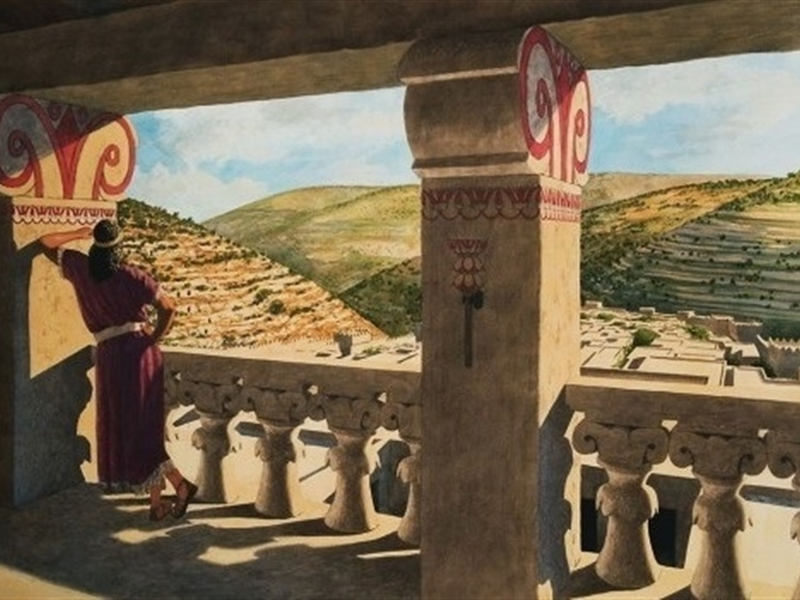
Bathsheba: The Real Story

One of the advantages of paying very close attention to the details in the Bible, especially chronological and genealogical details, is that they can shed light on situations that don’t seem to make much sense apart from them. One such situation is that of Bathsheba. It appears that Bathsheba willingly…

by James B. JordanMarch 28, 1997
jonathan-cooper-ygxq7hfdjzq-unsplash
Church Calendar

Is the Church Year Biblical? | A Parking Lot Parable

Once upon a time, Jeff Meyers and Tony Rollins–old friends who had not seen each other for a few years–met in the parking lot of a neighborhood church. They were dropping off their pre-school children at the church for Mother’s Day Out. They were such conscientious and helpful fathers. As…

by Jeff MeyersMarch 20, 1997
annie-spratt-upxf6to3fea-unsplash
Daniel

The Allegory of Susanna

Years ago, when I was at the briefly-existing Geneva Divinity School, I taught a course in the Apocrypha. One thing that struck me at that time is that two of the stories are almost certainly religious allegories (as well as moral tales): Judith and Susanna. Since "Susanna" means "Lily," this…

by James B. JordanFebruary 28, 1997
serafima-lazarenko-_ivuwprfczi-unsplash
Biblical Horizons

A Blossom of Yahweh’s Field

Peter’s essay inspires me to write up some similar thoughts about the flower of the field. Rightly does Peter associate the almond with Yahweh’s garden, because the Garden of Eden is symbolically positioned as parallel to the Holy Place of the Tabernacle and Temple. To wit: Since Aaron’s rod blossomed…

by James B. JordanFebruary 28, 1997
trnava-university-beeyeib-am8-unsplash
Biblical Chronology

Meredith G. Kline Strikes Back, Part 1

We have had occasion to discuss the views of Meredith G. Kline previously in these newsletters, and now it is time to do so again. Kline teaches at Gordon-Conwell Theological Seminary and also at the Westminster Theological Seminaries (Philadelphia and San Diego). He is the author of some interesting insights…

by James B. JordanFebruary 28, 1997

Showing page 259 of 309

See all

Showing page 24 of 43

See all

Putting the oikos into Oikonomy

Psalm 128 promises a fruitful home to the man who fears Yahweh. He will prosper from the labor of his hands, with no one plundering or taxing away his goods. The assumption is that productive work is part of family life. The family is an economic unit, among other things,…

February 11, 2016

Glory of Kings

God gave us the book of Proverbs to teach us wisdom. Partly, He does that by teaching us the content of Proverbs. But he is also teaching us wisdom by the way He communicates wisdom. Proverbs 25:2 says, “It is the glory of kings to conceal a matter, but the…

February 11, 2016

Grace, Judgment, Gospel

Atonement theories can be seen as efforts to synthesize the grace and judgment of God: How does He show grace to a race that deserves condemnation. Solutions are often sought systematic syntheses, and there is something to that: The cross proves God to be just and the justifier of those…

February 11, 2016

Finding Fixed Points in Revelation

Revelation is a confusing book for many readers, apparently endlessly, perhaps even drearily repetitive. The pyrotechnics and special effects might fascinate for a bit, but after a while it all blurs and blends and leaves us wandering in the bewilderness (David Sterritt's wonderful term). Can we find fixed points, coordinates…

February 10, 2016

Hope of the Hopeless

We do what we do because we hope to accomplish something by our actions. All our actions are directed at the future. We want things to be different than they are now, and we plan and act in hope that we can make things come out differently than they otherwise…

February 10, 2016
Political Theology

Theology, Civic or Natural

Modern theology has often been obsessively concerned to justify itself to cultured despisers, and this self-justification has often taken the form of “prolegomenon,” the technical name for an introduction to a theological treatise. To the extent that prolegomena represent efforts to describe the work of theology and its place in…

February 10, 2016

Showing page 322 of 2212

Browse by Category

In Medias Res

Your weekly digest for all things Theopolis.

Donate

Theopolis is nearly 100% donor-supported. Consider joining us on our mission.