Theopolis Logo

Writing

Explore our collection of theological essays, biblical studies, and reflections on faith and culture.

See all
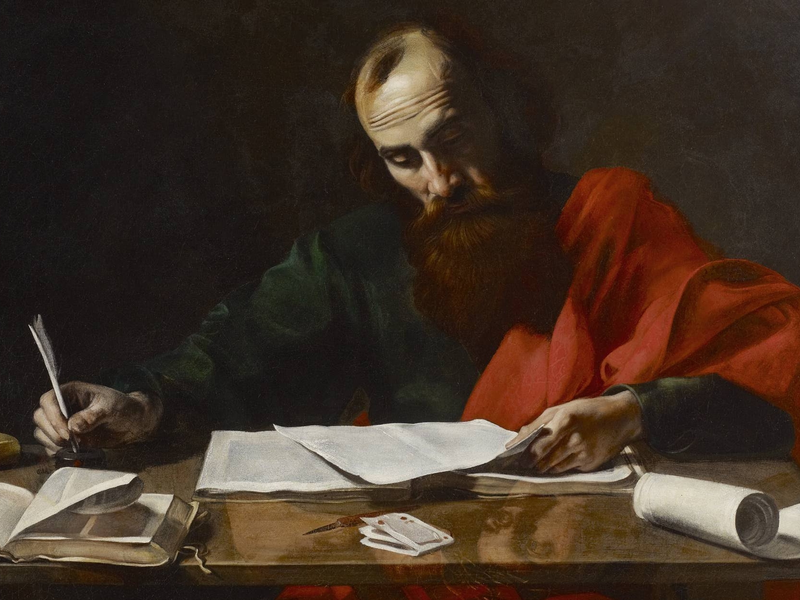
13071-probablyvalentindeboulogne-saintpaulwritinghi-1
1 Corinthians

The Great Exchange: Understanding Second Corinthians 5.21

He made Him who knew no sin to be sin on our behalf, that we might become the righteousness of God in Him. My argument is simple: What Paul means in writing the quotation above in context is the same as what he was telling the Ephesians when he wrote,…

by Mark HorneJune 7, 2004

ben-white-w8qqn1pmqh0-unsplash
Biblical Theology

What is Biblical Theology (Part 3) : The Art of Biblical Theology

THE ART OF BIBLICAL THEOLOGY IN PRACTICE: INTERTEXTUALITY AND TWO PAULINE CASE STUDIES The Art of Biblical Theology: Intertextuality Biblical Theology is really an art. Like other skills of this sort, it is not a matter of following rules (though there are certainly guidelines and techniques). Rather, it’s matter of…

by Rich LuskJune 6, 2004
malcolm-lightbody-tc2f02iq8le-unsplash
Biblical Theology

What is Biblical Theology: (Part 2) The Christotelic Spiral

Click HERE for Part 1 Reading Christotelically Jesus Christ is the heart of God’s plan for creation and history. There is no “hidden plan” or “hidden God” lurking behind Christ; rather, in and through Christ God has revealed himself and his intentions towards the world. In Christ, the Father has…

by Rich LuskJune 6, 2004
aaron-burden-qjdzyt_k8xg-unsplash
Biblical Studies

What is Biblical Theology? (Part 1)

STORY THEOLOGY AND A THEOLOGY OF STORY Defining Biblical Theology What is Biblical Theology? How does it compare to other ways of doing theology, such as Systematic Theology? Geerhardus Vos suggested that whereas Biblical Theology draws a line, Systematic Theology draws a circle. That is to say, Biblical Theology is…

by Rich LuskJune 6, 2004
screenshot-2023-09-21-at-3-59-23-pm
Hebrews

Living by His Faith: Some Rough Thoughts on the Faithfulness of Christ

The gospels strongly imply Jesus lived by faith in the promise of his heavenly Father. How else can his prayer life understood? How else could he have wrestled through the Gethsemane experience? How else could he have committed himself into his Father’s care at death? How could Jesus have presented…

by Rich LuskJune 6, 2004
sixteen-miles-out-al48tflf4e8-unsplash
John

John 3:16

John 3:16 is probably best-known, or at least, best-liked Bible passage in North America: “For God so loved the world, that he gave his only Son, that whoever believes in him should not perish but have eternal life.” This declaration of God’s love of the whole world is greatly comforting…

by Mark HorneJune 6, 2004

Showing page 223 of 309

See all

Showing page 24 of 43

See all
Eucharist

Apotheosis of Consumerism

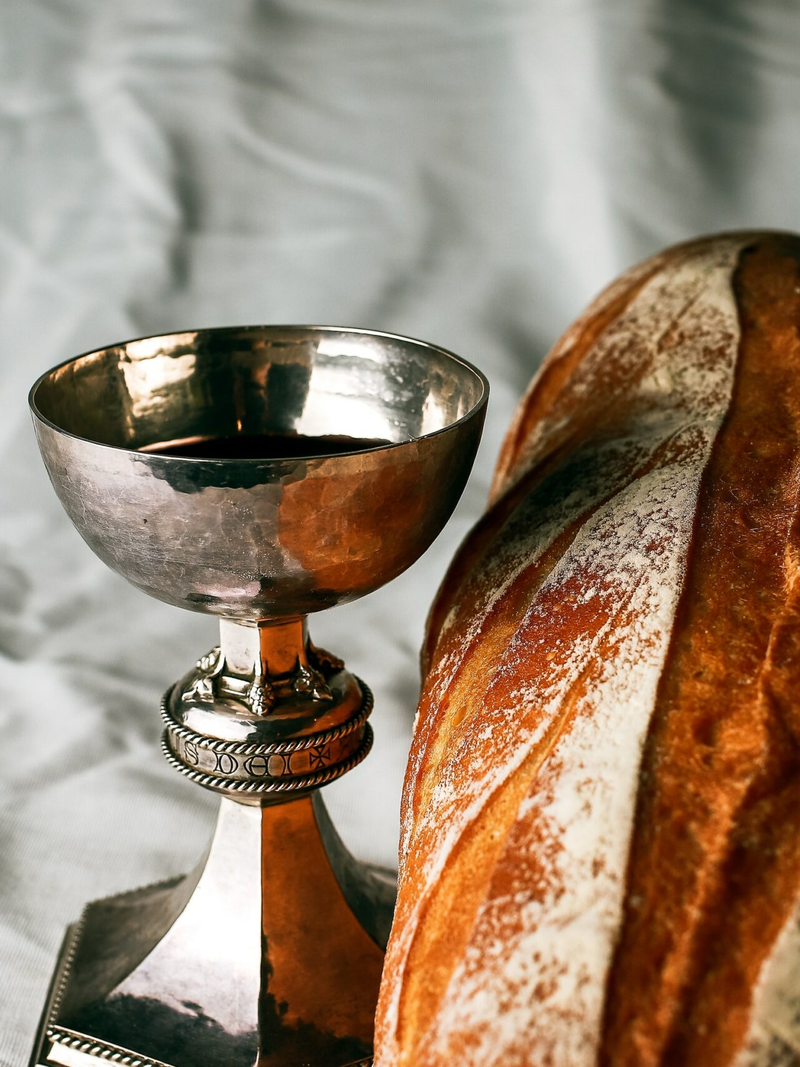
Though the presence of Christ has been central to Eucharistic theology, Thomas O'Loughlin ( The Eucharist ) argues that in Tridentine Catholicism”the dominant thinking about the event of physical engagement with the Eucharist was imagined in terms of a sacred commodity. The priest ‘confected' the Eucharist, it was reserved for…

May 6, 2015

Victorian Forgiveness

Early in his Forgiveness in Victorian Literature , Richard Gibson quotes Sarah Beckwith's observation that “promising and forgiving [are] acts of making community” (27). Gibson draws on Hannah Arendt's analysis to fill out the picture. Promises reduce the unpredictability of the future, while “forgiveness confronts the crisis of the past.…

May 6, 2015
Jane Austen

Jane Austen's Names

Margaret Doody's Jane Austen's Names is a treasure chest. On the assumption that “an artist cannot do anything slovenly,” Doody explores the historical significance of the real place names that appear in Austen's novels, teases out the puns in the characters' names, suggests that Austen was sensitive to the ethnic…

May 6, 2015

Evangelizing Metaphysics

Key terms of ancient philosophy are rare or entirely absent in the New Testament. Aristotle considered the study of causes ( aitia ) and principles ( archai ) to be the subject matter of first philosophy ( Metaphysics A.1,981b28), and he defines metaphysics as the study “of the things which…

May 6, 2015

Nature and Equality

Norberto Bobbio ( Left and Right ) claims that left and right are different because of their different evaluations of equality. He starts from the uncontroversial fact that people are equal in certain respects, unequal in others, and claims that “We can then correctly define as egalitarians those who ,…

May 5, 2015

Difference Principle

John Rawls's notion of “difference principle” is an alternative to a meritocratic regime, but it is also different from equality of result. As Michael Sandell explains in Liberalism and the Limits of Justice , Rawls denies that the difference principle eliminates distinctions between persons. The difference principle aims at the…

May 5, 2015

Showing page 430 of 2212

Browse by Category

In Medias Res

Your weekly digest for all things Theopolis.

Donate

Theopolis is nearly 100% donor-supported. Consider joining us on our mission.