Theopolis Logo

Writing

Explore our collection of theological essays, biblical studies, and reflections on faith and culture.

See all
screen-shot-2018-11-15-at-10-04-44-am
Sex

Sex

Christians get sex wrong when we start from the wrong end. We start from human desires, passions, biological drives and “needs.” These are treated as givens, as the base-line natural reality of human sexuality. Then we come to the Bible and find, to our surprise, that God places all kinds…

by Peter LeithartNovember 15, 2018

img_4660-2
Proverbs

Wisdom, Gender, and Strength in Proverbs

Why isn't Proverbs better known as the Bible's book on "manliness"? I use quotation marks because the term almost seems archaic in our present culture, along with "manhood." Perhaps the Church is too embarrassed to admit the Bible addresses that much attention to the topic. But another reason can be…

by Mark HorneNovember 13, 2018
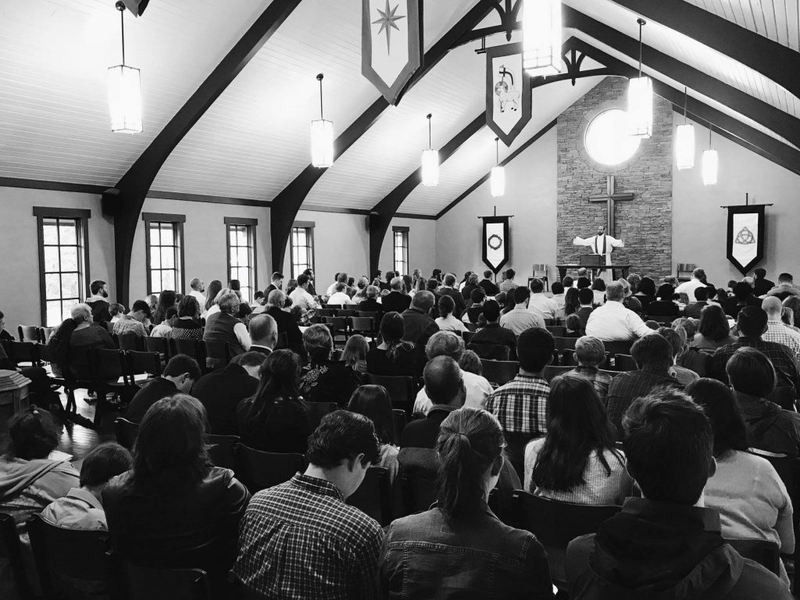
tpc-worship
Gnosticism

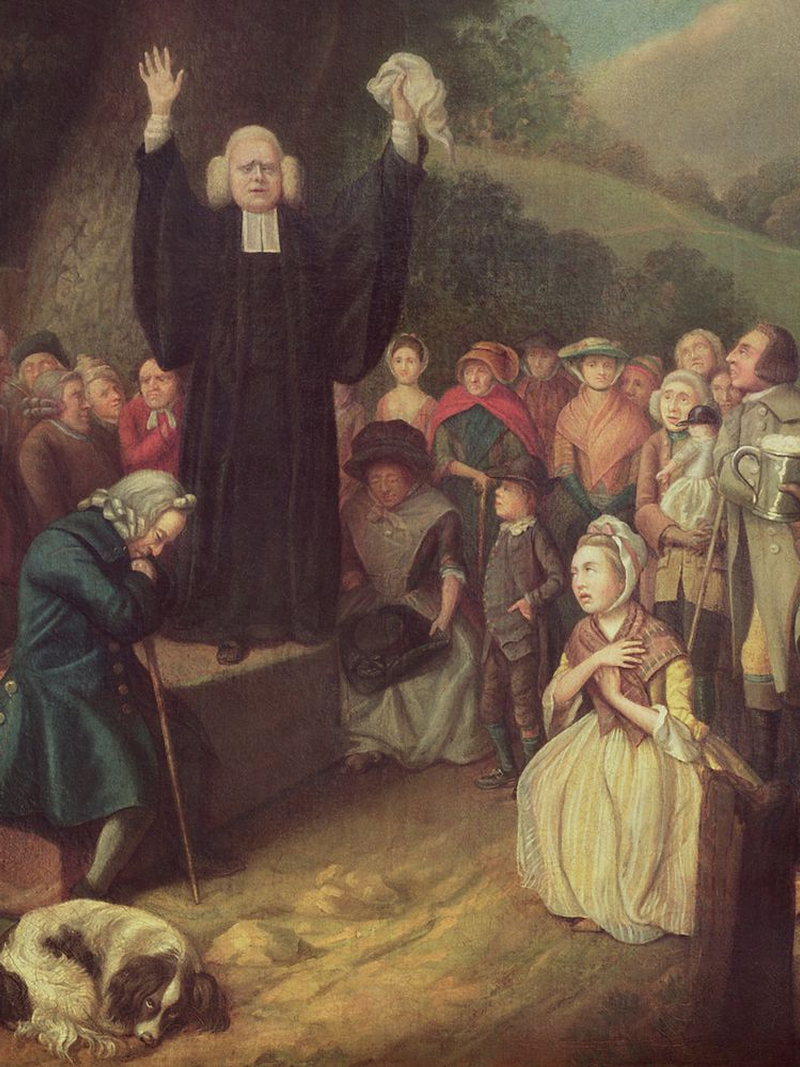
The Sacrament of Preaching

In certain evangelical Christian churches it is the tradition to exalt preaching above the sacraments of Baptism and the Lord’s Supper. Ever since the rise of Revivalist preachers pushing for conversions, the practice has cast doubt upon the possibility of Baptism or the Lord’s Supper being a “means of grace”…

by Mani MarprelateNovember 8, 2018
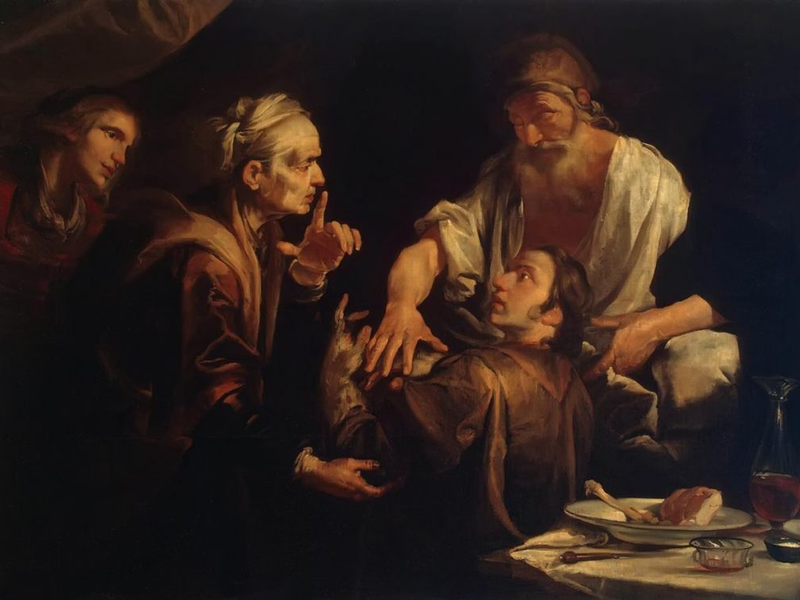
isaac-blessing-jacobgioachino-assereto-1640
Book Review

Yoram Hazony and the Deception of Isaac

Perhaps one of the most stimulating sections of Yoram Hazony’s The Philosophy of Hebrew Scripture addresses the question of how we are to discern the meaning of biblical narratives, especially how biblical narratives might present arguments of a more general nature. Hazony quotes John Barton’s remarks about the difficulty of…

by Alastair RobertsNovember 6, 2018
prayer-3
Book Review

Enduring Divine Absence: The Challenge of Modern Atheism – A Review

In this slender volume, Joseph Minich (Ph.D. student at the University of Dallas) attempts to answer some of the deepest questions of human existence. With his honesty, his probing questioning, his wide reading, and his ability to plunge beneath superficial answers, he provides a helpful source of reflection for fellow…

by Gregory SoderbergNovember 1, 2018
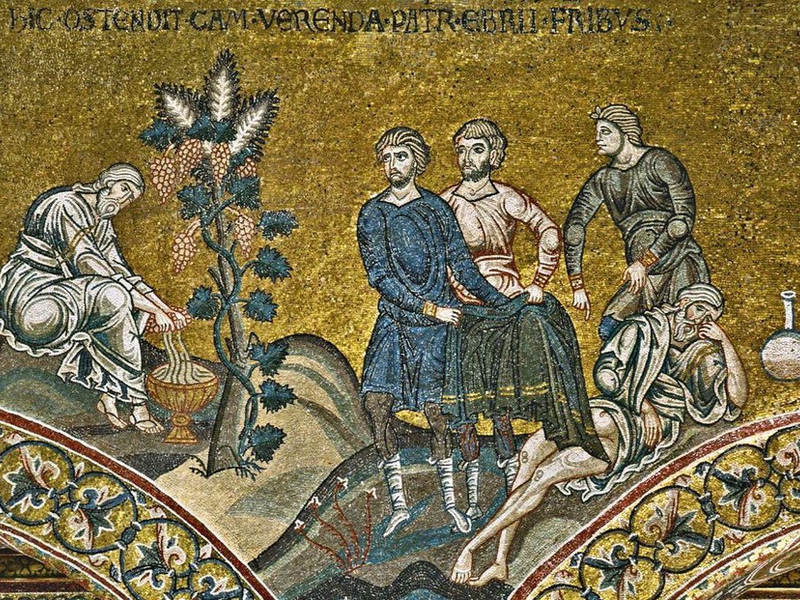
1_ejh7oql1sntvw3iw_avfma
Biblical Theology

Drunk, Naked, and Accomplishing God’s Will

A Closer Look at Noah’s Post-Flood Humiliation In Genesis 9:20-27 My wife is currently leading a Bible study through Genesis for a group of insatiable Bible students. Because she is a deep thinker and has a high view of inspiration, there is no passage she is unwilling to face head…

by Eric RobinsonOctober 30, 2018

Showing page 85 of 309

See all

Showing page 24 of 43

See all

Why Now?

Jesus prayed that the church's unity would reflect the unity of the Father and Son. Paul urged the Ephesians to cultivate the virtues of peace that would express the sevenfold unity of the church (Ephesians 4). That demand is a perennial one. But we've been divided for a long time.…

March 12, 2015

Fragile Fruitfulness

Israel is a vine, transplanted from Egypt (Psalm 80; Isaiah 5). She exists to produce wine that gladdens the hearts of men. Israel is the Dionysian people. Ezekiel brings out another dimension of the vine image: “Son of man, how is the wood of the vine better than any wood…

March 12, 2015

Judgment to the Corners

The oracle of judgment in Ezekiel 14:12-23 is structured as a fourfold judgment: sword, famine, beasts, plague (v. 21). The descriptions of judgment are laid out in four paragraphs that use repetitive, stereotyped language. Throughout, Yahweh says that even the intercession of Noah, Daniel, and Job could not rescue Judah…

March 12, 2015
Fairy Tales

The Political Economy of Fairy Tales

In a TLS review of several recent books on fairy tales, Fracesca Wade points to the political context and economic setting of early folk and fairy tale collections. Inspired by Herder, the Grimms, she observes, intended to recover Germanitas by study of natural German poetry: “Although the brothers drew widely…

March 12, 2015

Remembering the Present

In his Deja Vu and the End of History , Italian philosopher Paolo Virno explores the phenomenology of memory, especially in its relation to philosophies of history. The deja vu of the title isn't a metaphor; following Henri Bergson, Virno argues that it represents “the untrammelled extension of memory's jurisdiction,…

March 11, 2015

Potential, Act, and Violence

Paolo Virno ( Deja Vu and the End of History ) observes that potential and act occur simultaneously. Take language: “The language faculty irrupts into becoming in concomitance with the phrase that I am speaking. It appears precisely now, as I speak, neither before nor afterwards: but, note, right now…

March 11, 2015

Showing page 453 of 2212

Browse by Category

In Medias Res

Your weekly digest for all things Theopolis.

Donate

Theopolis is nearly 100% donor-supported. Consider joining us on our mission.