Theopolis Logo

Writing

Explore our collection of theological essays, biblical studies, and reflections on faith and culture.

See all
kelly-sikkema-gpoh17dxqdm-unsplash
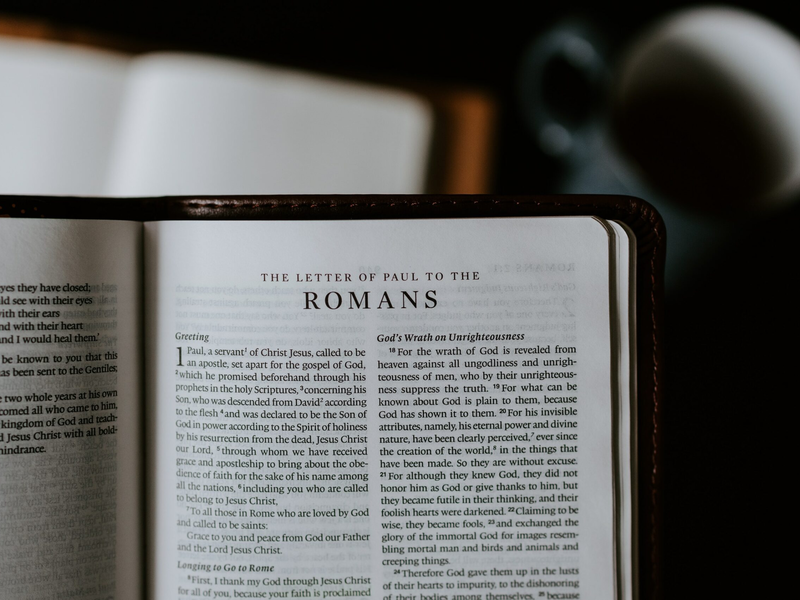
Romans

Paul’s Gospel & the Theme of Romans

Paul, a bond-servant of Christ Jesus, called as an apostle, set apart for the gospel of God, which He promised beforehand through His prophets in the holy Scriptures, concerning His Son, who was born of a descendant of David according to the flesh, who was declared the Son of God…

by Mark HorneJune 6, 2003

screenshot-2023-07-27-at-10-25-35-am
History

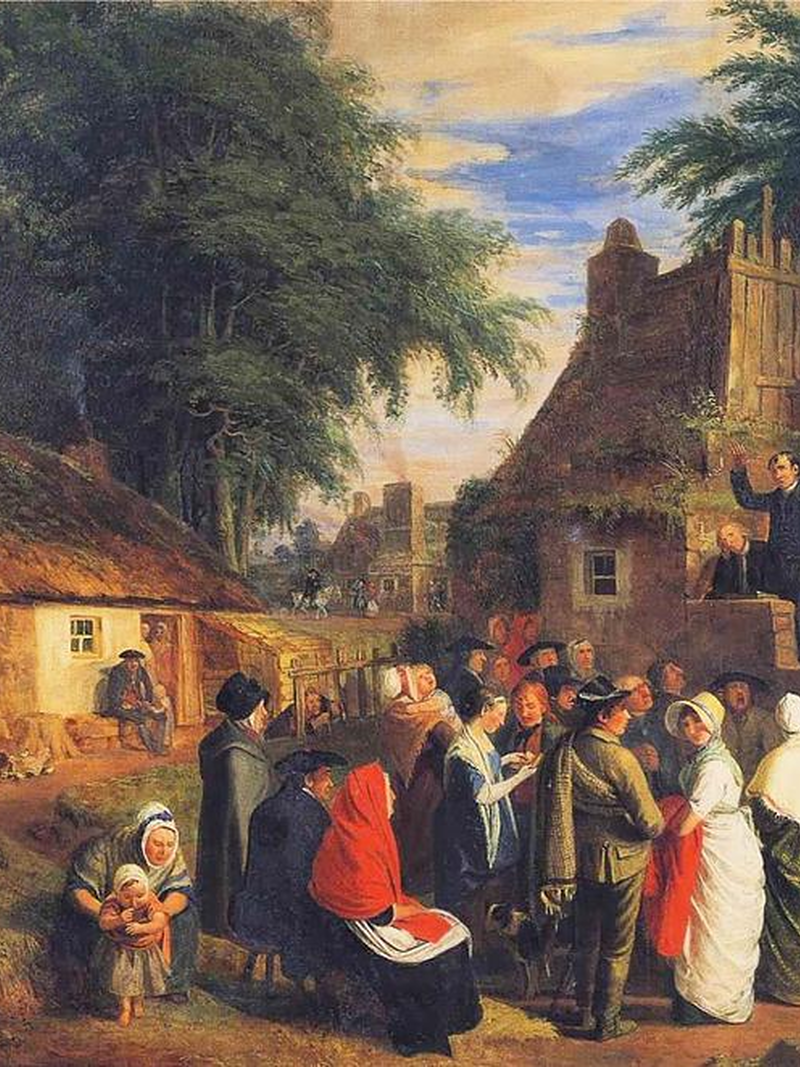
The Nelda Boswell Scroll: The Apostle Paul’s Town Hall Meeting in Iconium

With the surprising discovery of the Nelda Boswell scroll historians have deciphered its contents and concluded that the apostle Paul returned to the region of Galatia shortly after he wrote the letter that we call Galatians. The evidence suggests that a number of local pastors, elders, and deacons, along with…

by Jeff MeyersJune 6, 2003
aaron-burden-qjdzyt_k8xg-unsplash
Jonah

Jonah, the Judaizers, and the Gospel

Second Temple Judaism was a form of covenantal nomism, according to E. P. Sanders’ terminology. This means that Torah-observance was a way of expressing loyalty to the Lord of the covenant who had graciously elected Israel. I think Sanders’ view (taken up in bits and pieces and with some modifications…

by Rich LuskJune 6, 2003
Theologia

Gratitude or Faith?

We often hear that the key to Christian obedience is thankfulness for what God has done. But the Bible stresses faith and hope much more than gratitude. The Baptist pastor and author John Piper has written, “Nowhere in the Bible is gratitude connected explicitly with obedience as a motivation. We…

by Mark HorneJune 6, 2003
aaron-burden-qjdzyt_k8xg-unsplash
Federal Vision

God’s Righteousness & Our Justification

One of the questions that is commonly asked about Tom Wright regards his teaching about how Paul uses the term “the righteousness of God.” Since Wright’s interpretation of the term in Paul’s epistles is commonly mentioned in passing but rarely analyzed, it seems like a good idea to explicitly spell…

by Mark HorneJune 6, 2003
jordan-wozniak-xp_agmeea6s-unsplash
Genesis

Forever Means Forever: God’s Promises to the Jews

If God promised a certain land to the seed of Abraham, saying that it would be theirs “forever” (Gen. 13:15), why do Reformed churches teach that the Jews permanently lost their right to the land? What about all these Old Testament “forever” promises and prophesies made to the Jews? How…

by Jeff MeyersJune 6, 2003

Showing page 230 of 309

See all

Showing page 24 of 43

See all

Structure in Spenser

The macro-structures of The Fairie Queene become clear if we look at a single book in detail. Book 1 is a good place to start. It is the story of Holiness, focused on the Redcrosse Knight and Una. Redcrosse is called upon to rescue the parents of a damsal in…

March 3, 2015
Literature

50 Shades of Pamela

John Podhoretz ( Weekly Standard , March 2) admits that he giggled his way through Fifty Shades of Grey . The movie. He doesn't seem in a giggly mood about the novels, which he describes as “the worst books I have every read all the way through.” But Podhoretz spots…

March 3, 2015
Ritual

Rituals of Power?

Theodore Vial's Liturgy Wars is a rich and detailed account of the struggle over the change in the baptismal rite in 19th-century Zurich. He picks the knot of this culture war, unraveling the political, theological, and ritual dimensions of the the battle between liberalizing and conserving forces. Vial's aims go…

March 3, 2015

Society v. Culture

Chris Jenks argues in Subculture that “postmodernism’s critical imperative recommending the end of grand narratives is an invitation to dispense with the power/knowledge, truth and authority on which society, and, in many senses, the social bond, of yesterday were established” (3). One of the key theoretical tools has been an…

March 3, 2015

Accommodation

Brian Howell's In the Eyes of God is a substantial contribution to the discussion of theological language and to our understanding of the workings of biblical anthropomorphism. His approach rests on the “three legs” of “the biblical depiction of the divine-human relationship, divine Speech Acts, and context-sensitive metaphorical interpretation” (57).…

March 2, 2015

I Am Welsh

David Hawkes's TLS review of Marisa Cull's Shakespeare's Princes of Wales sums up the influence of Wales on Elizabethan England, and on England's Bard in particular: “The Bard (the very term has a specifically Welsh provenance) had a Welsh grandmother, Alys Griffin. The man who taught him his ‘small Latin,'…

March 2, 2015

Showing page 457 of 2212

Browse by Category

In Medias Res

Your weekly digest for all things Theopolis.

Donate

Theopolis is nearly 100% donor-supported. Consider joining us on our mission.