Theopolis Logo

Writing

Explore our collection of theological essays, biblical studies, and reflections on faith and culture.

See all
trnava-university-beeyeib-am8-unsplash
Biblical Chronology

Meredith G. Kline Strikes Back, Part 2

In our first essay we looked at Kline’s flawed exegesis of Genesis 2:5 as it relates to Day 3 of creation. Now we turn to Kline’s new argument against a chronological reading of Genesis 1, as found, again, in "Space and Time in the Genesis Cosmogony," Perspectives on Science and…

by James B. JordanMarch 29, 1997
30211-bathsheba-800w-tn
Hermeneutics

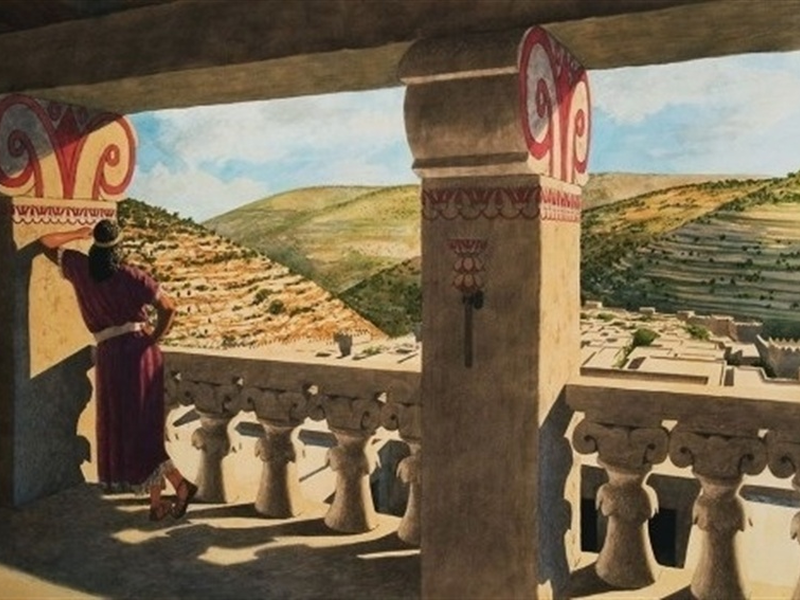
Bathsheba: The Real Story

One of the advantages of paying very close attention to the details in the Bible, especially chronological and genealogical details, is that they can shed light on situations that don’t seem to make much sense apart from them. One such situation is that of Bathsheba. It appears that Bathsheba willingly…

by James B. JordanMarch 28, 1997
jonathan-cooper-ygxq7hfdjzq-unsplash
Church Calendar

Is the Church Year Biblical? | A Parking Lot Parable

Once upon a time, Jeff Meyers and Tony Rollins–old friends who had not seen each other for a few years–met in the parking lot of a neighborhood church. They were dropping off their pre-school children at the church for Mother’s Day Out. They were such conscientious and helpful fathers. As…

by Jeff MeyersMarch 20, 1997
annie-spratt-upxf6to3fea-unsplash
Daniel

The Allegory of Susanna

Years ago, when I was at the briefly-existing Geneva Divinity School, I taught a course in the Apocrypha. One thing that struck me at that time is that two of the stories are almost certainly religious allegories (as well as moral tales): Judith and Susanna. Since "Susanna" means "Lily," this…

by James B. JordanFebruary 28, 1997
serafima-lazarenko-_ivuwprfczi-unsplash
Biblical Horizons

A Blossom of Yahweh’s Field

Peter’s essay inspires me to write up some similar thoughts about the flower of the field. Rightly does Peter associate the almond with Yahweh’s garden, because the Garden of Eden is symbolically positioned as parallel to the Holy Place of the Tabernacle and Temple. To wit: Since Aaron’s rod blossomed…

by James B. JordanFebruary 28, 1997
trnava-university-beeyeib-am8-unsplash
Biblical Chronology

Meredith G. Kline Strikes Back, Part 1

We have had occasion to discuss the views of Meredith G. Kline previously in these newsletters, and now it is time to do so again. Kline teaches at Gordon-Conwell Theological Seminary and also at the Westminster Theological Seminaries (Philadelphia and San Diego). He is the author of some interesting insights…

by James B. JordanFebruary 28, 1997

Showing page 259 of 309

See all

Showing page 24 of 43

See all

The Body Assumed

The Servant comes, and the arm of the Lord is revealed (Isaiah 53:1). The Servant’s face and form are marred, stricken, pierced, crushed, chastened, scourged. It looks like the body that’s already there, the body of Israel: “Where will you be stricken again, as you continue in rebellion? The whole…

March 21, 2013

No form, no face

According to the NASB, Isaiah 53 says that the Servant has “no stately form ( to’ad ) or majesty ( hadar ) that we should look upon Him, nor appearance ( mar’eh ) that we should desire ( chamad ) Him” (v. 2). Two of those three terms appeared at…

March 21, 2013

Desolated

Yahweh’s Servant prospers (or “deals prudently”), and so is raised, lifted, exalted greatly (Isaiah 52:13). But that exaltation is paradoxical, surprising, since the Servant that is lifted up is mangled and marred more than any of the sons of Adam (v. 14). The word translated as “astonished” ( shamem )…

March 21, 2013
Biblical Studies

Judgment according to works

The New Testament says several times that there is a day of accounting coming when all will be judged according to their deeds (Matthew 16:27; Romans 2:6; 2 Corinthians 5:10). In Romans 2 especially, this is an individual accounting: God “will render to every man according to his deeds” (Paul…

March 21, 2013

Egoism and evil

Self-obsessed egoism is not, Zizek argues ( Violence: Six Sideways Reflections ), the essence of evil, and the “true opposite of egotist self-love is not altruism, a concern for the common good, but envy, ressentiment , which makes me act against my own interest.” The true evil is (citing Freud)…

March 20, 2013
Politics

No Higher Cause

We are often told that we live in a “post-political” era or an era of “bio-politics.” Slavoj Zizek ( Violence: Six Sideways Reflections , 40-2) defines the post-political as “a politics which claims to leave behind old ideological struggles and instead focus on expert management and administration” and “bio-politics” as…

March 20, 2013

Showing page 770 of 2212

Browse by Category

In Medias Res

Your weekly digest for all things Theopolis.

Donate

Theopolis is nearly 100% donor-supported. Consider joining us on our mission.