Theopolis Logo

Writing

Explore our collection of theological essays, biblical studies, and reflections on faith and culture.

See all
trnava-university-beeyeib-am8-unsplash
Biblical Chronology

Meredith G. Kline Strikes Back, Part 2

In our first essay we looked at Kline’s flawed exegesis of Genesis 2:5 as it relates to Day 3 of creation. Now we turn to Kline’s new argument against a chronological reading of Genesis 1, as found, again, in "Space and Time in the Genesis Cosmogony," Perspectives on Science and…

by James B. JordanMarch 29, 1997
30211-bathsheba-800w-tn
Hermeneutics

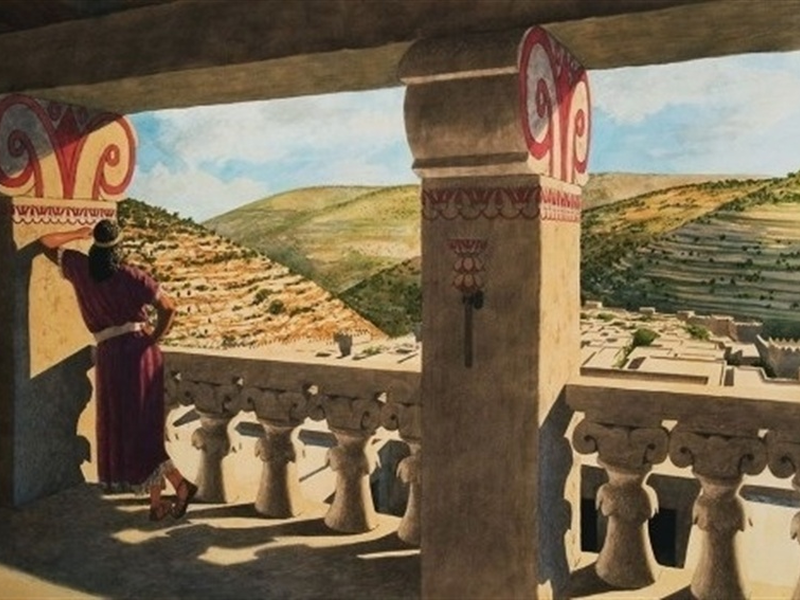
Bathsheba: The Real Story

One of the advantages of paying very close attention to the details in the Bible, especially chronological and genealogical details, is that they can shed light on situations that don’t seem to make much sense apart from them. One such situation is that of Bathsheba. It appears that Bathsheba willingly…

by James B. JordanMarch 28, 1997
jonathan-cooper-ygxq7hfdjzq-unsplash
Church Calendar

Is the Church Year Biblical? | A Parking Lot Parable

Once upon a time, Jeff Meyers and Tony Rollins–old friends who had not seen each other for a few years–met in the parking lot of a neighborhood church. They were dropping off their pre-school children at the church for Mother’s Day Out. They were such conscientious and helpful fathers. As…

by Jeff MeyersMarch 20, 1997
annie-spratt-upxf6to3fea-unsplash
Daniel

The Allegory of Susanna

Years ago, when I was at the briefly-existing Geneva Divinity School, I taught a course in the Apocrypha. One thing that struck me at that time is that two of the stories are almost certainly religious allegories (as well as moral tales): Judith and Susanna. Since "Susanna" means "Lily," this…

by James B. JordanFebruary 28, 1997
serafima-lazarenko-_ivuwprfczi-unsplash
Biblical Horizons

A Blossom of Yahweh’s Field

Peter’s essay inspires me to write up some similar thoughts about the flower of the field. Rightly does Peter associate the almond with Yahweh’s garden, because the Garden of Eden is symbolically positioned as parallel to the Holy Place of the Tabernacle and Temple. To wit: Since Aaron’s rod blossomed…

by James B. JordanFebruary 28, 1997
trnava-university-beeyeib-am8-unsplash
Biblical Chronology

Meredith G. Kline Strikes Back, Part 1

We have had occasion to discuss the views of Meredith G. Kline previously in these newsletters, and now it is time to do so again. Kline teaches at Gordon-Conwell Theological Seminary and also at the Westminster Theological Seminaries (Philadelphia and San Diego). He is the author of some interesting insights…

by James B. JordanFebruary 28, 1997

Showing page 259 of 309

See all

Showing page 24 of 43

See all

At the breast

The Torah never mentions breasts as an object of erotic fascination; they are solely nourishment for infants. In the wisdom literature, things are different. Solomon encourages young men to delight in the breasts of their wives - not of another, a strange woman (Proverbs 5) -, and in the Song…

February 14, 2013

Uncontained beauty

Solomon describes the beauty of his beloved in a neat and symmetrical poem in Song of Songs 7:1-6. Framed by “how beautiful you are” (vv. 1, 6), the poem describes ten features of her body. He starts with her feet and his gaze makes its way up. The ten features…

February 14, 2013
Literature

Books and Covers

The old adage applies in spades to the covers of Pride and Prejudice sampled in the NYTBR . Don’t judge the book by any of these covers, especially the Lady Godiva, the Twilight knock-off, and the “smokin’ bad boy Darcy” ones.

February 14, 2013

Concealed technology

Technology promises to accomplish the same things that have always been done more efficiently. Borgmann is skeptical ( Technology and the Character of Contemporary Life: A Philosophical Inquiry ) (45-46), and he summarizes George Sturt’s The Wheelwright’s Shop (Craftsman) to explain the notion of the “concealment” of technology, the fact…

February 14, 2013

Devices and Machinery

In his Technology and the Character of Contemporary Life: A Philosophical Inquiry , Albert Borgmann makes a crucial distinction between a technical device and its machinery. This is “a specific instance of the means-ends distinction” (43), the machinery being the means by which the device becomes useful to its user.…

February 14, 2013
Uncategorized

Literary Names

Claude Rawson’s review of Alastair Fowler’s Literary Names: Personal Names in English Literature focuses on names used to mock and deride. Swift, for instance, “attached enormous importance to naming and not being named (a characteristic Fowler incidentally identifies with Milton’s fallen angels). Swift scrupulously marked with an ‘X; every reference…

February 14, 2013

Showing page 795 of 2212

Browse by Category

In Medias Res

Your weekly digest for all things Theopolis.

Donate

Theopolis is nearly 100% donor-supported. Consider joining us on our mission.